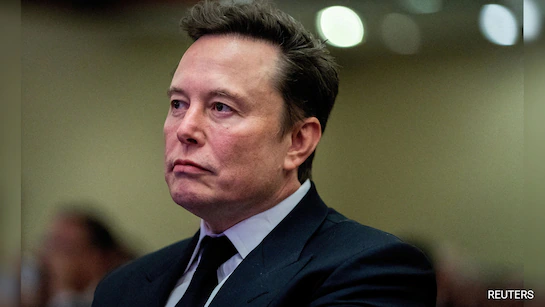
Elon Musk, the CEO of Tesla and SpaceX, has admitted that if he could turn back time, he would not have participated in the Government Efficiency Office (DOGE) established by President Donald Trump’s administration.
Musk’s relationship with the former U.S. President has gone through numerous ups and downs since the billionaire parted ways with the White House.
Six months after stepping down from his position leading the controversial office tasked with cutting government spending, Musk expressed regret about his involvement in DOGE. In a recent interview on “The Katie Miller Podcast,” he revealed that, given the chance, he would not have joined the office. While Musk acknowledged that DOGE did achieve some success in saving taxpayers’ money, he felt the office only made limited progress.
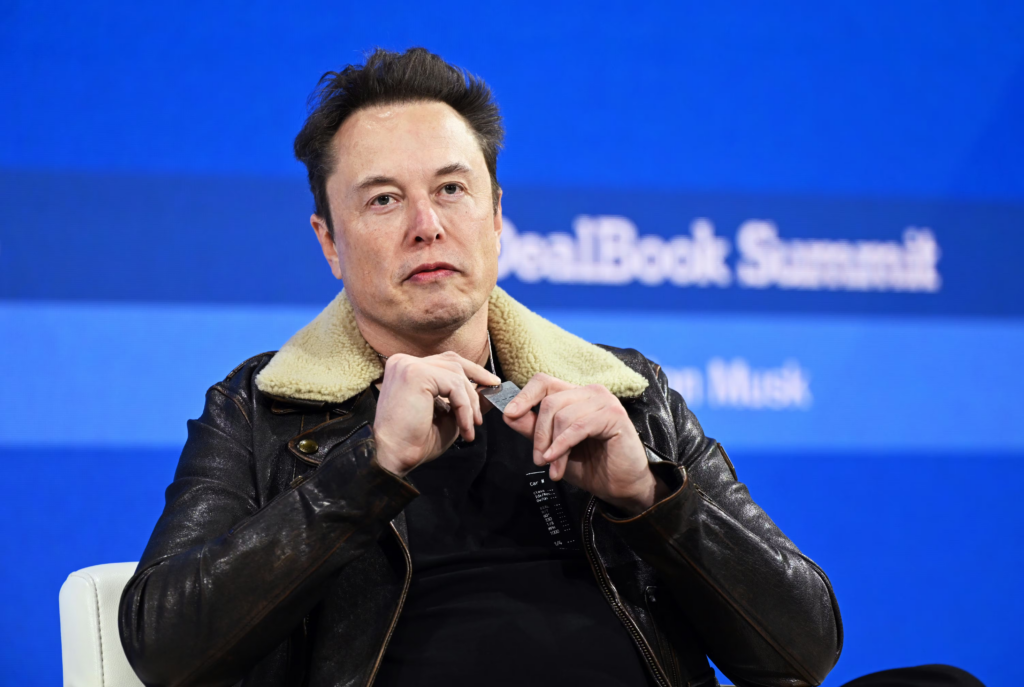
“Despite that, we did achieve some success. The initiative helped stop a number of truly wasteful expenditures,” Musk commented.
However, he added that instead of working at DOGE, he would have preferred to focus on growing his own companies. Reflecting on his time at the office, Musk described the experience as “pretty weird” and almost unbelievable.
“If I hadn’t joined DOGE, maybe the Tesla cars wouldn’t have been torched,” he said, referring to the series of sabotage incidents that occurred at Tesla dealerships shortly after the government’s cost-cutting plan was implemented.
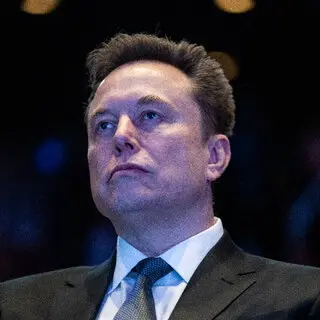
Before leaving the office in April, Musk had estimated that DOGE could save around $2 trillion from the federal budget, later adjusting the forecast to approximately $150 billion by fiscal year 2026. Ultimately, the DOGE office was disbanded in July without any official announcement about the total amount saved.
The DOGE office, named after the popular Doge meme, was created just hours after Trump’s inauguration. Musk, who had donated hundreds of millions of dollars to support Trump’s election campaign, quickly became a regular presence at the White House. Alongside his team at DOGE, Musk worked to scrutinize every branch of the executive, closing programs deemed wasteful and pushing for massive cuts to the federal workforce. For example, the U.S. Agency for International Development (USAID) was completely shut down.
The close bond between Musk and Trump began to unravel after the Tesla CEO left the White House in late May. In a public feud, Musk criticized Trump personally and also slammed his tax policies. In retaliation, Trump threatened to cut federal subsidies for both Tesla and Musk’s rocket company, SpaceX.
Since then, the two have somewhat patched things up, with Musk visiting the White House in November for a dinner with Saudi Arabia’s crown prince.
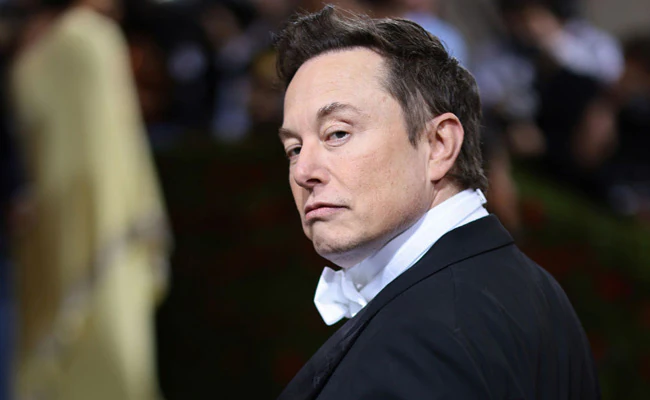
When asked last week if Musk would return to his inner circle, Trump responded, “I really like Elon,” hinting that their fallout was due to disagreements over electric vehicle subsidies. “I think we get along very well,” Trump added.
On his side, Musk praised Trump’s sense of humor. “He’s the funniest person I know,” Musk said during the interview.
In his biography, Elon Musk, author Walter Isaacson dives deep into the complexities of Musk’s personality, providing insights into how he manages multiple businesses like Tesla, SpaceX, and Twitter. The book also touches on the inspiration behind the design of Musk’s Cybertruck, revealing his stubbornness when it came to sticking with its unconventional design—further reflecting the billionaire’s intense and often extreme character.