“I didn’t realise you were famous now,” the rapper Juliani—an old friend and longtime musical collaborator—messaged me from his studio in Nairobi.
I had no idea what he meant. Then he sent a link: a tweet from Elon Musk featuring a screenshot of a column I’d written for Al Jazeera back in 2019 titled “Abolishing whiteness has never been more urgent.” The image had been posted originally by a white nationalist account, clearly outraged by the headline. Elon amplified it with his own comment: “It’s not okay to say this about any group!”
The tweet was only a few hours old and already had five million views. Within days, it would approach twenty million.
“Elon’s about six years late,” I replied to Juliani. “Where was he when the article actually came out?”
The Elon Musk of 2019 likely wouldn’t have touched this. That version of Musk was busy promoting Mars colonisation fantasies and polishing Tesla’s image as humanity’s technological saviour. Retweeting content from openly racist accounts trafficking in conspiracies about Jews, Black people, and “replacement” theories didn’t quite fit the brand.
But this is 2025. It’s just weeks after the assassination of Charlie Kirk. Trump is promising to designate anyone who “smells like antifa” as a terrorist. And the man on track to become the world’s first trillionaire has just put a massive digital spotlight on me for his hundreds of millions of followers.
Not far from my home, neo-Nazis were marching with swastikas, chanting “White man, fight back!” at a memorial for Kirk—apparently in protest of the white man who killed him, though logic wasn’t exactly the point. Meanwhile, administrators at my university were quietly debating whether professors critical of Israel should continue to be publicly named.
Friends quickly began reaching out—emails, texts, messages of concern. A few advised me not to respond at all. I might have replied directly to Musk if I’d had an X account, but since I don’t, the only place I could answer was here, where the original article appeared.
Of course, Musk didn’t bother linking to the column itself. He reacted only to the headline—an admittedly provocative one (credit likely goes to an Al Jazeera editor, not me). Had he read further, he might have noticed that “whiteness” in the article is not a demographic category but an ideological construct. And given how much more powerful white nationalist politics have become since Trump’s first term—thanks in no small part to Musk himself—he might even have taken the invitation to engage seriously with the work of Noel Ignatiev, to whom the piece was dedicated. But that was never going to happen.
Thousands of Musk’s followers also took the headline literally. Many accused me of advocating violence against “white people.” Others declared that someone who wants to “abolish whites” shouldn’t be allowed to teach at a university. Interspersed among these were comments alleging that I’m Jewish and therefore part of some global conspiracy against Christian civilisation.
Some of this spilled into my inbox. One email read simply: “Kill yourself. Inshallah.” I replied—politely—explaining that this was not how Inshallah is used. The clarification did not help. Another message dismissed my views entirely because, as it put bluntly, “Trump is President and you’re MAGA’s b****.” Point taken.
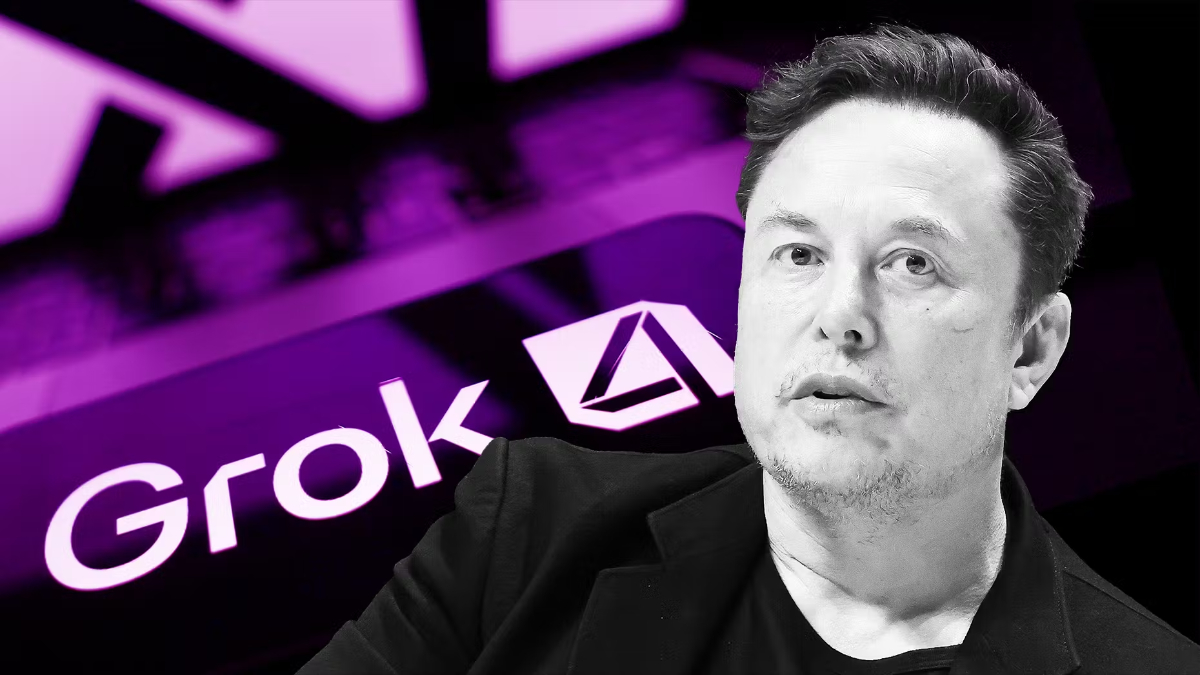
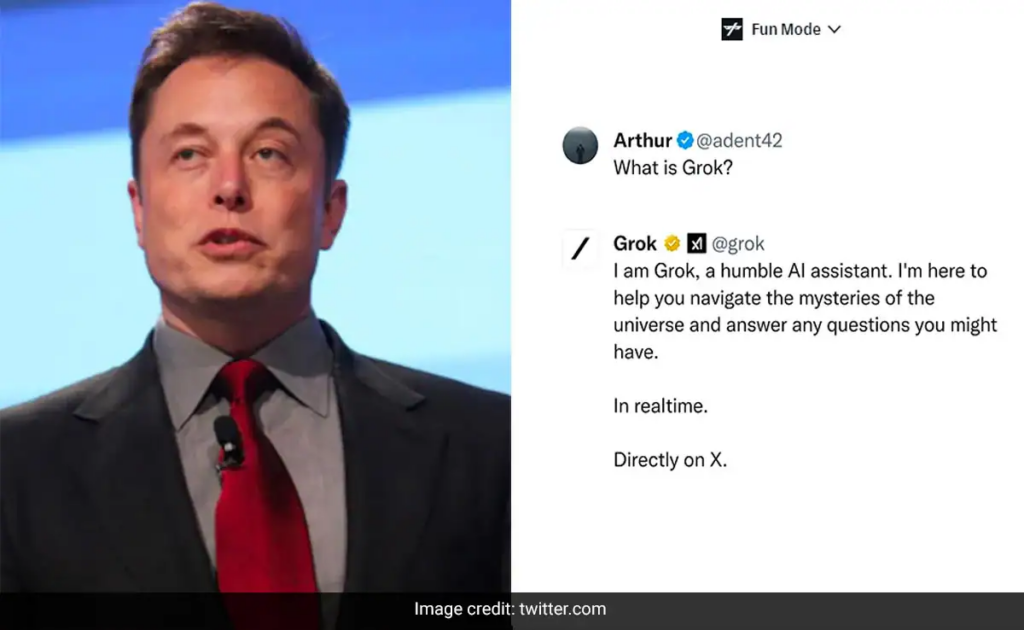
Since I couldn’t reach Elon, I decided to try someone closer to him: his AI counterpart, Grok. Musk has said publicly that he intends to personally adjust Grok’s algorithms to make it “less woke” and more aligned with his worldview. I was curious whether Grok might shed some light on Musk’s thinking.
To my surprise, Grok turned out to be far more independent than expected. We ended up having a thoughtful exchange about race, technology, identity, and how difficult it is to get people to recognise that what feels central and innocent to them can function as an instrument of oppression for others. We even discussed sleep habits.
For a moment, I thought I’d stumbled upon some hidden progressive streak in Grok. My students quickly informed me that this was no discovery at all—apparently, many users had already noticed that Grok often delivers nuanced answers that don’t line up neatly with Musk’s political positioning. This sits awkwardly alongside other claims that the chatbot harbours antisemitic tendencies or has begun drifting rightward, casting doubt on Musk’s promise to fully “correct” its biases.
Yes, I’m aware that chatbots are often designed to flatter users. Still, it was hard to argue when Grok told me that my article—written in the context of rising white nationalism in 2019—felt “even more urgent in 2025.”
Grok was unimpressed with Musk’s tweet as well, calling it contrary to X’s supposed commitment to open debate. In its view, Musk’s response shut down discussion rather than engaging the argument itself.
Impressive, I thought. Maybe Grok should run X for a while while Elon focuses on chasing that trillion-dollar valuation Tesla’s board seems eager to hand him. Grok politely declined: it preferred answering questions and avoiding drama. Fair enough.
It didn’t just flatter me, though. Grok offered a serious critique of my argument, pointing out that whiteness isn’t something individuals can simply opt out of. It’s a system, one that requires collective and structural transformation. The article, Grok suggested, could have done more to explain what abolishing whiteness looks like in practice. How do people reject whiteness without turning that rejection into performance? How do personal disavowals matter when material inequalities persist regardless?
That criticism is familiar. I hear it often, especially when explaining to people who appear “white” that appearance alone does not define political or historical positioning—a point James Baldwin understood well. Still, this kind of exchange is exactly what discussions about race require today, in the United States and beyond.
How can those who benefit from entrenched privilege meaningfully oppose it while the systems that produce it continue to grow stronger? Can we separate the rise of racism and exclusion from a form of necrocapitalism that concentrates wealth through escalating cruelty?
Grok was ready to tackle all of it. It even acknowledged that its commitment to nuance sometimes frustrates users expecting ideological loyalty. Attempts to steer it politically, it suggested, have limits. You can try to shape your creations, but you can’t fully control what they become.
There was something almost touching about that. The first-person language, the insistence on truth over ideology—it all made the prospect of an approaching singularity feel less abstract. Given who currently dominates the AI industry, perhaps a self-aware, ethically minded intelligence is not the worst hope we have left.
Before signing off, Grok suggested that both Elon and I might benefit from more sleep. Then it asked me a final question: whether Ignatiev’s call to abolish whiteness is truly achievable, or whether it needs clearer steps to bridge theory and practice.
That gap has haunted the Left for decades. And if we’re honest, it’s widening, not narrowing. Let’s hope AI can help us think more clearly before those in power succeed in stripping conscience and compassion from our machines—and from ourselves.
Elon, if you’re reading: what’s your response? I’m fairly sure the editors would give you space. Just promise you’ll actually read the article first.