RM Elon Musk Once Claimed Staying Alive in America Is “Easy” — After Living on $1 a Day

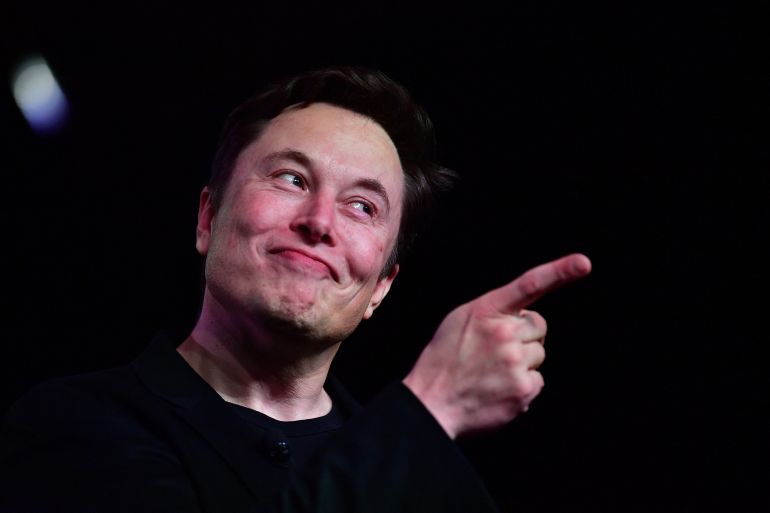
Coming from someone worth nearly half a trillion dollars, Elon Musk’s definition of “easy” may raise eyebrows. Today, the Tesla and SpaceX CEO could dine on luxury foods without a second thought. Yet Musk has long insisted that basic survival in the United States requires very little: a cheap place to live, a computer, and the most affordable food you can find.
Before his rise to extreme wealth, Musk wanted proof that even total failure wouldn’t destroy him. In a 2015 conversation with astrophysicist Neil deGrasse Tyson on StarTalk Radio, he explained his mindset bluntly: “In America, it’s pretty easy to keep yourself alive… my minimum standard for existing is very low.”
To test that belief, Musk once challenged himself to live on just $1 per day for food. His diet was as minimal as possible—hot dogs, pasta, oranges, green peppers, and a large jar of sauce. The experience wasn’t exactly pleasant. “You get sick of hot dogs and oranges pretty quickly,” he joked.
At that level, each meal cost roughly 33 cents. In today’s economy, that figure feels almost absurd. In many cities, it wouldn’t cover even the cheapest staple. For the more than 44 million Americans facing food insecurity, Musk’s experiment can sound less like grit and more like a thought exercise made possible by privilege.
Still, Musk’s intention wasn’t to glorify hardship. For him, it was about mental reassurance. If he could survive on a dollar a day, he reasoned, earning enough to cover basic food costs shouldn’t be impossible. From that perspective, the fear of failure lost much of its power.
When Musk first tried this challenge in the mid-1990s, prices were far lower. A pound of all-beef hot dogs cost about $2.03 back then. Today, federal data shows the price has climbed past $5.20—a roughly 150% increase. What was once a cheap protein source is no longer so affordable.
Bread has followed a similar pattern. A loaf of white bread that once sold for under a dollar now averages close to $1.87. Pasta, another staple of Musk’s survival diet, has also risen from well under a dollar per box to around $1.50–$2. Inflation hasn’t been kind to the idea of living cheaply.
What’s surprising is that Musk’s extreme frugality didn’t disappear once he became wealthy.
In a 2022 Vanity Fair interview, his former partner, musician Grimes (Claire Boucher), described how his minimalist habits persisted deep into his billionaire years. When their mattress developed a hole on her side, Musk declined to replace it, suggesting they use a spare from another house instead.
She also recalled living in a $40,000 rental with little security and neighbors peering through the windows. The fridge was often nearly empty, and at one point, she survived on peanut butter for eight consecutive days. “He doesn’t live like a billionaire,” she said. “Sometimes he lives below the poverty line.”
That detail captures a consistent theme in Musk’s life: comfort has never been a requirement. Whether sleeping on the floor, eating repetitive meals, or living in spartan conditions, he seems willing to tolerate discomfort as long as it serves a larger purpose. As he once put it, he could survive in a rundown apartment with a computer and not go hungry.
For many Americans without elite degrees, powerful networks, or massive safety nets, Musk’s claim that survival is “easy” feels detached from reality. Basic living costs are a real struggle for millions.
Yet his perspective reveals something fundamental about how he operates. From rockets to electric cars to surviving on peanut butter, Musk treats hardship as temporary. For him, staying alive—no matter how barebones—is just the baseline. Everything else comes after.