RM Why P!nk Became a Rock Rebel on Missundaztood — And Why It Had Nothing to Do with Britney Spears

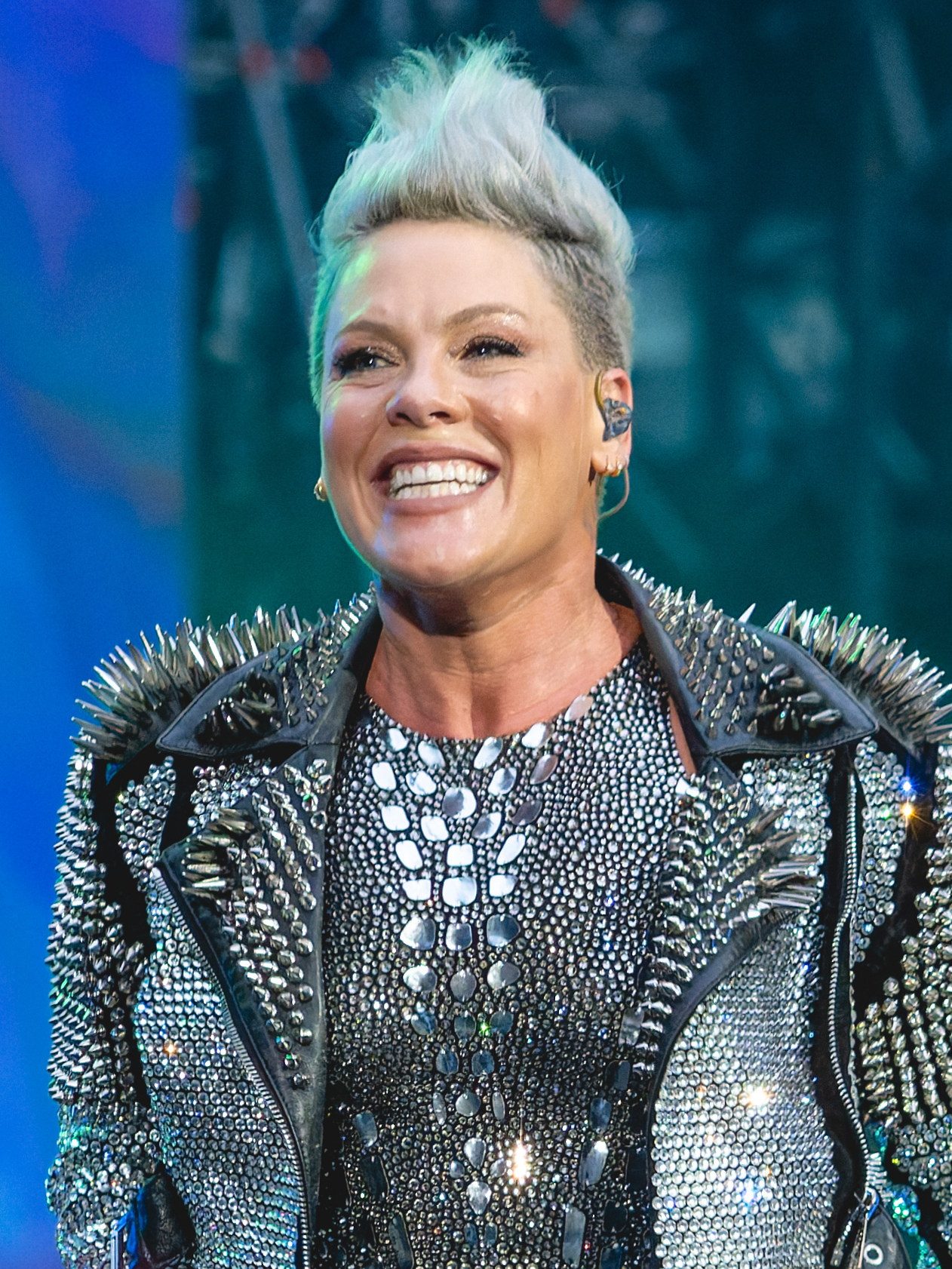
LOS ANGELES — When P!nk (Alecia Beth Moore) burst onto the scene in 2000 with her debut album Can’t Take Me Home, her R&B-leaning sound led the media to lump her in with pop stars like Britney Spears and Christina Aguilera. But just one year later, P!nk shocked the industry. With Missundaztood (2001), she reintroduced herself as a raw, outspoken, and emotionally fearless Pop/Rock artist.
At the time, many dismissed the shift as a calculated rebrand — an attempt to position herself as the “Anti-Britney.” But that narrative missed the point entirely.
The Real Story: Fighting to Be Taken Seriously
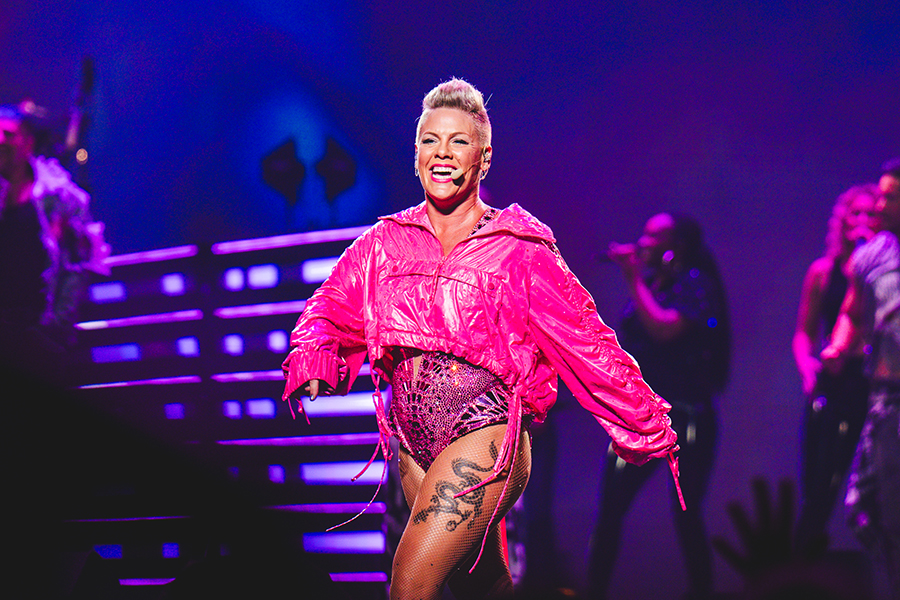
P!nk later made it clear that her transformation was driven by frustration, not competition. She felt trapped by an image that didn’t reflect who she truly was as a musician or songwriter.
Her musical roots were always grounded in rock, punk, and soul. Yet her label, LaFace Records, pushed her toward a polished pop persona designed for mass appeal. P!nk wanted something more honest — music that reflected her past, her flaws, and her emotional struggles.
A Direct Confrontation with the Industry
This reinvention didn’t come easily. It sparked a direct conflict with label executives, especially L.A. Reid.
In a bold and risky move, P!nk secretly contacted Linda Perry, former frontwoman of 4 Non Blondes and one of her personal heroes. Working out of Perry’s home studio in Los Angeles, the two wrote more than 20 deeply personal songs — without label approval.
When P!nk finally played the demos for Reid, the reaction was cold. He feared the new sound would confuse fans and damage her commercial momentum. Much of the material was initially rejected as “unmarketable.”
Even the album’s future lead single, “Get the Party Started,” faced resistance — despite the song nearly going to Madonna. P!nk refused to back down.
Proof That Authenticity Wins
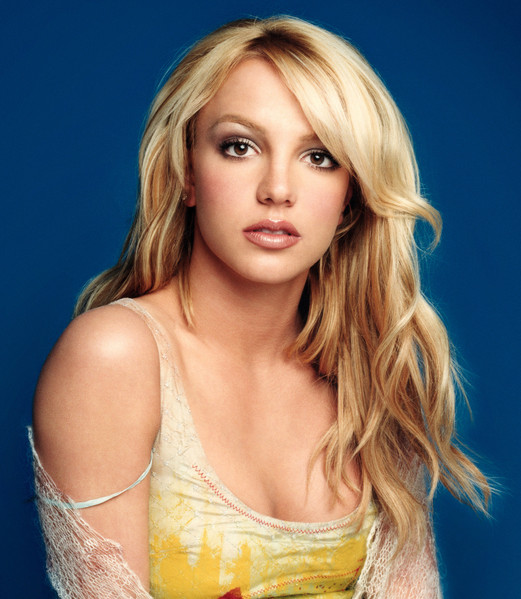
Her determination paid off.
Missundaztood became the defining album of P!nk’s career, selling over 13 million copies worldwide and ranking as the eighth best-selling album of 2002. It shattered doubts and cemented her as a force beyond manufactured pop.
The message was unmistakable in “Don’t Let Me Get Me,” where she openly called out industry pressure:
“LA told me, ‘You’ll be a pop star / All you have to change is everything you are.’”
P!nk’s evolution wasn’t about rebelling against another pop star — it was about reclaiming her voice. Missundaztood stands as a powerful reminder that artistic freedom, when fought for, can change everything.