R1 Elon Musk just drew a clear line in the sky: airlines that fall behind on inflight Wi-Fi risk losing customers. As passenger expectations rise, Musk says poor connectivity is no longer a minor annoyance — it’s a competitive liability.

🚨✈️ ELON MUSK WARNS AIRLINES: FALL BEHIND ON WI-FI, LOSE YOUR CUSTOMERS ⚡📡
For decades, airlines competed on legroom, meals, and ticket prices. But according to Elon Musk, that era is fading fast. In a recent exchange responding to praise for Starlink, Musk delivered a blunt warning: airlines that allow their inflight internet experience to lag behind rivals risk losing passengers altogether.
In today’s skies, connectivity is no longer a luxury.
It’s an expectation.
From “Nice to Have” to Competitive Weapon
Musk’s comments come at a pivotal moment for the airline industry. Passengers no longer board flights prepared to disconnect for hours. Instead, they expect to stream, work, message, and stay connected — even at 35,000 feet. When that expectation isn’t met, frustration follows, and loyalty erodes.
“Poor connectivity,” Musk suggested, isn’t just an inconvenience anymore. It’s a competitive risk.
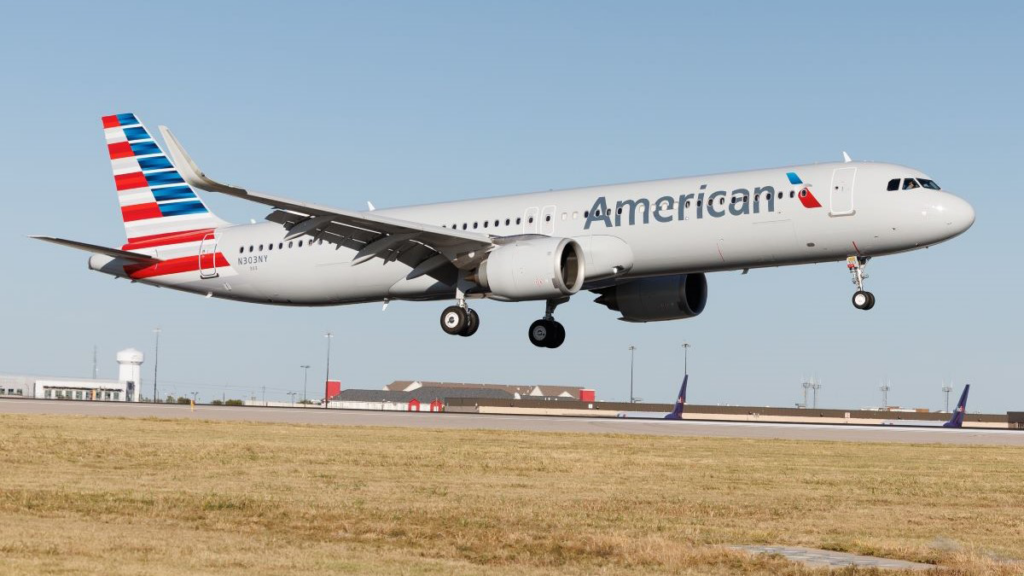
That warning lands directly on the doorstep of American Airlines, which is currently evaluating alternatives to Starlink, including a potential partnership with Amazon’s satellite internet service. The move has sparked debate across aviation and tech circles: is American exploring innovation — or risking a step backward?
The Starlink Argument: Scale Matters
Supporters of Starlink are quick to point to what they see as the decisive advantage: scale.
Starlink operates a vast and rapidly expanding low-Earth-orbit satellite constellation, far larger than most competitors. That density translates to faster speeds, lower latency, and more reliable coverage — especially on long-haul international routes, where traditional inflight Wi-Fi systems often struggle or fail altogether.
For frequent flyers, the difference is noticeable. Reliable Wi-Fi transforms long flights from endurance tests into productive or even enjoyable experiences. And in an era where business travelers and premium customers drive outsized revenue, that experience matters more than ever.
United Airlines Makes Its Bet
While American weighs its options, United Airlines has already made a decisive move. The carrier committed to Starlink, promising fast, free inflight Wi-Fi for loyalty members — a bold pledge that signals how seriously airlines are beginning to treat digital experience.
United’s decision reframes inflight internet not as a paid add-on, but as a core feature tied directly to customer loyalty. In effect, connectivity becomes part of the brand promise.
And that’s where Musk’s warning cuts deepest.
A Broader Shift in Airline Competition
What’s unfolding isn’t just a debate about satellites. It’s a sign of a broader shift in how airlines compete.
In the past, passengers chose airlines based on routes, prices, and alliances. Increasingly, they’re also choosing based on digital experience — from mobile apps and real-time updates to seamless, reliable inflight connectivity.
Airlines that fail to meet these expectations risk feeling outdated, even if their fleets are modern and their pricing competitive. In contrast, carriers that deliver strong connectivity can differentiate themselves in crowded markets where traditional advantages are harder to sustain.
Why Musk’s Warning Matters
Elon Musk isn’t an airline executive — but he understands platforms, ecosystems, and customer behavior. His warning isn’t about Starlink alone. It’s about where consumer expectations are heading, and how unforgiving modern customers can be when technology falls short.
Passengers may tolerate turbulence.
They may tolerate delays.
But increasingly, they won’t tolerate being digitally cut off.
As airlines chart their future partnerships and technology strategies, Musk’s message is clear: connectivity is no longer optional. It’s a battleground.