When Elon Musk bought Twitter, the tech world was buzzing with questions. Some were curious about his grand plans for the platform, while others were skeptical about his ability to turn it into a profitable venture. And then, of course, there were those who questioned whether this acquisition was a spur-of-the-moment decision, like buying a Peloton on a whim for Christmas—was it a well-thought-out business move, or just another of Musk’s eccentric impulses?
Now that Musk is in charge, the situation has only become more confusing. If you’re one of the thousands of Twitter employees, the big question on everyone’s mind is: What’s next?
In the short term, it seems like Twitter is already undergoing a massive transformation. Thousands of employees have been laid off, some are being reassigned, and others are simply walking away. And while it might be easy to chalk it up to Musk’s usual way of doing things, the reality is that Twitter is facing a future that feels more uncertain than ever before.
The Employee Purge: A New Norm Under Elon Musk?
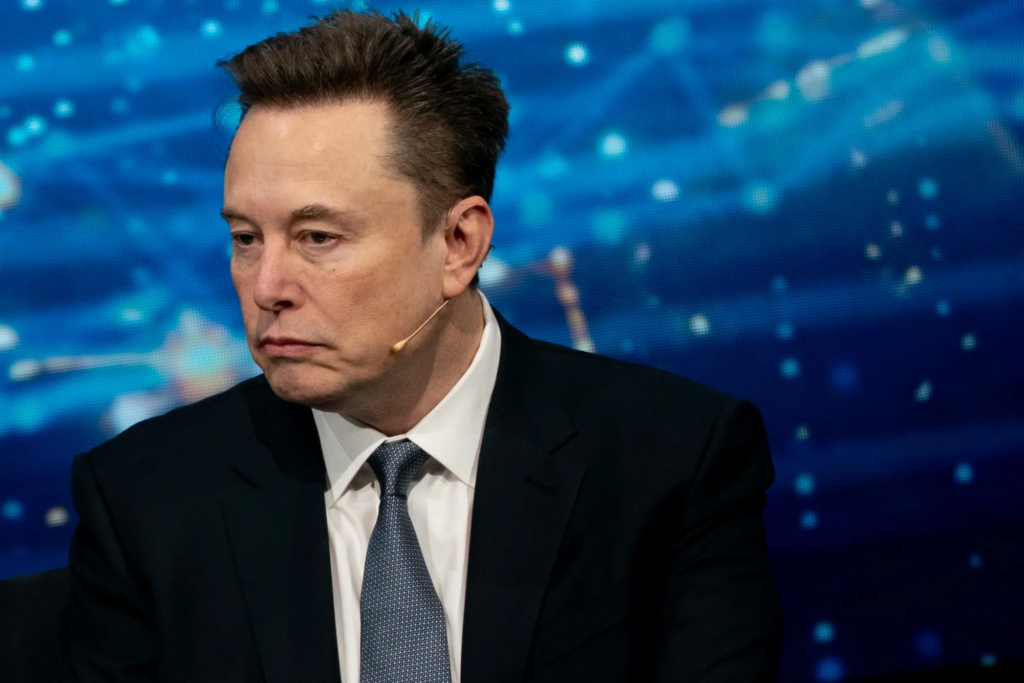
At its peak, Twitter had over 5,500 employees—a pretty hefty workforce for a social media company. But now, with Musk in charge, that number has shrunk significantly. Layoffs have become almost a daily occurrence, with many employees finding themselves out of a job almost overnight.
If we take a look at how Musk has handled employees in his other ventures, especially at SpaceX, we can get a clearer picture of what might be in store for the workers at Twitter.
Musk has always been known for his hands-on approach, and when it comes to his companies, he runs them with a certain intensity that can be both inspiring and, at times, ruthless. Musk has publicly expressed his belief that there are too many MBAs running America’s businesses, which could explain why his leadership style often goes against the grain. He values direct action and results over bureaucracy and traditional corporate structures, something that makes sense when you look at his track record at Tesla and SpaceX.
At SpaceX, he’s infamous for taking a very personal role in recruitment. Rumor has it that he personally interviews every single new hire, and he’s been known to ask them one simple but revealing question: “What’s the story of your life?”
What’s the Story of Your Life?
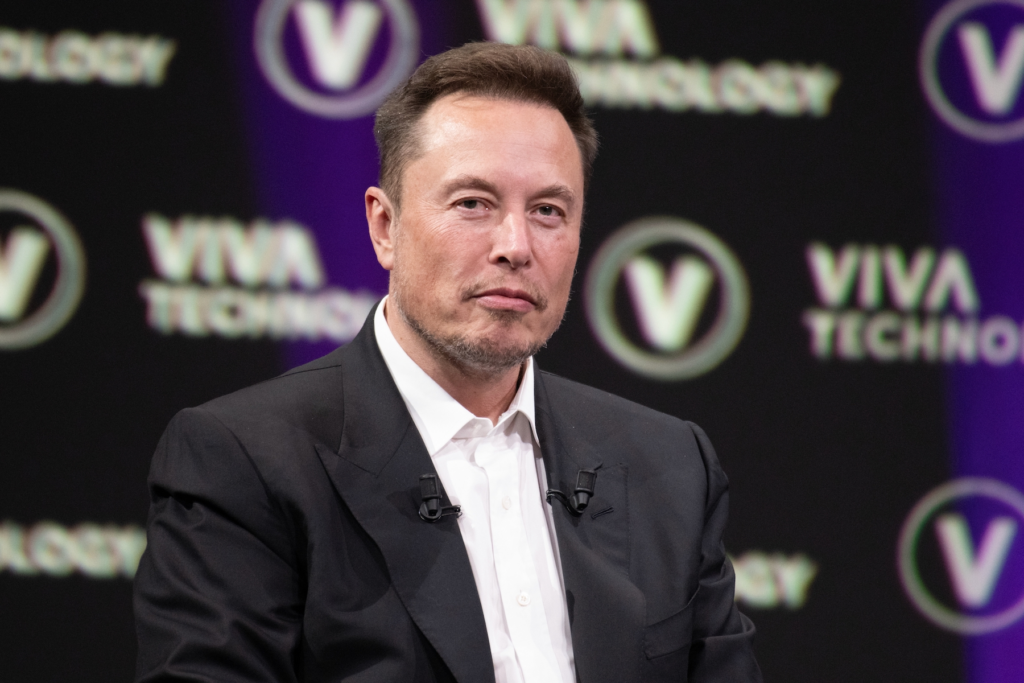
While this question might sound like something out of a cheesy 90s melodrama, Musk believes it’s one of the best ways to assess someone’s character. According to him, the response helps him understand whether a person is being truthful and whether they have the depth and authenticity to thrive in the high-pressure environment at SpaceX. In Musk’s world, it’s not just about what’s on a resume—it’s about who a person really is and whether they can handle the kind of pressure that comes with working for a company like SpaceX.
So, will Musk take this same approach when it comes to Twitter’s employees? It wouldn’t be surprising. Given how much he values directness and passion, it’s likely that he’ll want to get to know each remaining employee on a personal level, assessing whether they align with his vision for the future of the platform.
But that doesn’t necessarily mean things will be smooth sailing. If Musk’s past behavior is any indicator, he’ll likely continue to push for dramatic changes, regardless of the consequences for his employees. And, of course, there’s always the looming threat of more layoffs—especially if an employee doesn’t meet Musk’s standards or isn’t deemed essential to the company’s future vision.
The Bigger Picture: Twitter’s Future Under Elon Musk
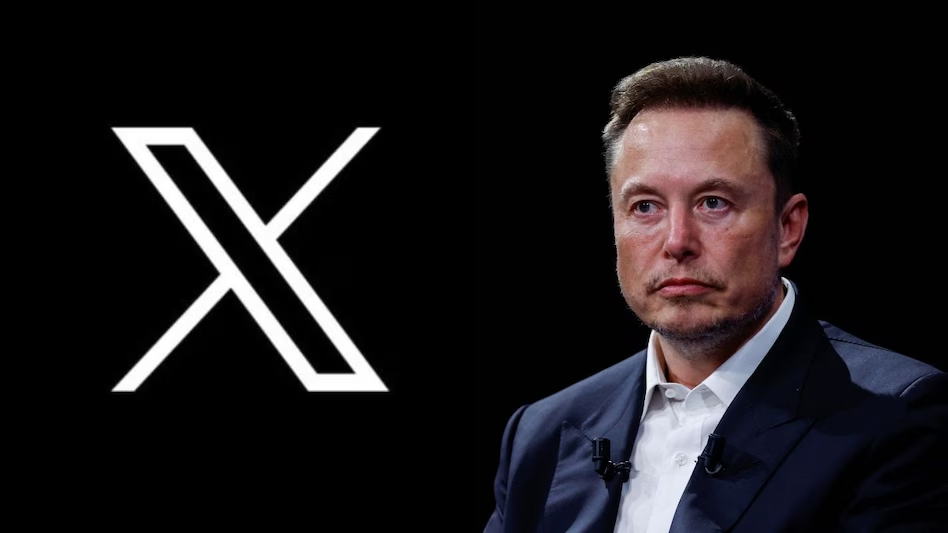
While the employee purge at Twitter has gotten the most attention, there are still some fundamental questions that Musk has yet to answer. The biggest of these is: Can Twitter actually make money under Musk’s leadership?
On one hand, Musk has a proven track record of turning companies like Tesla and SpaceX into multi-billion-dollar ventures. But the social media landscape is different from the car industry or aerospace, and Twitter’s long-standing issues with monetization have been a thorn in its side for years.
Musk seems to believe that his unconventional approach to business, along with his direct involvement, will fix Twitter’s financial troubles. But there are still doubts. Some analysts believe the platform could end up being more of a hobby project for Musk than a serious business venture. After all, if Twitter doesn’t work out, Musk can always fall back on Tesla or SpaceX, right?
But for those working at Twitter, the stakes are much higher. If Musk is able to stabilize Twitter, there could be huge rewards for both the platform and its employees. However, if the platform struggles, Musk’s penchant for high-risk, high-reward ventures might leave employees on the chopping block, just like what’s been happening in the last few months.
Is It All Just an Impulse Buy?
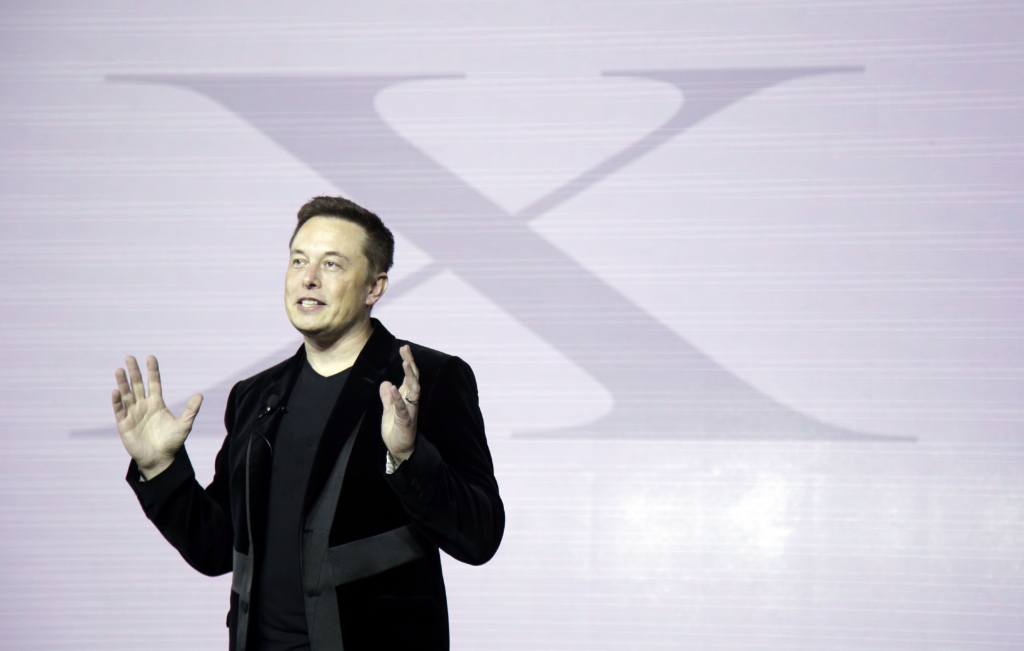
There’s one more question that’s been circulating in the media: Was Elon’s purchase of Twitter an impulsive decision?
Some critics argue that Musk didn’t fully consider the challenges that come with running a social media company. While his decision to buy Twitter may have seemed strategic in the moment, it’s possible that the reality of managing such a massive platform is starting to hit him.
Let’s face it—Musk is no stranger to controversy and risk-taking. Whether it’s launching a car into space or making unpredictable decisions on social media, he’s always been someone who embraces risk. But running Twitter involves navigating complex issues like content moderation, user privacy, and advertising revenue—none of which are as simple as launching a new rocket or selling electric cars.
Conclusion: The Future Is Uncertain
The future of Twitter under Elon Musk’s leadership is still up in the air. What is clear, however, is that the platform—and the people working there—are facing a period of intense change. Musk’s leadership style is unorthodox, and his willingness to shake things up at all costs may mean more layoffs and restructures for the company.
At the same time, Musk’s track record in transforming his other companies into successful ventures shows that he might be able to turn Twitter around, but only time will tell if he can make the social media giant profitable again.
For now, the fate of Twitter—and its employees—seems to hang in the balance, with Musk steering the ship through turbulent waters. As he continues to purge the workforce, bring in new faces, and reshape the platform to fit his vision, only one thing is certain: things will never be the same.