RM The End of an Era at Arrowhead: What the Kansas City Chiefs’ Potential Move Means for Fans

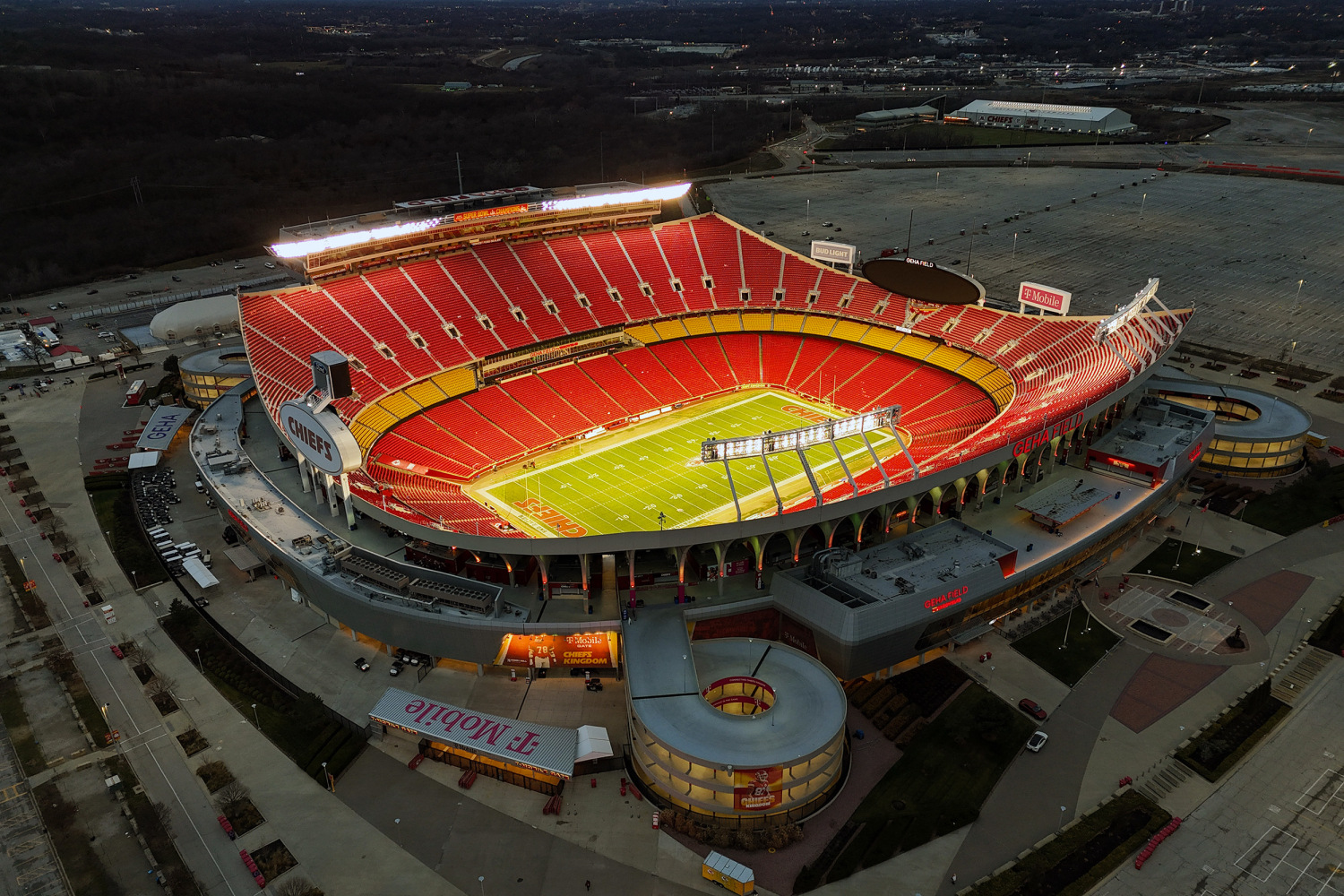
For over 50 years, Arrowhead Stadium has been the heart and soul of Kansas City, its iconic red-clad crowd fueling the Chiefs’ success and passion. But now, a monumental shift is on the horizon. Reports have emerged suggesting that the Kansas City Chiefs may be preparing to leave their historic home in Jackson County, Missouri, for a new chapter across state lines in Kansas. This isn’t just a potential move—it’s a reimagining of the team’s future.
The driving force behind this sudden shift seems to be an upcoming meeting in Topeka, where Chiefs officials are expected to discuss finalizing a deal with Kansas leaders. This deal could see the Chiefs relocate to the Legends area, near the Kansas Speedway and Hollywood Casino. While the Kansas City Royals are not currently part of this specific discussion, the focus is clear: the Chiefs are planning a $3 billion state-of-the-art domed stadium in Kansas, which could dramatically change the landscape of the franchise.

To fully grasp the significance of this move, we need to look at the history behind it. For the past three years, the future of Arrowhead has been up in the air. In early 2024, voters in Jackson County rejected a proposed tax measure designed to fund renovations for Arrowhead Stadium and a new stadium for the Royals. This defeat exposed deep fractures in local leadership and communication. The Royals were criticized for their lack of a concrete plan, while Chiefs management struggled to convince residents that investing in stadium upgrades would benefit the community.
Local officials, including Mayor Quinton Lucas, now find themselves under scrutiny. Despite Lucas’ statements that Missouri is still “working toward an arrangement,” many insiders feel that the opportunity to secure the Chiefs’ future was missed. Meanwhile, Kansas has been quick to recognize the potential for a $3 billion investment in a domed stadium. The advantages of a dome go far beyond just football—bringing in events like the Final Four, year-round concerts, and the Super Bowl could transform the region economically. For the Hunt family and team president Mark Donovan, the financial benefits of this move are hard to ignore, even if it means leaving behind the nostalgic, open-air Arrowhead.
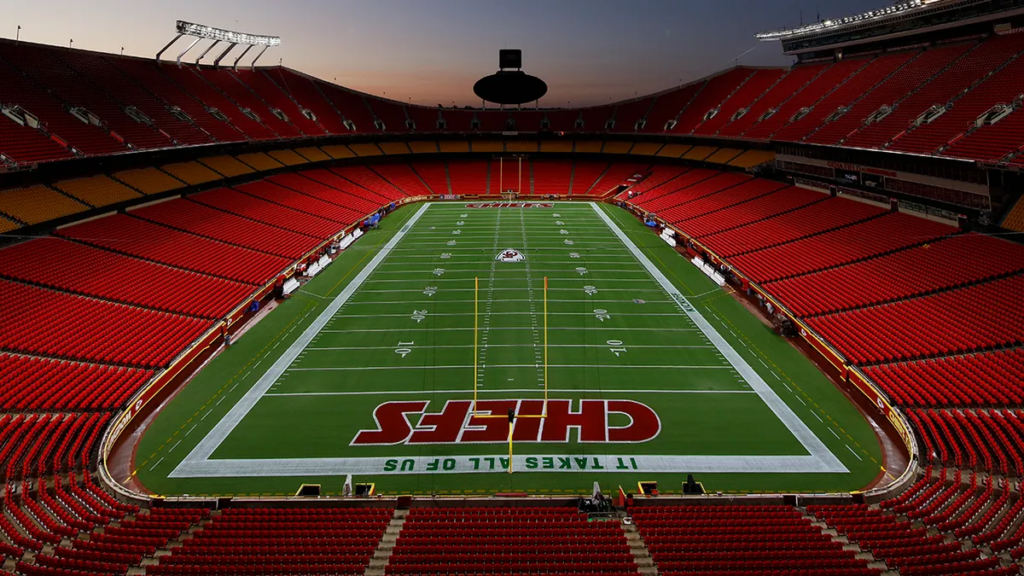
For fans, the news is bittersweet. Arrowhead isn’t just a stadium—it’s a symbol of the Chiefs’ identity. It’s where generations of fans have gathered to cheer, where legendary moments have unfolded, and where the noise of the crowd has set records. The idea of leaving this historic place behind is heartbreaking for many, especially those who have shared family traditions tied to Arrowhead.
However, there is also a growing segment of “Chiefs Kingdom” that sees the potential upsides of the move. If the alternative is the Chiefs relocating to a completely new market—like Nashville or San Antonio—the choice becomes clear. The “Kansas City” identity transcends state lines, and whether the team plays in Missouri or Kansas, it’s still our team. Plus, the development opportunities in the Legends area could offer a more vibrant, modern game day experience with more hotels, restaurants, and entertainment venues within reach. This could elevate the Chiefs into the league of NFL franchises like the Dallas Cowboys or Las Vegas Raiders, who are known for their expansive, high-tech stadiums and surrounding attractions.

The transition, if confirmed, will take time. Even if an official announcement is made soon, the new stadium likely won’t be ready for another five to six years. Fans will have time to bid farewell to Arrowhead and adapt to this new chapter. During this period, it will be up to Kansas to prove that they can preserve the legendary atmosphere that made Arrowhead such a feared and revered venue in the NFL.
Ultimately, this move represents more than just a debate over location. It’s a reflection of the changing economics of sports and the evolution of the NFL. The Chiefs are at the peak of their success, with a generational talent in Patrick Mahomes leading the way. The organization knows that there is no better moment to secure their financial future and build a stadium that can support their success for the next 50 years. While local politicians may argue over blame, the fans are left to consider a future where the red and gold fly over a different skyline. It’s the end of an era, but it could also be the beginning of a new dynasty that ensures the Chiefs remain the pride of the Midwest for generations to come.