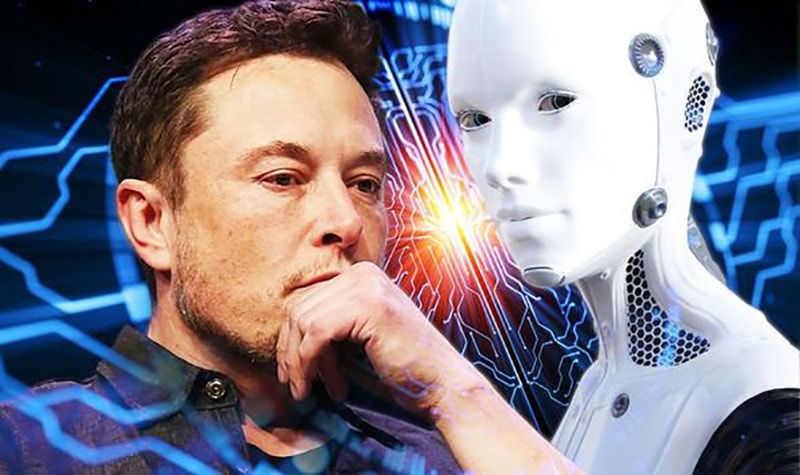
Elon Musk, a man known for his whirlwind personality, made waves again in 2025, but not for the reasons most anticipated. By the end of 2024, it seemed as though Musk’s influence, fueled by his support of Donald Trump, had elevated him to the role of the world’s most powerful unelected figure. However, 2025 saw his rise fall almost as rapidly as it had begun. In June, Musk’s empire was rocked when he made a controversial post on X (formerly Twitter), suggesting that the US President was mentioned in government files related to convicted sex offender Jeffrey Epstein.
In the brief but tumultuous span of just six months, Musk left an indelible mark on both the tech world and US politics. His influence led to massive disruptions, including tens of thousands of government jobs lost, the compromise of highly sensitive data, and the destabilization of agencies like USAid. Many of these wounds may never fully heal.
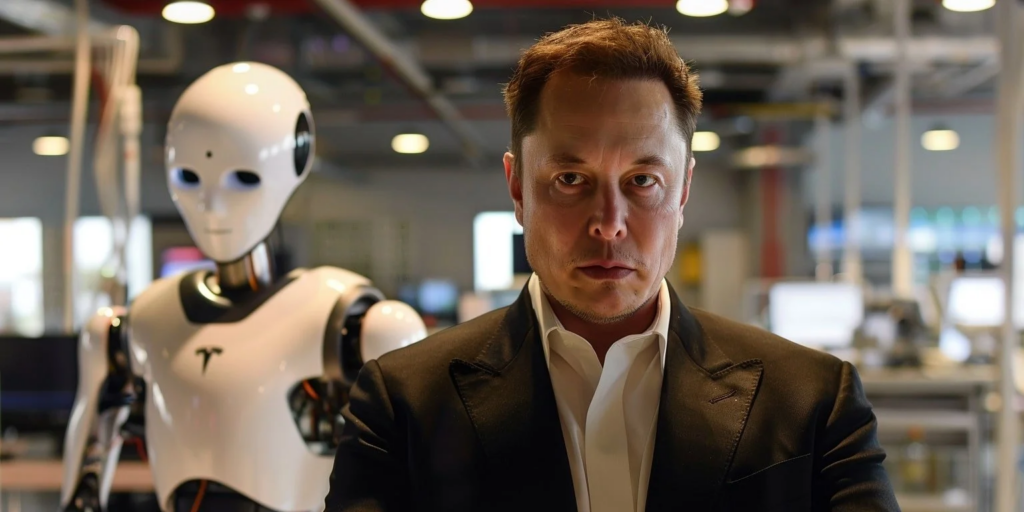
After the collapse of Dogecoin, Musk tried to shift his focus back to his businesses, but 2025 presented a mix of triumphs and failures for him. SpaceX, his rocket company, continued to thrive, positioning itself for a potential IPO in 2026, with expectations to become the most valuable private company in the world. However, Tesla, Musk’s electric vehicle giant, faced fierce opposition. Chinese competitors emerged with cheaper, more advanced electric cars, leaving Tesla struggling with stagnation and a global sales decline.
Tesla’s Trouble and Musk’s Impact on US Government
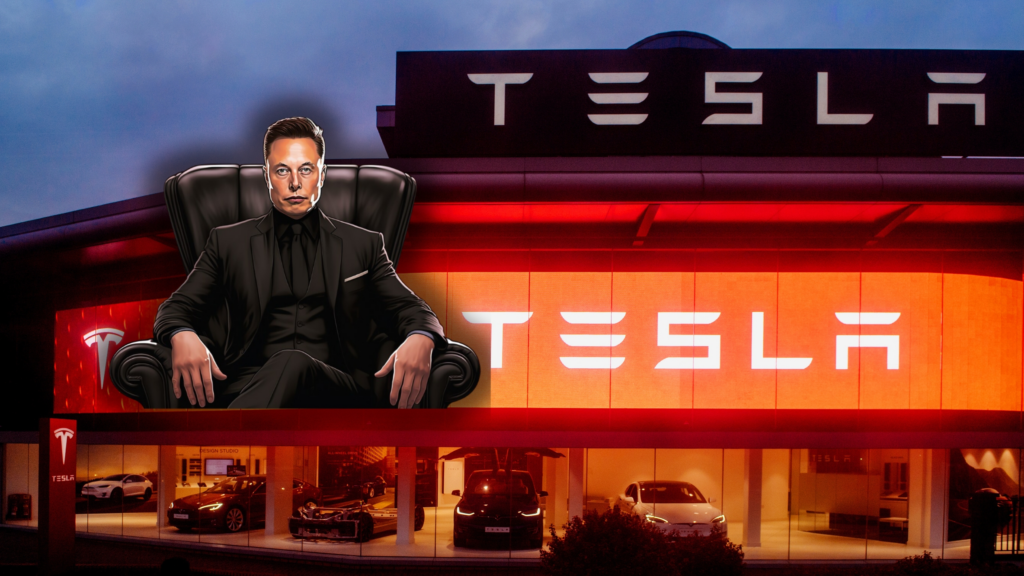
- Backlash Against Tesla: The backlash against Tesla intensified in 2025, partly due to Musk’s outspoken political views, which alienated many consumers and investors alike.
- Government Chaos: Musk’s foray into politics also brought massive instability to the US government. Musk had launched the “Department of Government Efficiency,” a controversial initiative aimed at slashing wasteful spending, but it led to the cutting of key government departments, including USAid.
AI: A Global Force
Artificial intelligence surged to the forefront of the tech world in 2025, surpassing even the most ambitious projections. The “Magnificent Seven” tech giants—Apple, Amazon, Google, Microsoft, Meta, Nvidia, and Tesla—poured billions into AI development, betting that this technology would soon take over much of human labor. This investment boom not only fueled the US economy but also sparked concerns about a potential financial bubble, with fears of a looming crash. As the US and China entered a new cold war of sorts over AI supremacy, startup companies in both countries scrambled to make breakthroughs that would give them the upper hand. Governments worldwide now find themselves in the tough position of deciding how to regulate such powerful technology.
The Age of Datacenters
At the heart of the AI boom in 2025 were the massive datacenters that began to spring up all over the globe. These facilities, housing millions of semiconductors and AI-processing chips, became the backbone of the new AI-driven world. Local governments, eager for the tax revenues these facilities promised, welcomed the datacenters with open arms. However, environmentalists and community members voiced growing concerns about their environmental impact, particularly in relation to the resources they consumed—land, electricity, and water.
As tens of billions of dollars flowed into the creation of these datacenters, the physical landscape of the planet was drastically reshaped. The race for datacenter space and resources was on, and the future of AI development seemed increasingly tied to the expansion of these colossal facilities.
Looking Ahead
As 2025 draws to a close, the impact of Musk’s influence, both on the tech industry and global politics, is undeniable. While SpaceX’s IPO is just around the corner, the future of Tesla looks uncertain. Meanwhile, AI continues to evolve at a breakneck pace, with datacenters and semiconductor chips fueling its growth. As the world enters 2026, it’s clear that the tech landscape has been permanently altered, and the decisions made in this transformative year will shape the coming decades.