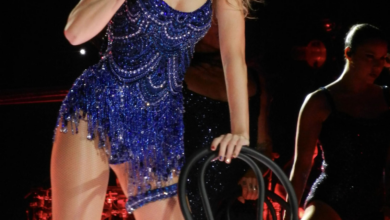
RM “I Am Not Your Puppet”: P!nk’s Defiant Rebellion Against L.A. Reid’s ‘Good Girl’ Image That Launched an Unstoppable Empire

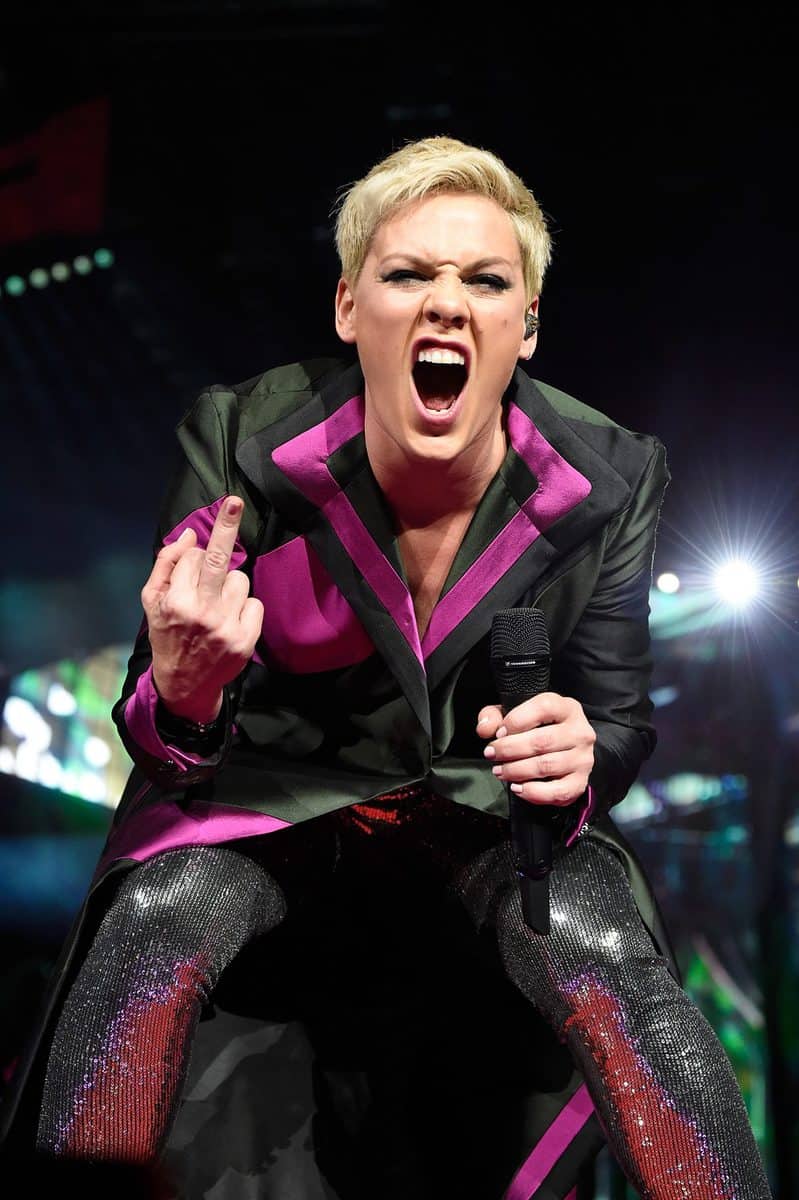
In the early 2000s, the music industry was notorious for turning young artists into cookie-cutter pop stars, ready to be packaged and sold to the masses. Alecia Moore, better known as P!nk, was supposed to be just another success story in that machine.
Having gained attention with her debut album Can’t Take Me Home, P!nk was initially positioned as the next big R&B sensation. Her label, headed by the legendary L.A. Reid, saw her potential as a white girl with a soulful voice who could compete with the likes of TLC and Destiny’s Child. The plan was clear: make her the next pop princess, complete with bright smiles, dance routines, and radio-friendly tracks.
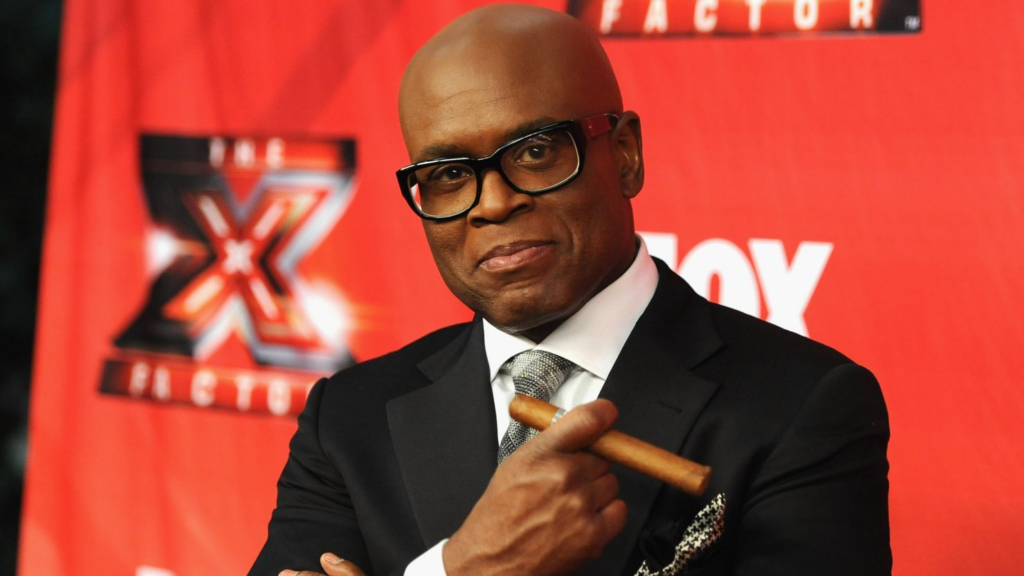
But P!nk had a different vision. The polished, “good girl” image they wanted her to adopt didn’t sit well with her. Instead of just going along with it, she made a bold decision that would change everything.
The “Good Girl” Ultimatum
The turning point came when it was time for P!nk to record her second album. L.A. Reid and the Arista Records team had a very specific direction for her: more R&B hits, more pop appeal, and more of what had already worked. P!nk, however, had had enough of pretending.
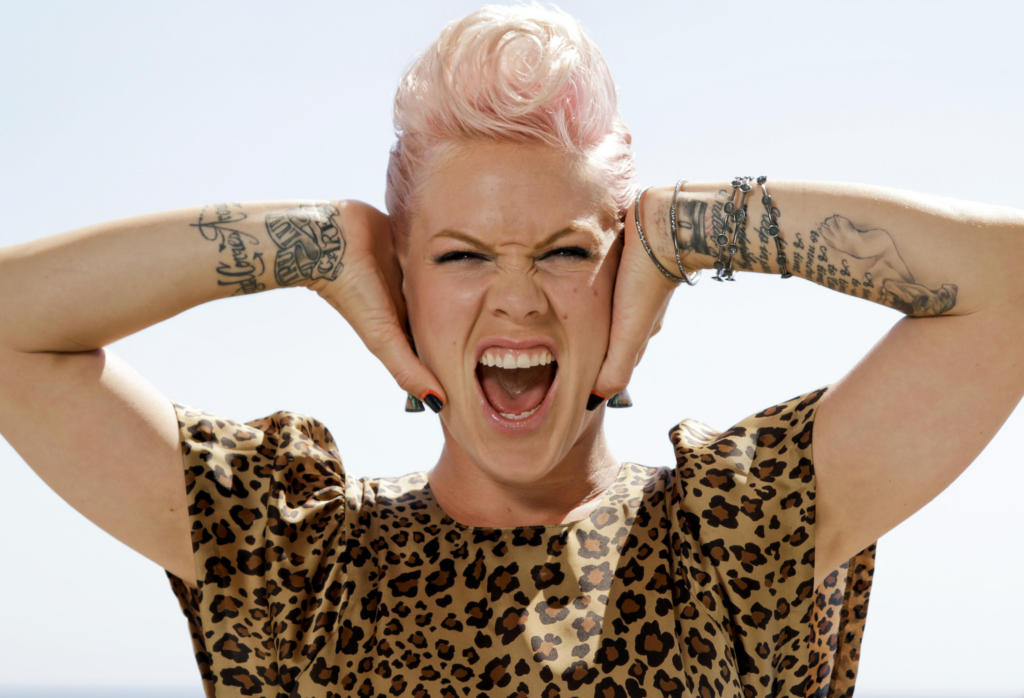
She wanted to create music that reflected her true self—raw, rock-inspired, and honest. The idea of being packaged as the “perfect” girl for mainstream radio felt suffocating. She wasn’t interested in being a “good girl”; she wanted to embrace the rebellious, misunderstood artist she was.
The tension between P!nk and her label grew. The message from Arista was clear: stick to the formula, or risk everything. Defying a mogul like L.A. Reid could very well mean the end of her career. It was a gamble—one that would take a lot of guts to face.
The Bold Rebellion
Instead of backing down, P!nk chose to go against the grain. In a move that shocked her team, she reached out to one of her idols, Linda Perry, the lead singer of 4 Non Blondes. P!nk left a message on Perry’s answering machine, desperately asking for help in finding her authentic voice.
Perry returned the call, and the two locked themselves away in a studio, away from the controlling eyes of the label. What they produced wasn’t just an album; it was a statement of defiance. M!ssundaztood became more than just a shift in musical style—it was a declaration of independence from the industry’s expectations.
The Song That Took a Shot at L.A. Reid
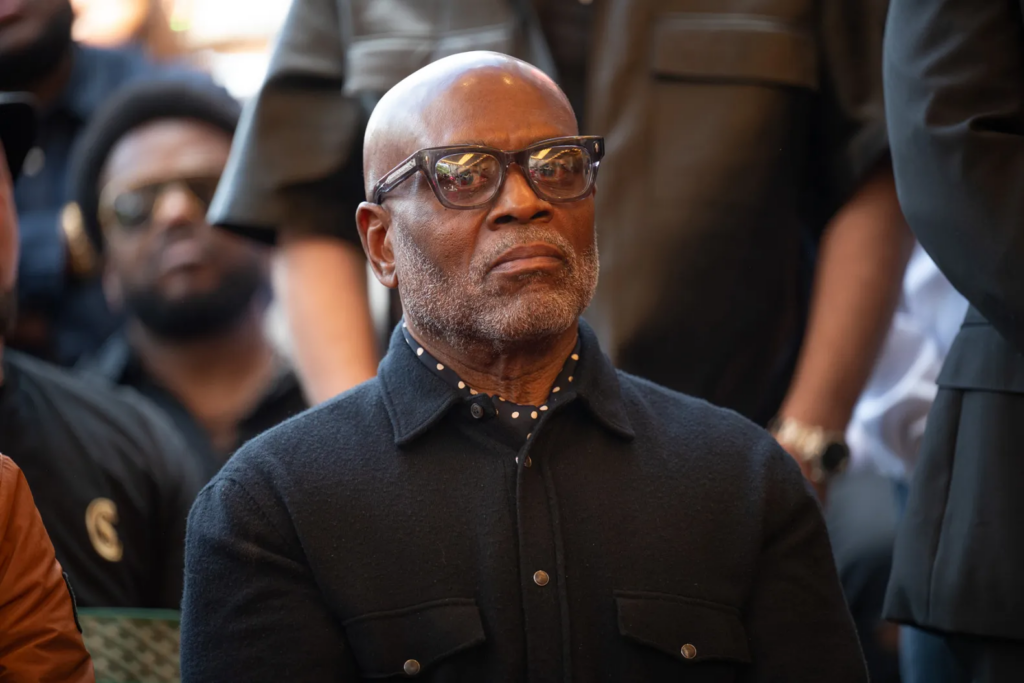
One of the most audacious acts of rebellion came in the form of P!nk’s hit single “Don’t Let Me Get Me.” In the song’s lyrics, she directly called out L.A. Reid, exposing the tension between them for the world to hear.
“L.A. told me, ‘You’ll be a pop star / All you have to change is everything you are.’ / Tired of being compared to damn Britney Spears / She’s so pretty, that just ain’t me.”
This was a risky move. By publicly airing her grievances, P!nk was essentially biting the hand that fed her. When she played the album for Reid, he was reportedly taken aback. This wasn’t the polished pop star he had signed; this was a punk rock rebel with a chip on her shoulder.
Reid could’ve easily shelved the album or dropped her altogether. But P!nk had already taken a huge gamble by betting on herself—and the world was about to find out whether it would pay off.
The Unexpected Triumph
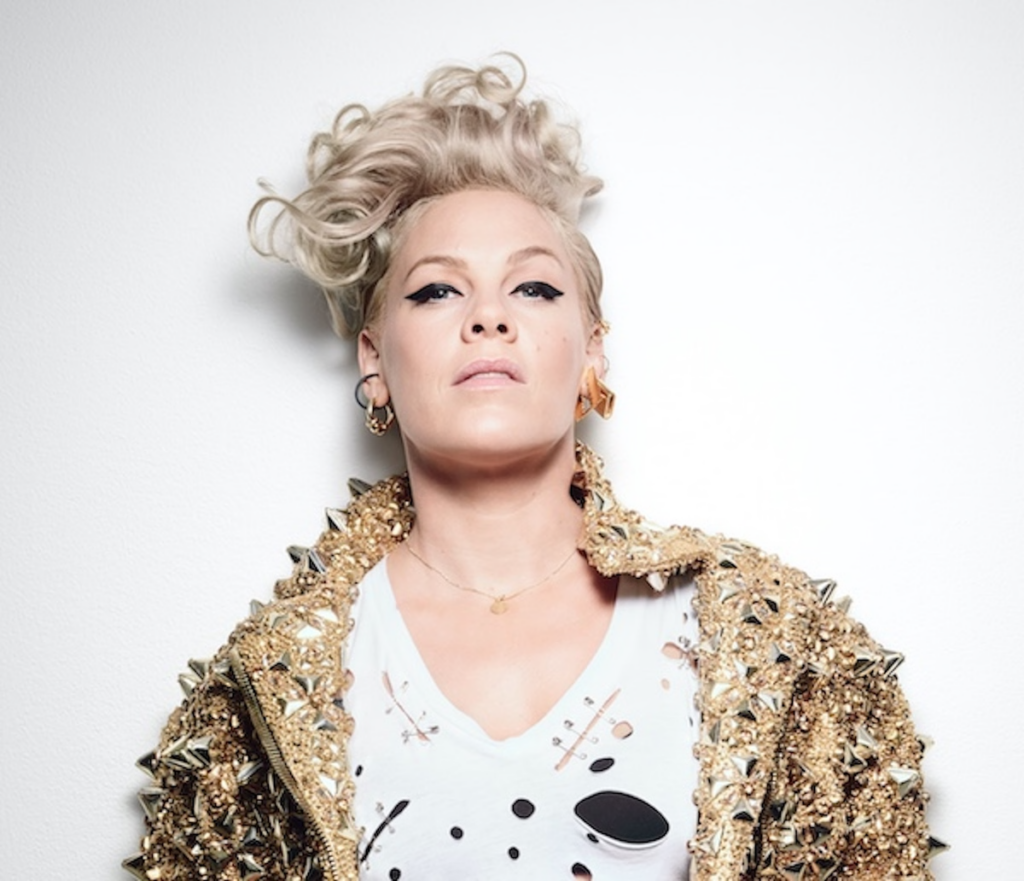
When M!ssundaztood dropped in 2001, the industry wasn’t sure what to expect. Many predicted it would be a commercial failure. Instead, the album exploded.
It sold over 13 million copies globally, far outstripping the sales of her debut album. Fans gravitated toward P!nk’s raw authenticity. They didn’t want another flawless pop star; they wanted someone real, someone who wasn’t afraid to show her flaws, someone like P!nk.
Even L.A. Reid, despite his initial shock, had to admit he was wrong. The success of the album forced the entire industry to rethink its approach to female artists. P!nk proved that a woman didn’t have to conform to a “good girl” image to succeed. She could be loud, messy, and unapologetically herself—and still be a superstar.
A Legacy of Rebellion
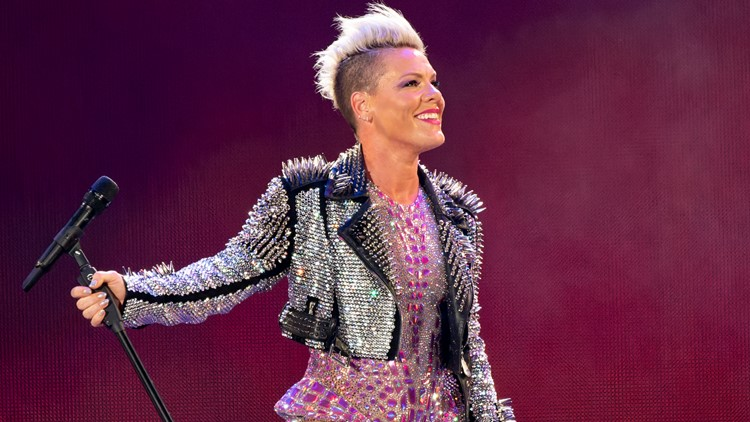
Today, P!nk stands as an icon, filling arenas worldwide with her powerful performances and fearless attitude. But none of it would have been possible if she had given in to the expectations of the label back in 2001.
Her empire wasn’t built by saying “yes” to the industry’s demands; it was forged by shouting “NO” and doing things her own way. Her story is a testament to the power of authenticity and the importance of standing your ground in the face of pressure.
P!nk’s rebellion serves as a timeless reminder for artists and fans alike: when the world tells you to change to fit in, don’t just walk away—create something that shows who you really are. Burn the bridge if you have to. Make your own path, and build your own empire.
P!nk was never meant to be anyone’s puppet. She was always meant to be the one pulling the strings.