RM Elon Musk Concerned as Silver Prices Surge Ahead of China’s New Export Restrictions


Tesla CEO Elon Musk has voiced his concerns about the skyrocketing silver prices, especially with China’s upcoming export regulations set to take effect. Musk took to the microblogging platform X (formerly known as Twitter), commenting, “This is not good. Silver is crucial for many industrial processes.” His comment came in response to a post highlighting the sharp rise in silver prices due to what many are calling a “severe global supply shortage.”
On December 26, silver prices reached an all-time high of $78.65 per ounce. A user on X, known as ‘Bull Theory’, shared a post attempting to explain the reasons behind this surge. The post outlined several key factors contributing to the dramatic price increases:
1. China’s New Export Regulations
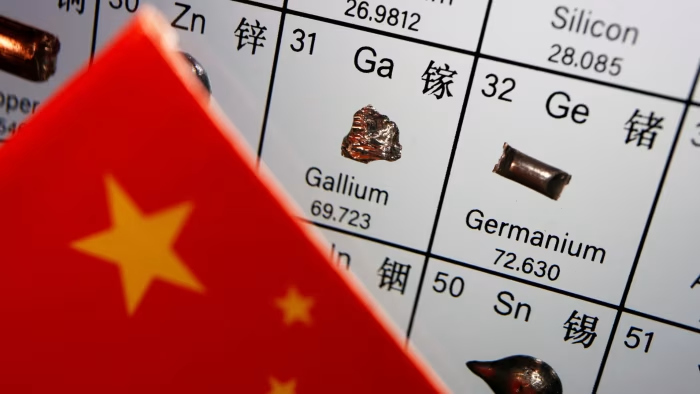
Starting January 1, 2026, China will impose new restrictions on its silver exports. To export silver, companies will now need government licenses, and only large, state-approved firms will qualify. These firms must meet stringent requirements, including producing at least 80 tonnes of silver annually and having $30 million in credit lines. This move effectively blocks smaller and medium-sized exporters from accessing the market. China controls approximately 60-70% of the world’s silver supply, so any restrictions on its exports will directly impact global availability.
This tactic is similar to what China did with rare earth metals in the past, where they limited exports to strengthen their own market position.
2. Ongoing Silver Supply Shortage
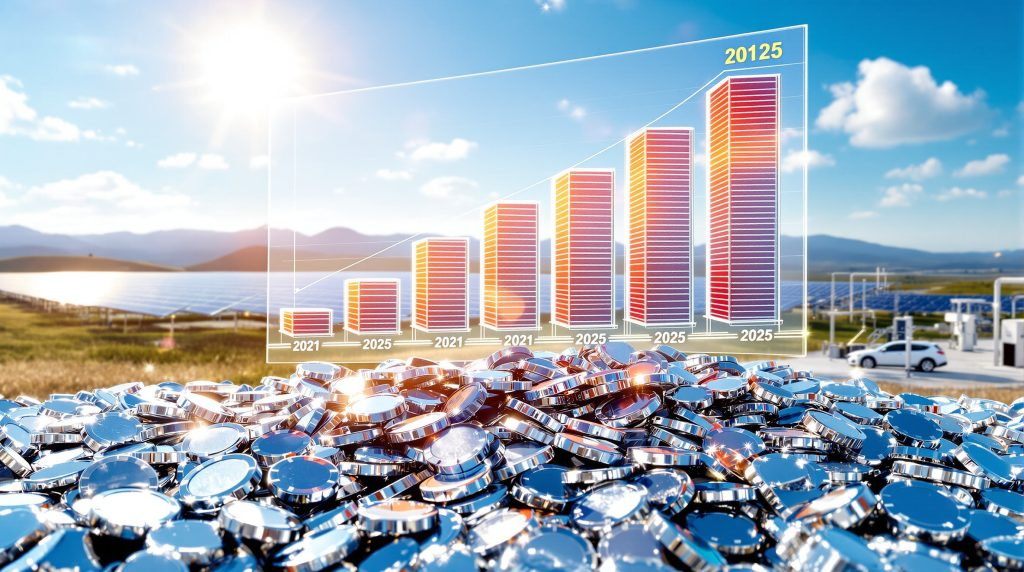
Silver has been in a structural deficit for five consecutive years, meaning global demand has consistently outpaced supply. For 2025, the expected global demand for silver is 1.24 billion ounces, while the supply is only expected to be 1.01 billion ounces, creating a gap of around 100-250 million ounces. This gap is anticipated to grow wider once China’s export restrictions take effect.
The supply chain challenges are compounded by the fact that new silver mining projects typically take over a decade to develop. Moreover, silver mining is mainly a by-product of copper and zinc extraction, so any disruption in those industries also impacts silver supply. Recycling efforts have not been enough to fill the growing gap in supply.
3. Declining Physical Silver Inventories
Physical silver stocks have been rapidly decreasing. Key silver vaults across the globe are seeing massive declines in their holdings:
- COMEX inventories have dropped by 70% since 2020.
- London vaults are down 40%.
- Shanghai’s silver inventories are at a 10-year low.
At the current rate of demand, some regions only have enough silver to cover 30 to 45 days of usage. This shortage has driven physical silver premiums to rise dramatically, with silver in Shanghai trading at over $80 per ounce, while COMEX prices remain much lower. The price disparity highlights the increasing difficulty in obtaining actual silver, pushing buyers to pay a premium for the physical metal.
4. Paper Silver vs. Physical Silver
The gap between paper silver (futures contracts and other financial instruments) and physical silver is growing dangerously wide. For every ounce of actual silver, there are roughly 356 paper claims. This means that if even a small number of buyers request delivery of real silver, it could cause a collapse in the market. The extreme imbalance is contributing to the vertical price movements observed in recent days.
5. Rising Industrial Demand
Silver is not just a commodity for investors; it plays a crucial role in many industrial applications. It is an essential component in products like solar panels, electric vehicles, electronics, and medical devices. Industrial demand for silver now accounts for 50-60% of global silver consumption, and there is no substitute for it in many of these uses.
As supply is tightening and physical shortages become more apparent, banks and financial institutions are reacting to the growing risks in both the physical and paper silver markets. Silver prices are not rising due to speculative fear but due to the actual supply squeeze that is happening in real-time.