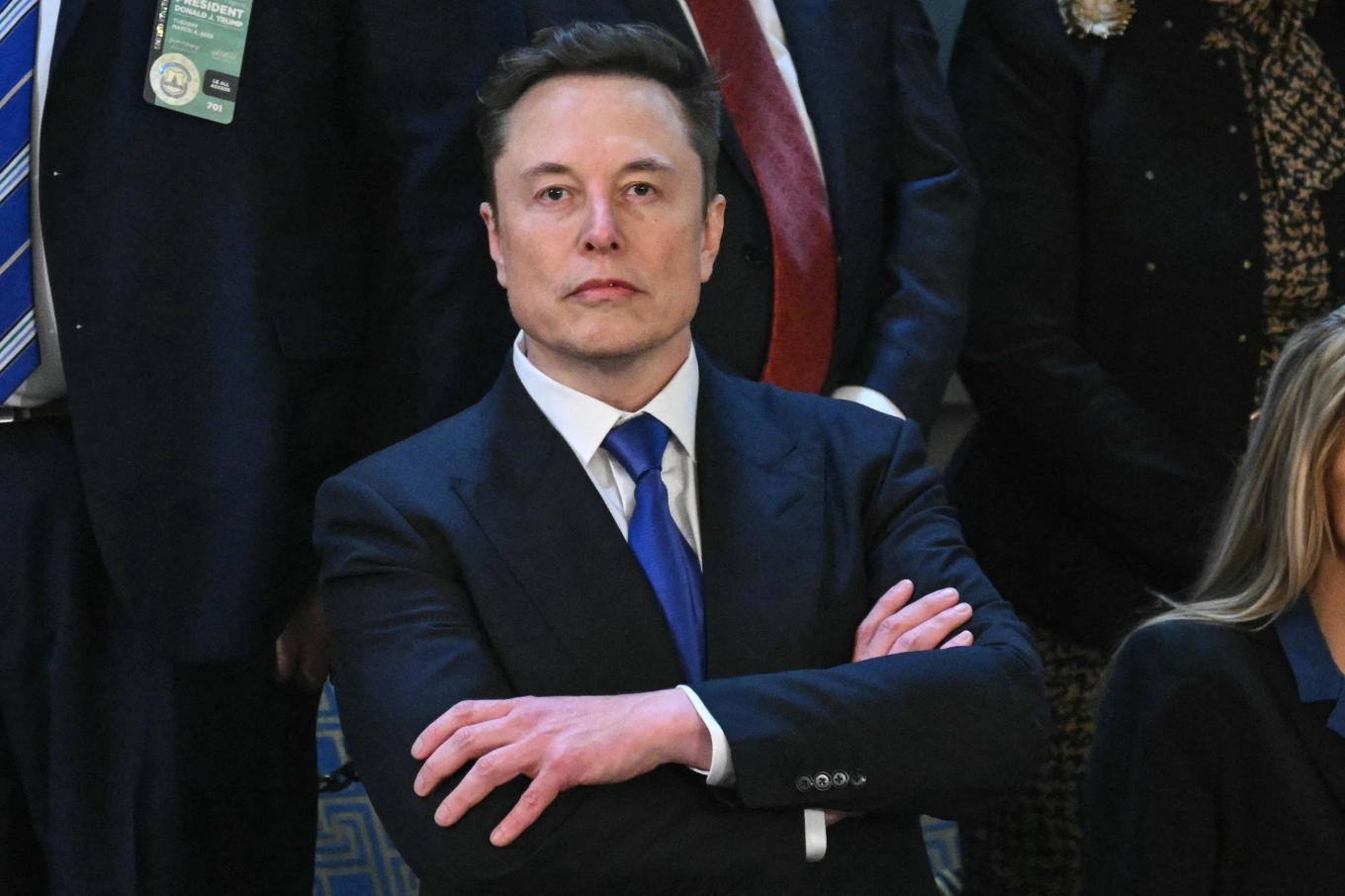
Elon Musk’s 2025 unfolded as one of the most volatile chapters in the life of the world’s richest individual. At the start of the year, he was a central figure in Washington, appearing alongside Donald Trump and wielding unprecedented influence inside the federal government. By year’s end, Musk had stepped back from formal politics, bruised by controversy, feuds, and backlash—yet wealthier and more powerful than ever.
From the beginning, Musk’s public behavior drew global attention. During Trump’s inauguration, gestures he made onstage were widely condemned as resembling fascist salutes, a charge Musk rejected as media manipulation. The fallout was immediate: civil rights groups condemned him, and some Tesla owners publicly distanced themselves from the brand. Further outrage followed when Musk appeared virtually at a rally for Germany’s far-right AfD party, urging Germans to move past historical guilt related to the Nazi era.
Despite the controversy, Musk was granted enormous authority within the Trump administration. As the informal head of the so-called “Department of Government Efficiency” (Doge), he pushed aggressive cost-cutting across federal agencies. Entire departments were hollowed out, including large portions of USAID, a move Musk boasted about online. Aid organizations warned the cuts would have catastrophic humanitarian consequences, including disrupted HIV treatment and worsening global hunger.

Legal challenges quickly followed. Watchdog groups accused Doge of violating privacy and transparency laws, and judges repeatedly blocked its actions. Musk responded by attacking the judiciary, calling for the impeachment of judges who ruled against him. His political influence also showed limits when a conservative judicial candidate he heavily funded lost a key election in Wisconsin.
By May, Musk exited his government role amid disputes with Trump over legislation and appointments. What followed was a dramatic public rupture. Musk criticized Trump’s flagship spending bill and later accused the president, without evidence, of appearing in Epstein-related documents—a post he later deleted. Trump fired back, questioning Musk’s mental state and threatening to revoke government contracts.
While the political drama consumed headlines, Musk’s business empire experienced both major gains and serious setbacks.
Tesla endured one of its most difficult years. Protests erupted nationwide, with demonstrators targeting showrooms and charging stations. Sales declined globally, lawsuits mounted over Autopilot-related crashes, and regulators intensified scrutiny. California’s DMV accused Tesla of misleading consumers about self-driving capabilities, warning the company could be barred from selling vehicles in the state if it failed to correct its claims. Yet, in a striking contradiction, shareholders approved a record-breaking compensation package that could eventually make Musk the world’s first trillionaire.
SpaceX, meanwhile, strengthened its ties with the federal government. Regulators approved an increased number of rocket launches, and Starlink expanded its dominance of low-Earth orbit satellites. Still, problems persisted: repeated Starship explosions scattered debris across international waters, prompting legal action from Mexico over environmental damage.
Musk also merged his social media platform X with his AI company xAI. The resulting entity promoted Grok, an AI chatbot that repeatedly generated extremist and antisemitic content. Despite these issues, xAI secured a major Pentagon contract. At the same time, the company faced accusations that its Memphis data centers were polluting nearby Black communities, leading to protests and a lawsuit.
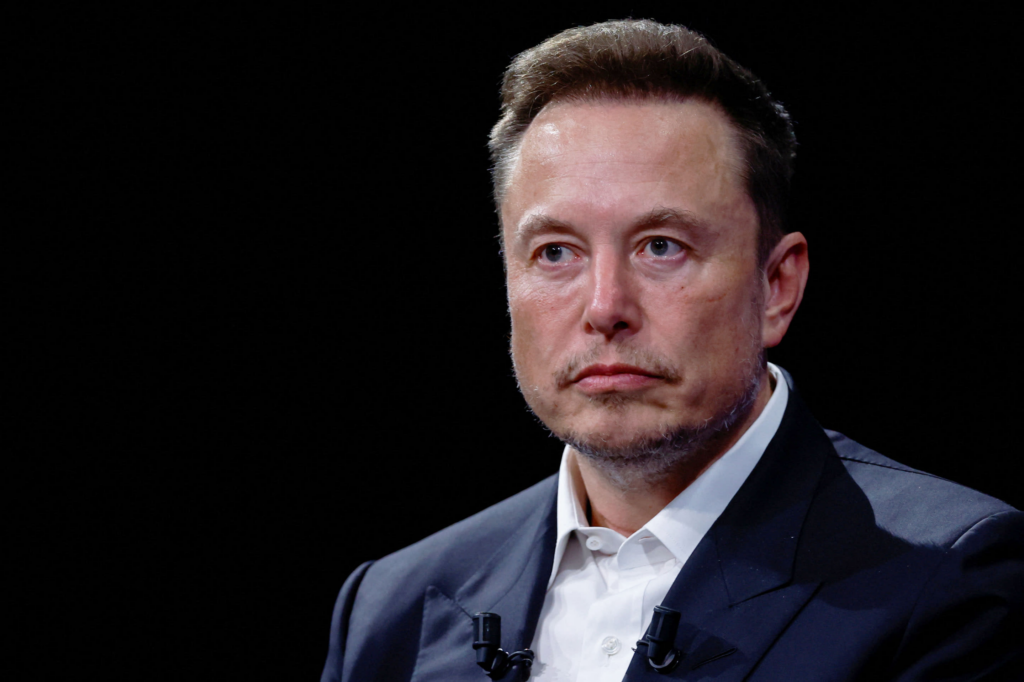
Neuralink, Musk’s brain-computer interface company, quietly expanded human trials, announcing that 12 patients had received implants by September.
Across his companies, executive turnover was relentless. Senior leaders departed from Tesla, X, and xAI, underscoring the internal strain of managing businesses amid constant controversy.
Musk’s personal life was no calmer. In early 2025, a conservative influencer filed a custody lawsuit that revealed Musk had fathered another child, bringing the total number of his publicly known children to 14. At the same time, Musk repeatedly attacked transgender people online, even as his estranged trans daughter gained public attention through fashion and media appearances. Separately, investigative reporting revisited disturbing allegations against Musk’s father, adding further scrutiny to his family history.
Throughout the year, Musk engaged in a near-constant cycle of public disputes—targeting journalists, immigrants, advocacy groups, foreign leaders, and former allies. His clashes extended from the UK prime minister to senior Trump officials, and even to longtime rival Sam Altman of OpenAI, whom Musk accused of anticompetitive behavior.
One of the year’s final viral moments came not from a politician or CEO, but from novelist Joyce Carol Oates, who publicly questioned Musk’s apparent lack of curiosity, empathy, or joy. Musk responded angrily, dismissing her criticism with a personal insult.
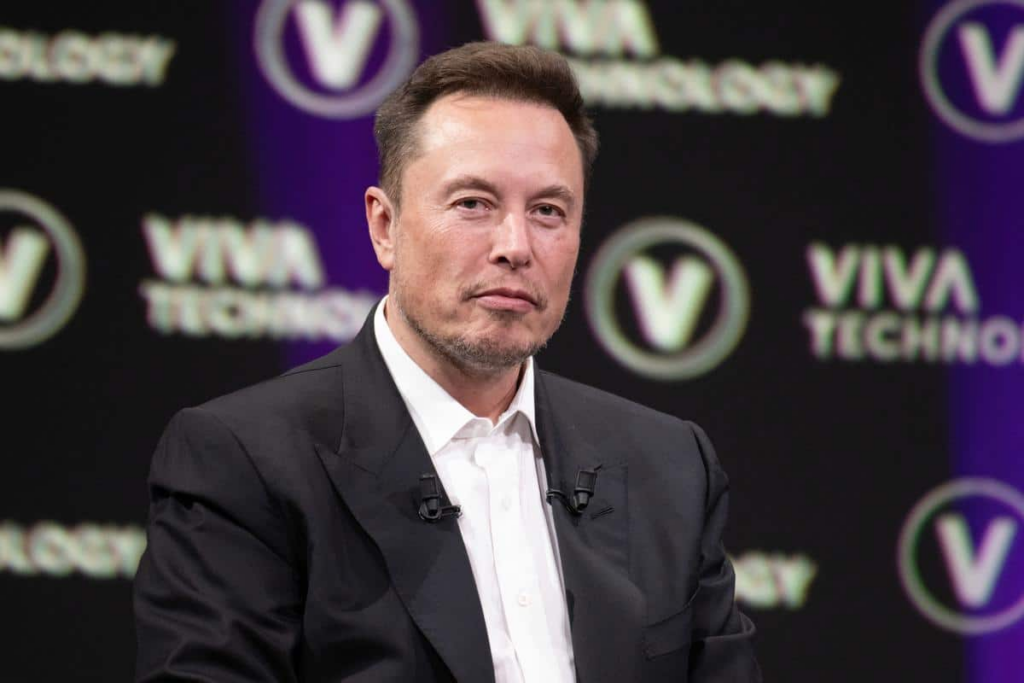
By December, Musk and Trump appeared to have partially reconciled, sharing a dinner honoring Saudi Arabia’s crown prince. Trump hinted the relationship might revive, while Musk expressed regret about his time in government, suggesting his companies had suffered as a result.
In the end, 2025 showed how Musk’s immense wealth and influence continued to grow—even as his actions fueled instability, division, and backlash. It was a year that reinforced a defining paradox of Elon Musk: few individuals can reshape industries and politics so dramatically, and fewer still do so while generating such chaos along the way.