
What would you do if you knew your life was ending—if you could feel the future slipping away, day by day, and there was nothing you could do to stop it? Most people would retreat. They would turn inward, protect their loved ones from the worst details, and try to live whatever time remained in private.
Tatiana Schlossberg chose something far rarer.
Instead of hiding from the reality of dying young, she wrote about it—openly, calmly, and with a kind of clarity that unsettled people who read her words. Not because she was dramatic. Not because she wanted attention. But because she told the truth in a way most of us spend our lives avoiding.
She was thirty-five years old. A writer. A mother of two. A daughter, a granddaughter, a member of one of the most famous families in American history. And in the final stretch of her life, she wrote about what it felt like to watch her own time run out while the world kept moving forward as if nothing had changed.
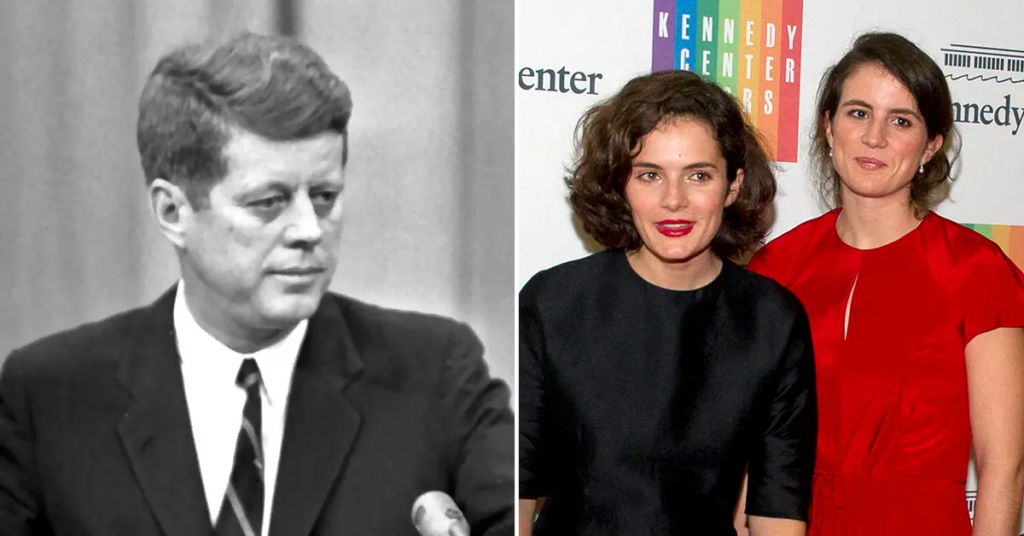
It wasn’t the fact of death that made her story spread. It was the way she faced it: not with spectacle, not with bitterness, but with a steady, almost unreal grace—grace that didn’t deny fear or pain, but refused to let them turn into cruelty.
A Diagnosis That Arrived at the Worst Possible Moment
Tatiana’s illness didn’t announce itself through obvious symptoms. It arrived like a quiet interruption in the middle of joy.
She had just given birth to her second child, a daughter named Josephine. She was in a hospital bed for all the right reasons: new life, relief, beginnings. The room should have felt like a closing chapter in pregnancy and the opening of something bright.
Instead, it became the place where everything shifted.
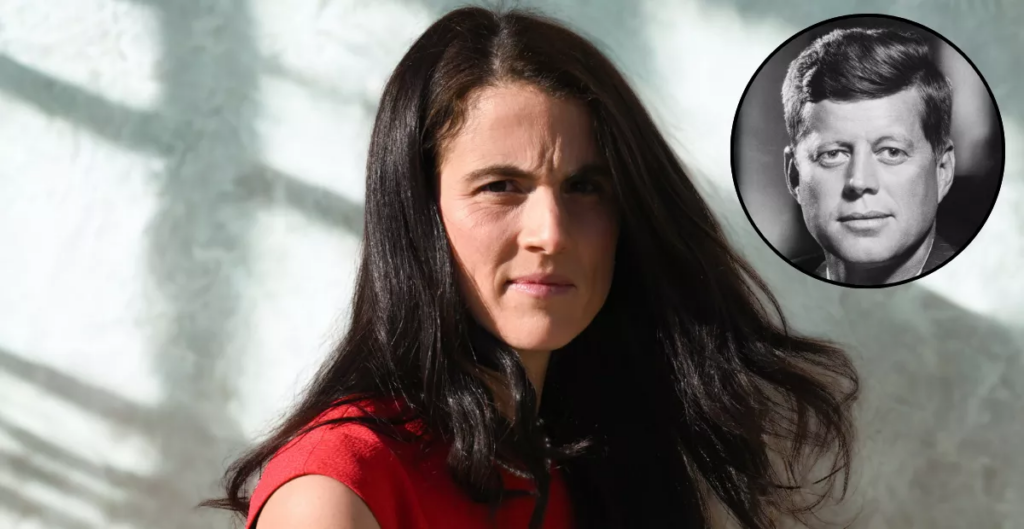
A doctor noticed something unusual in her bloodwork. Numbers that didn’t fit. White blood cells far higher than they should be—details that might sound abstract to most of us, but to medical professionals, they signal danger that can’t be ignored. What started as a “we should rule this out” became “we can’t.”
The diagnosis was acute myeloid leukemia—an aggressive form of blood cancer. Worse, it involved a rare mutation, the kind more often seen in older patients, not in a woman in her thirties holding a newborn. The timing felt cruel in a way that was almost personal: the moment her daughter arrived was the moment her own future began disappearing.
Tatiana understood what this meant. She understood treatments, survival rates, the language of hospitals and protocols and numbers that suddenly controlled everything. Her life became a medical schedule: scans, counts, appointments, plans that sounded hopeful but felt fragile.
But she didn’t write about it like a melodrama. She wrote about it like a new landscape she had been forced into—an in-between place where you are still alive but no longer able to think of life as endless.
The Fear Wasn’t Death. It Was Absence.
What gripped readers most wasn’t the medical detail. It was her relationship with time.
Tatiana wrote about what happens when you realize you won’t get to grow old. When the future stops being a wide open road and becomes a narrow hallway. When you begin measuring your life not in years but in months, weeks, mornings.
She wrote about memorizing her children: their faces, their sounds, their weight in her arms. She wasn’t only afraid of dying. She was afraid of being forgotten—afraid that one day her children would only know her through stories other people told, filtered through grief and time.
That fear is profoundly human. It’s not fear of darkness. It’s fear of absence.
While most of us live like time is infinite—putting off conversations, postponing apologies, assuming there will always be another chance—Tatiana lived with the opposite truth. Every moment mattered. And that awareness made ordinary things shimmer: sunlight through hospital blinds, the sound of her children breathing while they slept, the way her husband’s voice changed when he was trying not to cry.
Her writing made people pause because it didn’t offer comfort in the usual way. It didn’t promise that everything happens for a reason. It didn’t insist that positive thinking could rewrite reality. It simply said, in effect: This is what it feels like.
And people listened, partly because we don’t want to look at death too closely. We avoid it. We push it away. Tatiana didn’t rip that illusion from readers violently—she removed it gently, with honesty.
The Weight of a Family That Never Grieves in Private
Tatiana’s story also carried an extra layer of heaviness because of her name.
The Kennedy family is usually discussed in terms of legacy, power, and history. But within that family, the pattern has also been something else: loss—sudden, public, relentless.
Tatiana grew up in a lineage where grief didn’t happen behind closed doors. It happened under cameras, in headlines, in national memory. Her mother, Caroline Kennedy, experienced public tragedy as a child—loss that became part of the American story, not just a private one. Over the years, more goodbyes followed: deaths that the world watched and discussed, as if sorrow could be analyzed like politics.
So when Tatiana became ill, it wasn’t only a medical crisis. It felt like another chapter in a narrative her family never asked to keep writing.
And Tatiana felt that. She wrote about the guilt of becoming another source of pain for people she loved. She wasn’t just facing her own ending—she was facing what her ending would do to her family, especially to a mother who had already endured too many losses.
That kind of emotional math is brutal: grieving yourself while also grieving the damage your death will cause others.
People often assume privilege makes suffering easier—that money cushions grief, that fame softens pain. Tatiana’s story cut through that illusion. Loss is loss. Death doesn’t negotiate. It doesn’t care about last names.
If anything, being watched can make grief worse, because privacy disappears. Tatiana’s writing became a way to reclaim her experience from becoming just another headline. This was her life, her fear, her love, her goodbye—not a symbol, not a legacy, not a story that belonged to strangers.
Why Her Words Felt Like a Gift
Tatiana didn’t romanticize illness. She described how it shrinks your world: your days become waiting rooms, lab results, paper gowns, time measured in counts and scans. Life outside keeps moving—news cycles change, seasons turn—while your own life feels suspended.
She also wrote about something people rarely admit: dying young is socially awkward. People don’t know what to say. They reach for clichés—“stay positive,” “keep fighting,” “everything happens for a reason”—and none of it helps, because none of it changes the truth.
What helped, she suggested, was honesty. Someone saying, “This is awful.” Someone saying, “I’m sorry.” Someone not trying to fix it—just staying.
In that way, her writing became more than personal reflection. It became a quiet guide for the living: how to sit with suffering without trying to erase it, how to love someone without turning their pain into a project, how to be present without needing to be useful.
And that is why people felt like they knew her, even if they never met her. She wasn’t performing strength. She was practicing it on the page, quietly.
A Legacy Measured in Presence
In the end, what stayed with readers wasn’t the diagnosis or the timeline. It was the recalibration.
Tatiana’s story reminded people that love is not something you store for later. It only exists in the present. And if you wait too long, you miss it.
Her life didn’t need to be long to be meaningful. It needed to be honest. Loving. Present.
Most people leave with things unsaid—apologies unwritten, affection assumed but not expressed. Tatiana didn’t. She left behind her voice, her way of seeing, her tenderness, her truth. She closed her life deliberately, like someone reaching the last page of a book and finishing it with full awareness of what it contained.
Not angrily. Not reluctantly. With gratitude for what was written inside.
And maybe that is the strange gift she gave: not comfort, not easy answers, but perspective. A reminder that we are not entitled to time—we are invited into it briefly.
So if her story does anything for those who hear it now, let it do what her words quietly asked of people: let it make us kinder. Slower. More willing to say the things we keep postponing. More willing to love the people we already have while we still can.
Because that was her final message—not delivered in bold letters, not framed as a lesson, but lived as an example.
And sometimes, that is the most powerful kind of legacy there is.