kk.Maria Shriver Pens Emotional Message for Cousin Tatiana Schlossberg After Devastating Cancer Revelation

Maria Shriver has shared a deeply emotional and public message of support for her cousin, Tatiana Schlossberg, following Schlossberg’s heartbreaking revelation that she is facing terminal cancer at just 35 years old. The tribute came after Schlossberg published a powerful personal essay in The New Yorker titled “A Battle With My Blood,” in which she detailed her private struggle with a rare and aggressive form of leukemia.
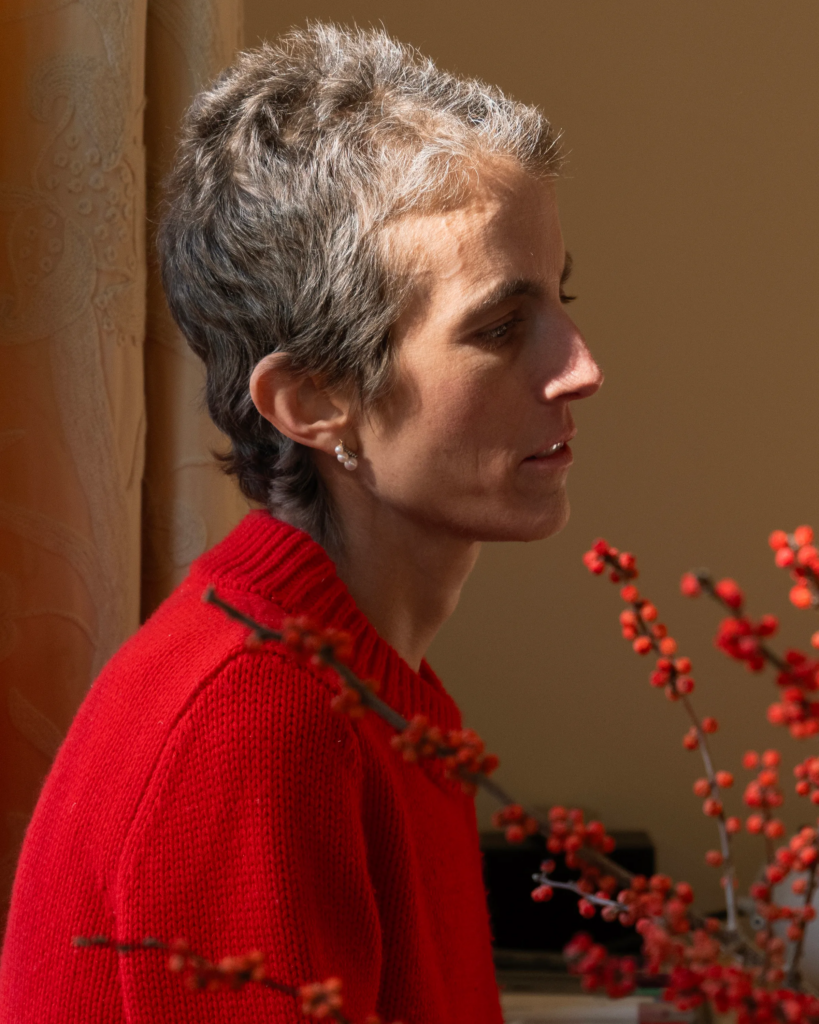
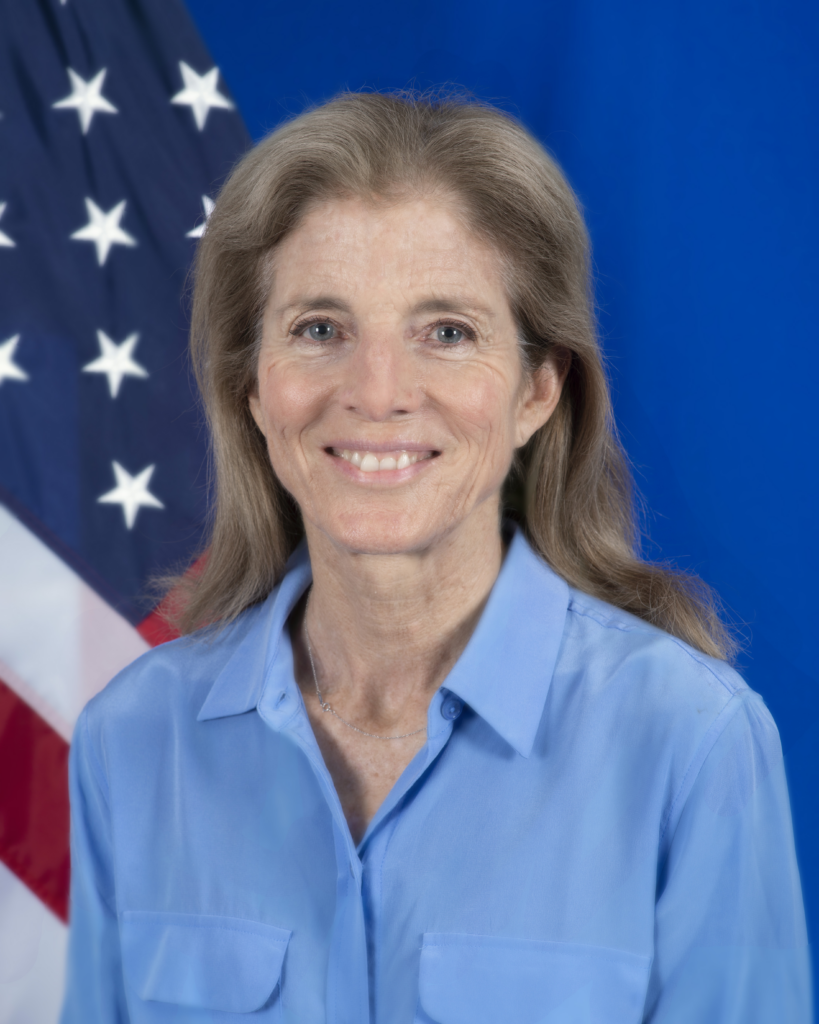
Schlossberg, the daughter of Caroline Kennedy and the granddaughter of President John F. Kennedy, disclosed that she was diagnosed with acute myeloid leukemia (AML) in May 2024. Her essay was released on the 62nd anniversary of her grandfather’s assassination, a date already heavy with meaning for the Kennedy family.
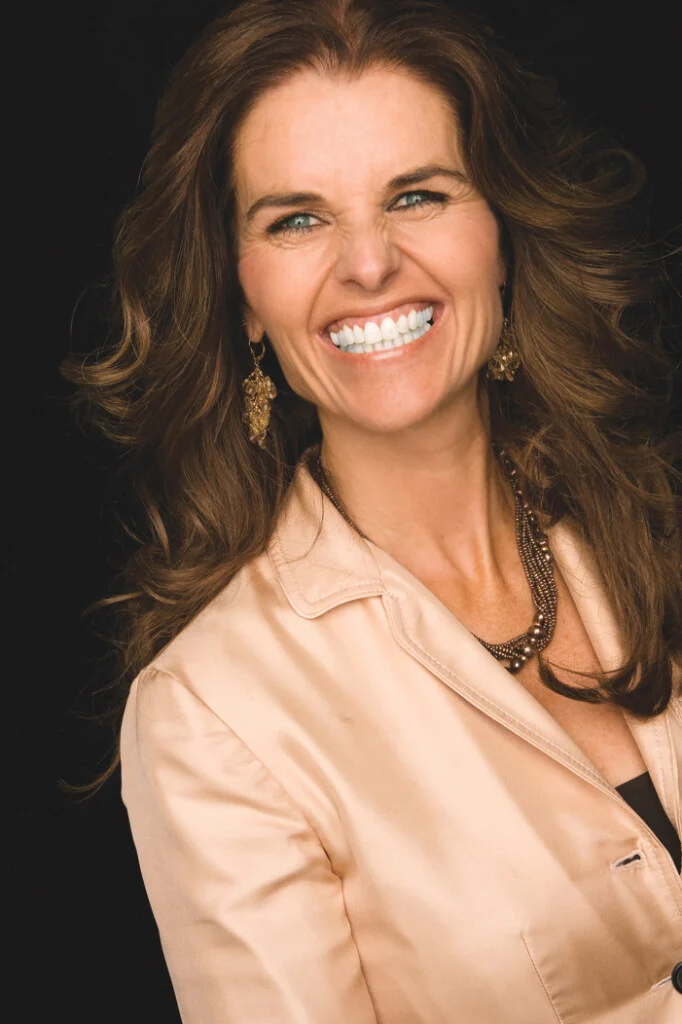
In response, Maria Shriver, whose mother Eunice Kennedy Shriver was John F. Kennedy’s sister, took to Instagram to amplify her cousin’s voice and honor her courage. “If you can only read one thing today, please take the time for this extraordinary piece of writing by my cousin Caroline’s extraordinary daughter, Tatiana,” Shriver wrote. She described Schlossberg as a “beautiful human being” and praised the essay for shedding light on a battle that had quietly unfolded for more than a year.
Shriver emphasized that Schlossberg’s writing transcends personal suffering, calling it a tribute to doctors, nurses, and medical professionals working “on the front lines of humanity.” She urged followers not only to read the article but to let it serve as a reminder to appreciate life in the present moment. “Read it yourself and be amazed by the life story of one woman,” Shriver added, sharing screenshots of the essay and directing readers to the full piece via her Instagram Stories.
In her New Yorker essay, Schlossberg revealed that her diagnosis came as a complete shock. At the time, she was nine months pregnant with her second child and felt, by her own account, “one of the healthiest people I knew.” She experienced no symptoms and maintained an active lifestyle, even swimming a full mile the day before doctors raised concerns.
The illness was discovered only after routine blood tests conducted following childbirth. Doctors noticed a dramatic imbalance in her white blood cell count. While a normal range typically falls between 4,000 and 11,000 cells per microliter, Schlossberg’s count was an alarming 131,000. Initially, physicians suggested it might be related to pregnancy, but further testing confirmed leukemia.
Schlossberg was ultimately diagnosed with a rare genetic mutation known as inversion 3, a particularly aggressive subtype of AML that does not respond well to standard treatments. “It was beyond my belief,” she wrote. “I could not believe they were talking about me. I was not ill. I felt fine.”
Following the diagnosis, Schlossberg spent five weeks at Columbia Presbyterian Hospital before being transferred to Memorial Sloan Kettering Cancer Center for a bone marrow transplant. She endured intensive chemotherapy, much of it at home, and later enrolled in a clinical trial for CAR T-cell therapy, a cutting-edge form of immunotherapy designed to target specific blood cancers.
Despite these efforts, doctors eventually delivered devastating news: her condition was terminal, and she was given an estimated year to live.
The revelation has cast a somber shadow over the Kennedy family, a dynasty long associated with public service but also marked by profound tragedy. In her essay, Schlossberg reflected on the weight of adding another chapter of sorrow to her family’s history, which includes the assassinations of John F. Kennedy in 1963 and Robert F. Kennedy in 1968, as well as the infamous Chappaquiddick incident involving Ted Kennedy.
“Throughout my entire life, I have endeavored to be good,” Schlossberg wrote. “An exemplary student, sister, and daughter, and to shield my mother from anger or upset. Now, I have introduced a new tragedy into her life and our families, and there is nothing I can do to prevent it.”
She also paid tribute to the unwavering support of her husband, George Moran, a physician who stood by her side throughout treatment. “He spoke with all the doctors and insurance people I didn’t want to talk to. He slept on the hospital floor,” she wrote. Schlossberg praised her parents and siblings for helping care for her children and for being present in her hospital room almost every day, masking their own grief to support her.
Medical experts note that inversion 3 AML is considered very high risk, with a five-year survival rate estimated at just 15 to 20 percent. Due to its genetic makeup, it often shows resistance to conventional chemotherapy, making treatment outcomes particularly uncertain.
Through her essay and Shriver’s public message, Schlossberg has transformed her personal ordeal into a wider reflection on family, mortality, and resilience. While the diagnosis is devastating, her words—and her cousin’s amplification of them—have resonated deeply with readers, offering a rare and intimate look at courage in the face of unimaginable news.