
For most of her life, Caroline Kennedy has lived inside a carefully constructed silence. It is not the silence of avoidance, but of survival—learned early, reinforced often, and passed down through generations marked by sudden loss. She has carried a public name while fiercely protecting a private self, shaped by grief long before adulthood had a chance to begin.
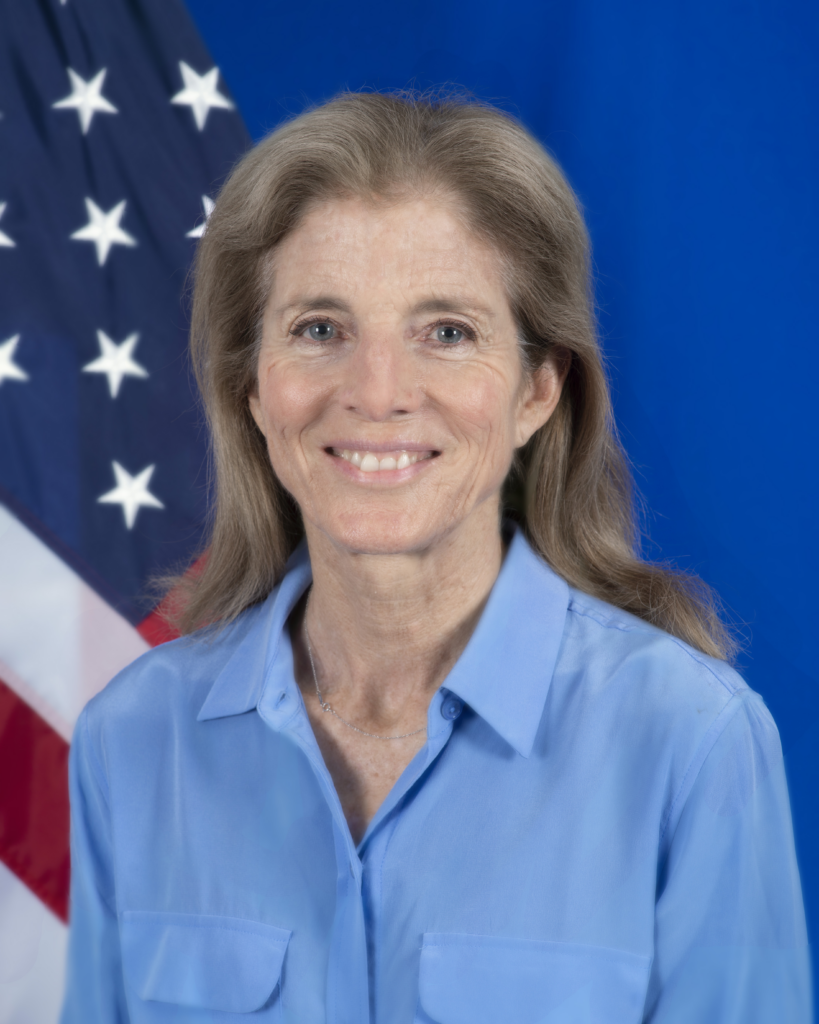
In late December 2025, that lifelong balance collapsed in the most devastating way possible. Caroline Kennedy’s daughter, Tatiana Schlossberg, died at the age of 35 after a brutal battle with acute myeloid leukemia. She left behind her husband, two very young children, and a final piece of writing that would come to redefine not only her own story, but her mother’s.
Tatiana’s death was tragic. But what followed—what truly broke those closest to the family—was not the illness alone. It was the meaning Tatiana gave to it.
A daughter who learned to protect
According to people familiar with the family, Tatiana spent much of her life being careful—not with rules or expectations, but with her mother. She was careful not to add weight to a life that already carried too much history. That instinct did not come from instruction. It came from observation. From sensing fragility where others saw strength.
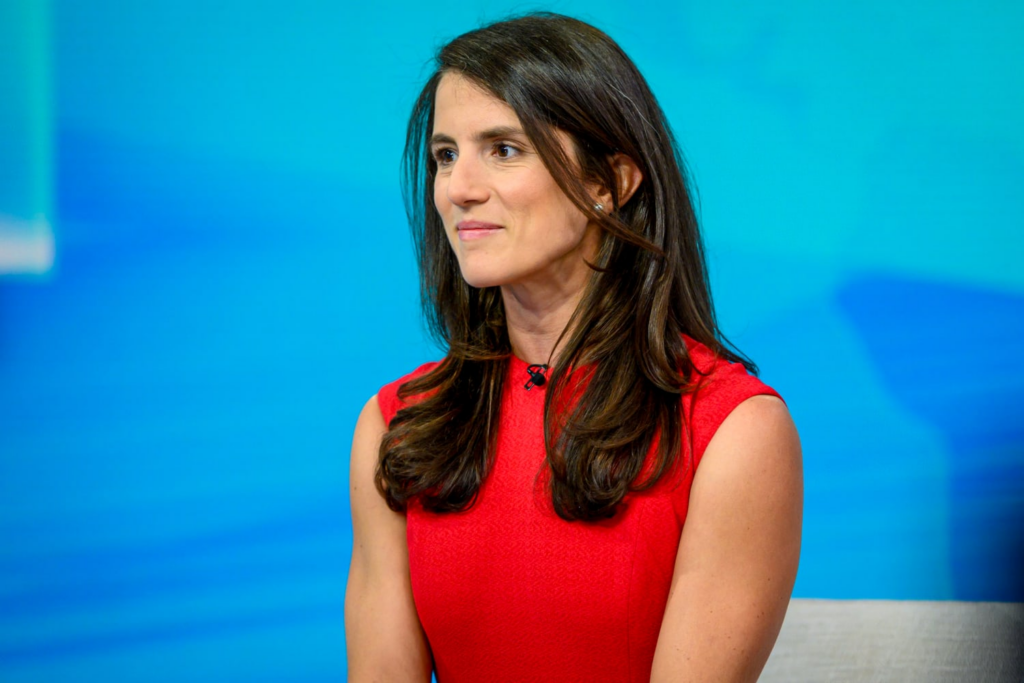
In her final essay, published in The New Yorker just weeks before her death, Tatiana revealed something that reframed her entire life. She wrote that she had never been trying to impress her mother or live up to the Kennedy name. She had been trying to protect her.
That single word—protect—landed with devastating clarity. It suggested a child who saw pain early, who internalized responsibility long before it was appropriate, and who quietly carried emotional burdens that were never hers to hold.
For Caroline Kennedy, reading that line was reportedly shattering. Not because it accused her, but because it revealed what grief can do without permission. Pain doesn’t ask to be inherited. It simply leaks.
History written into childhood
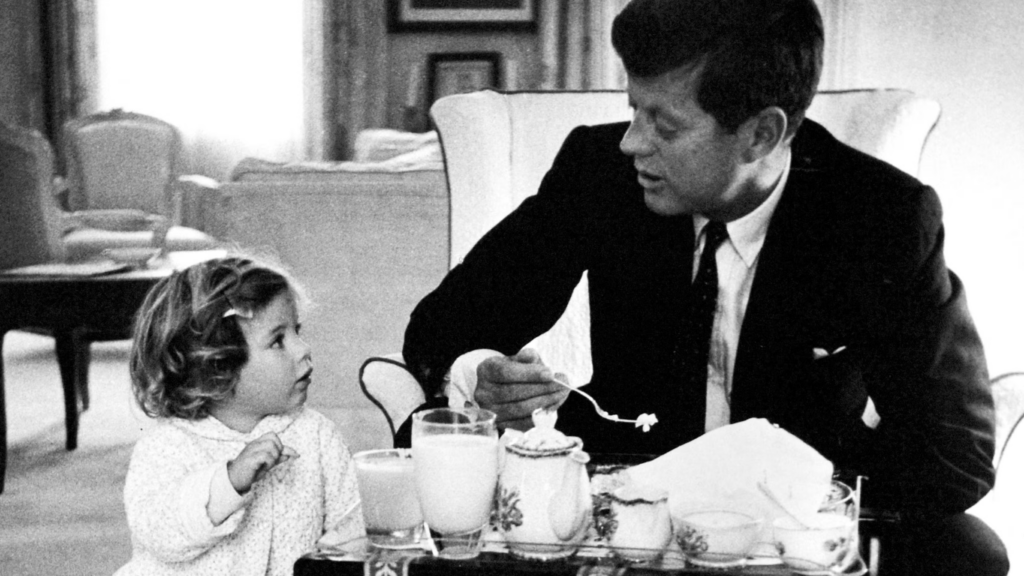
To understand why Tatiana felt this way, those close to the family say you must go back to Caroline’s own childhood.
Caroline was five years old when her father, John F. Kennedy, was assassinated. She learned of his death not through history books or public ceremony, but in the dark, as a child being told there was “very sad news.” That moment never truly ended. It simply evolved.
Five years later, another assassination took her uncle, Robert F. Kennedy. Safety became conditional. Privacy became survival. Her mother, Jacqueline Kennedy Onassis, responded by building walls—physical and emotional—to keep her children alive and intact.
Caroline absorbed that lesson completely. Silence was strength. Composure was armor. And when she became a mother herself, those instincts passed down, unintentionally but inevitably.
A diagnosis that changed the meaning of dying
Tatiana’s cancer was discovered after a life-threatening complication following childbirth. The diagnosis—acute myeloid leukemia with a rare and aggressive mutation—came quickly and without comfort. Treatment was relentless: chemotherapy, hospital stays, bone marrow transplants, clinical trials. None of it worked.
But what haunted Tatiana most, according to those close to her, was not dying.
It was what dying would do to her mother.
She wrote openly about this fear. She believed she was adding “another tragedy” to Caroline’s life—another loss in a family already shaped by absence. That knowledge, by all accounts, weighed heavier than the illness itself.
Children who mirror the past
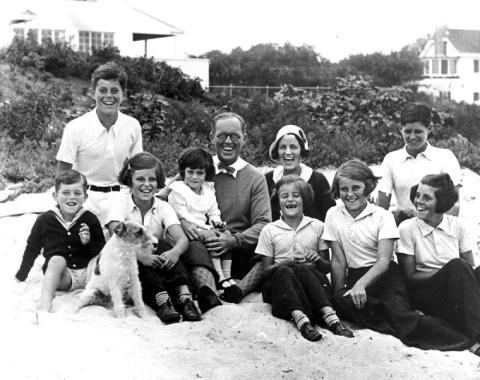
The symmetry that followed her death is almost unbearable to acknowledge.
Tatiana’s son was about three years old when she died. Her daughter was not yet two. People close to the family have quietly noted how closely those ages mirror Caroline and her brother John F. Kennedy Jr. at the time of their father’s assassination.
Caroline now stands in a place she recognizes too well: the guardian of memory for children who will grow up knowing a parent mostly through stories and photographs. A role she never wanted her children—or her grandchildren—to inherit.
Words that remain
Tatiana’s essay was not a goodbye. It was a map.
She worried that her children might confuse memories with pictures, that her presence would slowly flatten into an image. So she wrote. She wrote about being a mother. About fear. About trying—and sometimes failing—to stay present when time is running out.
She wanted her children to know she was more than a hospital room. More than an illness. More than a tragedy.
For Caroline Kennedy, those words landed with unique force. She knows what it means to grow up with a parent who exists largely through stories. She knows the strange disorientation of inherited grief. And she knows that memory, when built carefully, can become a form of love that survives time.
After the silence
After Tatiana’s death, Caroline did what she has always done. She stayed quiet. No public breakdown. No long statements. Just work—the slow, unglamorous work of grief.
Those close to the family say her focus is now entirely on Tatiana’s children. On making their mother real. On speaking her name. On telling stories that breathe. Not creating myth. Creating memory.
This story is often framed as another chapter in a tragic family legacy. But that misses the point.
The point is endurance.
It is the quiet refusal to let love disappear just because someone is gone. It is the stubborn act of remembering. And now, once again, Caroline Kennedy is doing what grief has demanded of her her entire life: carrying someone forward, not loudly, not publicly, but faithfully.
Not because she is strong in a heroic sense—but because love, when there is no alternative, insists on survival.