RM Black Culture Erased? Viral Claims Say Lenny Henry Demanded American Eagle Apologize for ‘Whitewashing’ Denim — But the Truth Is Murkier

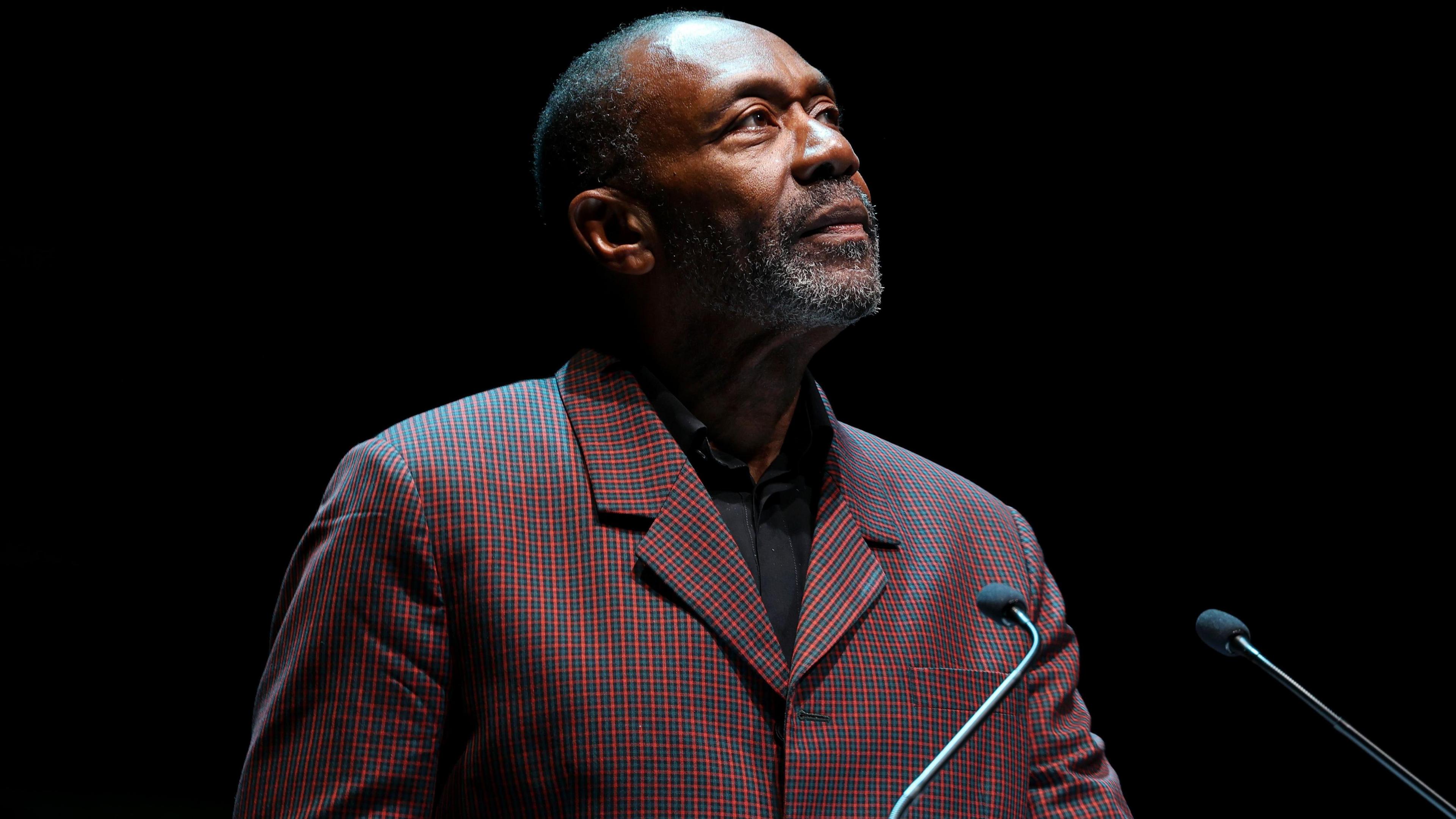
Reports circulating on social media recently claimed that Sir Lenny Henry had called on American Eagle to apologize for choosing actress Sydney Sweeney as the face of its “great jeans” campaign, arguing that denim’s historical roots in Black culture required a Black representative such as Cynthia Erivo rather than a blonde, blue-eyed actress. However, a closer look at these claims reveals that they appear to stem largely from speculative online posts rather than from verified statements or credible news reporting.
The controversy centers on American Eagle’s 2025 advertising campaign featuring Sydney Sweeney, best known for her roles in Euphoria and The White Lotus. The campaign played on a deliberate word pun between “great jeans” and “great genes,” with Sweeney modeling denim while narrating a lighthearted, personal message about style and self-expression. While the brand framed the ad as fashion-focused and playful, the wordplay quickly ignited debate online.
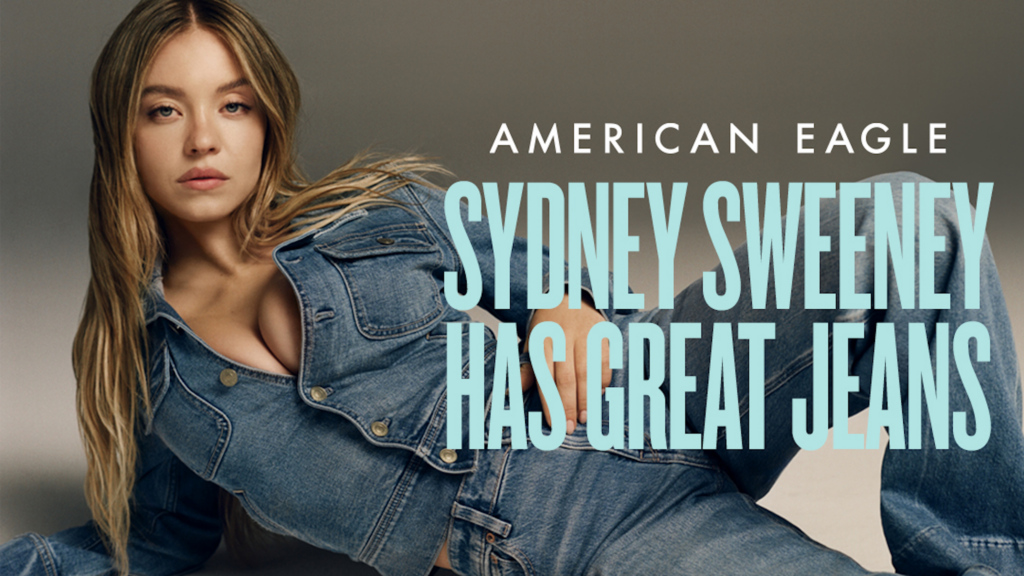
Critics on platforms such as X, TikTok, and Instagram argued that pairing the “great genes” phrasing with a white, conventionally attractive actress evoked uncomfortable associations with racialized beauty standards and even echoes of eugenics. From there, the discussion expanded into broader cultural arguments, including claims that denim itself has deep roots in Black labor history and should therefore be represented by Black artists and models.
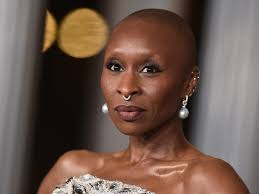
Within this charged environment, viral posts began asserting that Sir Lenny Henry had publicly condemned American Eagle’s casting choice, demanded an apology, and suggested that someone like Cynthia Erivo would have been a more appropriate face for the campaign. These posts spread rapidly, often framed as fact and accompanied by emotionally charged language about cultural erasure and appropriation.
Yet despite their reach, these claims lack confirmation from established media outlets. There are no verified interviews, official statements, or reputable news reports showing that Sir Lenny Henry made such remarks. To date, major international outlets have not published evidence supporting the narrative that he directly criticized American Eagle or named Erivo as a preferred alternative. This raises serious questions about how quickly unverified social media speculation can harden into “assumed truth.”
American Eagle, for its part, did issue a formal response to the backlash. The company emphasized that the campaign was never intended to comment on race or genetics, stating clearly that it was “about the jeans — her jeans, her story.” The brand maintained that the ad focused on individual style and personal confidence, and that interpretations tying it to racial ideology were not part of the creative intent.
Sydney Sweeney also expressed surprise at the controversy, noting in subsequent interviews that she viewed the campaign as a straightforward fashion collaboration. She denied any underlying political or cultural messaging and said she did not anticipate the intense reaction that followed.
In the end, the episode highlights how modern advertising exists in an environment where symbolism is intensely scrutinized and narratives can spiral rapidly online. While the debate about representation, history, and cultural sensitivity remains valid and ongoing, the specific claim that Sir Lenny Henry demanded an apology from American Eagle appears, at least for now, to be more viral myth than documented reality.