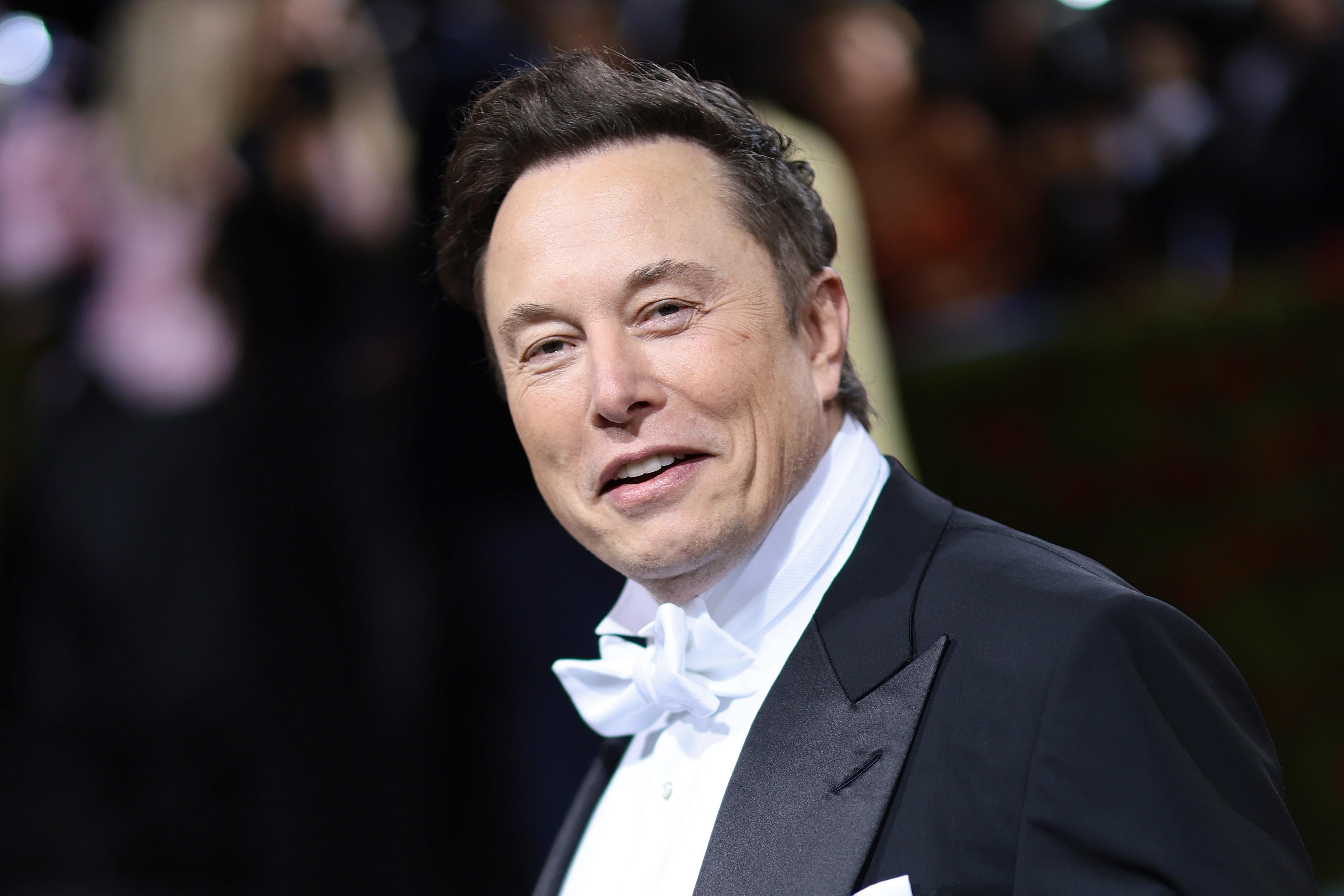
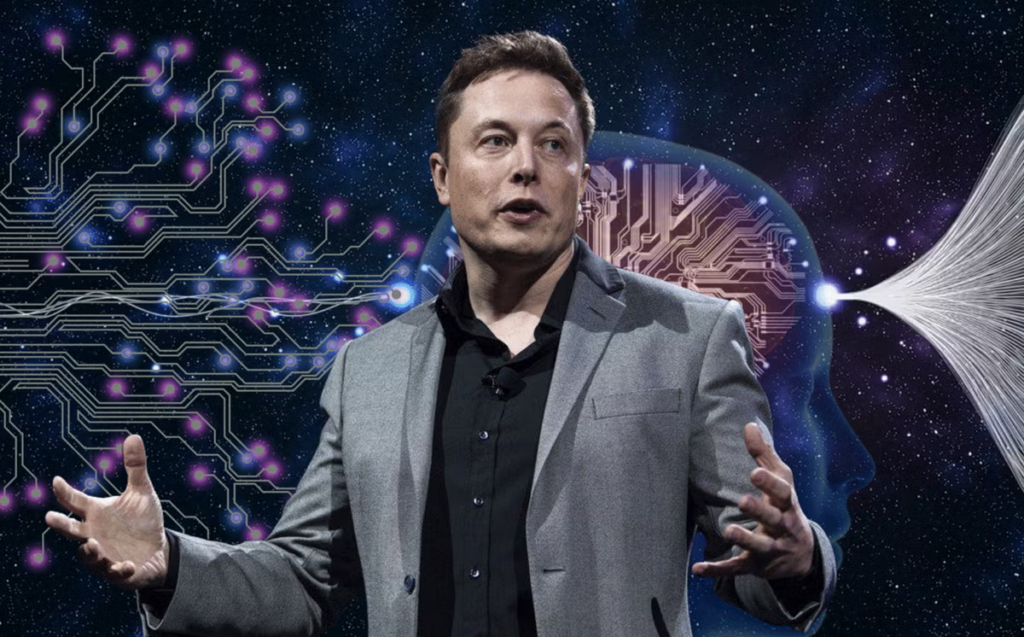
Elon Musk has once again sparked debate about the future of work, this time turning his attention to the medical profession. According to the billionaire tech CEO, studying medicine could become unnecessary within the next three years as artificial intelligence rapidly transforms healthcare.
As generative AI continues to dominate the strategic focus of major technology companies, its influence is expected to extend well into 2026. Firms such as Microsoft and Google have heavily invested in AI, embedding it throughout their ecosystems. Despite this momentum, critics warn that the industry may be heading toward an AI bubble, while many users express frustration over privacy risks and low-quality, mass-produced content often labeled as “AI slop.”
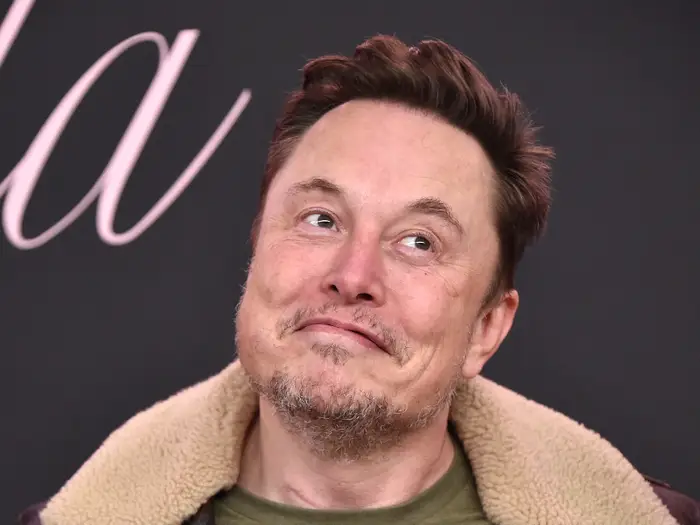
The effects of AI are already visible in the labor market. Automation is steadily replacing repetitive and routine tasks, and some industry leaders predict significant disruption ahead. Anthropic CEO Dario Amodei has suggested that up to half of entry-level white-collar jobs could disappear within the next five years, raising concerns about long-term employment prospects for younger generations.
Healthcare may be one of the most dramatically affected sectors. In a recent podcast conversation with Peter Diamandis, Elon Musk argued that AI-driven systems—particularly Tesla’s Optimus humanoid robots—could outperform human surgeons within a few years. He went as far as to say that medical school would soon be pointless, claiming AI will provide universal access to medical care superior to what even world leaders currently receive.
Musk emphasized that becoming a highly skilled doctor takes an exceptionally long time, while medical knowledge evolves so quickly that it is difficult for humans to stay fully up to date. AI, he argues, will be able to process and apply new medical information far more efficiently.
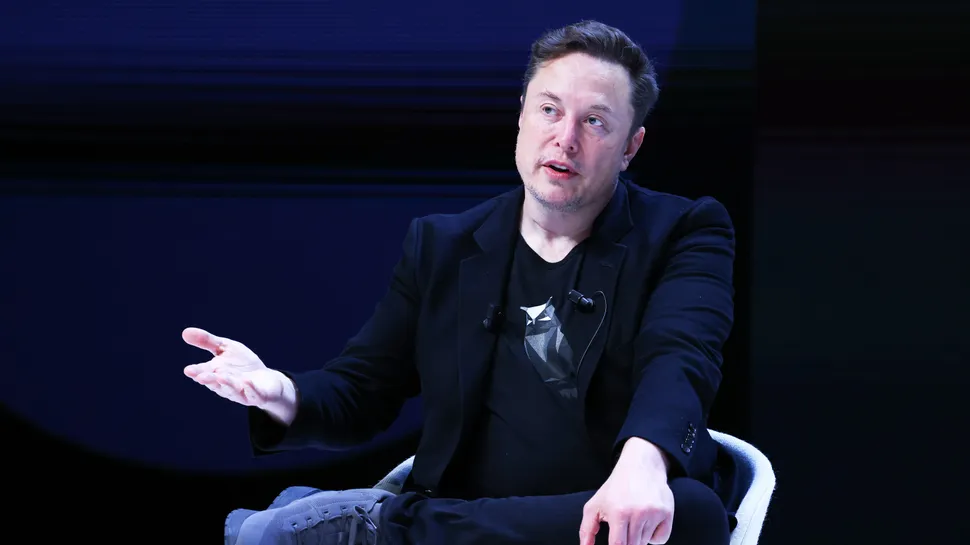
Meanwhile, leading AI labs are already expanding into healthcare. OpenAI recently introduced ChatGPT Health, a specialized experience focused on wellness and health-related information. However, the company has made it clear that the tool is not intended to replace doctors or offer direct diagnoses and treatments.
Anthropic has taken a similar approach by rolling out healthcare and life sciences features within its Claude chatbot. These tools allow users to upload medical records and ask questions to better understand their health information, positioning AI as a supportive assistant rather than a replacement for medical professionals.
While bold claims like Musk’s continue to stir controversy, the growing involvement of AI in healthcare signals a major shift—one that could redefine how medical services are delivered in the years ahead.