RM “I Almost Didn’t Survive Being 15” — Pink’s Harrowing 1995 Thanksgiving Overdose and the Teen Crisis We Still Ignore

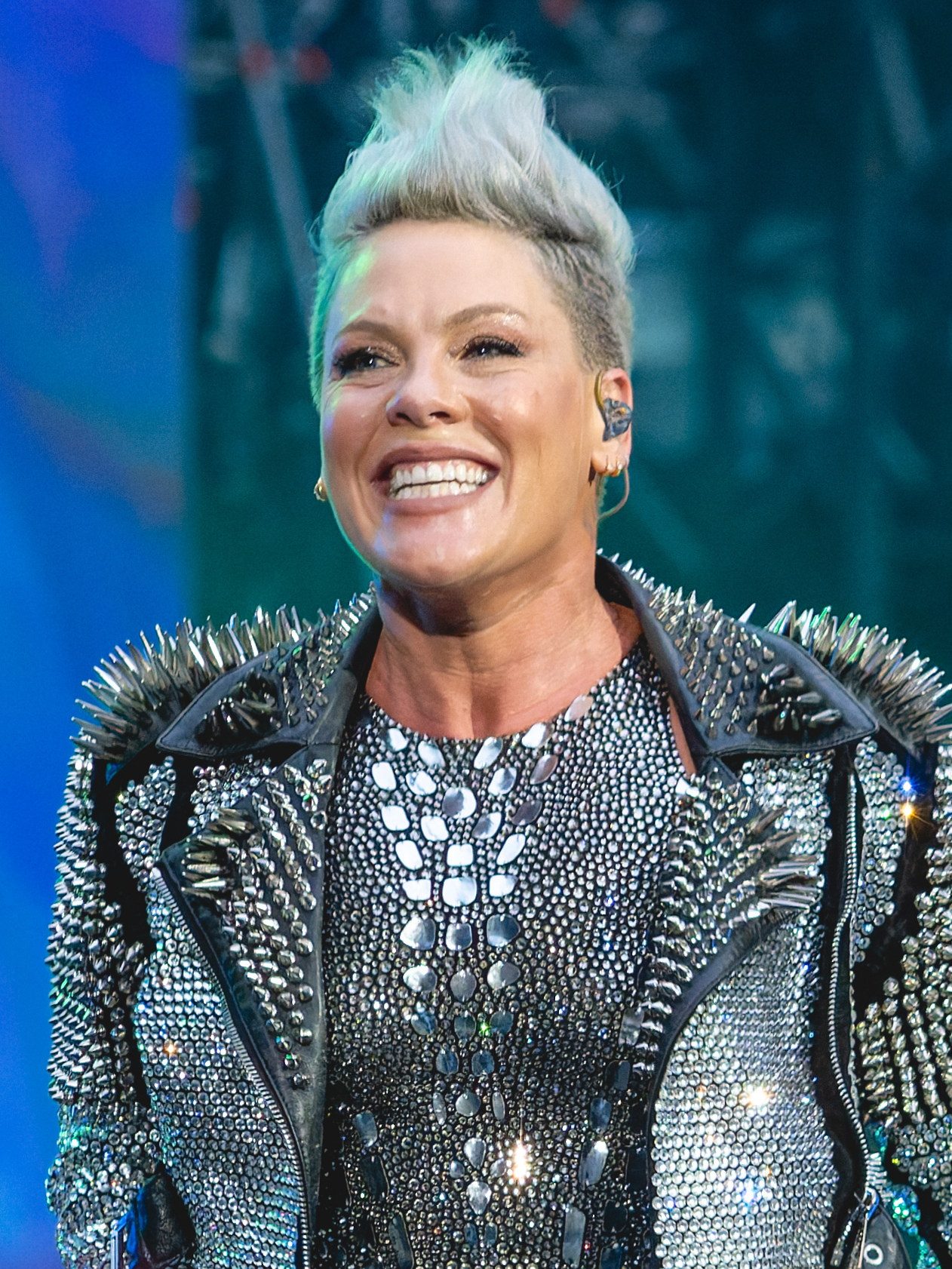
When Pink looked across the table during her 60 Minutes interview and admitted, “I nearly lost everything at fifteen,” it landed as more than a celebrity revelation. It was a stark reflection of a quiet, ongoing crisis—one that claims young lives long before their talent or worth is ever recognized.
Before the awards, sold-out arenas, and global fame, she was Alecia Moore, a struggling teenager growing up in Doylestown, Pennsylvania. In 1995, on Thanksgiving night, her emotional turmoil reached a devastating peak. Pink has since shared that she overdosed on a lethal mix of drugs, including ecstasy, PCP, and crystal meth. She was only 15 years old, and the night came dangerously close to ending her life. At that age, she wasn’t seen as a child in distress, but as a “troublemaker” written off by the adults around her.

Pink has spoken openly about the chaos that fueled her downward spiral. Her early years were defined by constant tension at home, emotional volatility, and a deep sense of being unheard. Rather than asking what she was going through, people labeled her as the problem. That lack of understanding, she has said, nearly proved fatal.
The overdose wasn’t about rebellion or recklessness—it was about despair. Pink has described the experience as brushing against death, a moment that forced a painful awakening. Recovery didn’t instantly bring success, but it did open a fragile door forward. Soon after, she was given the chance to perform at a local hip-hop club, under one condition: stay clean. For the first time, someone recognized her talent instead of judging her behavior. She chose music, and it became her lifeline.
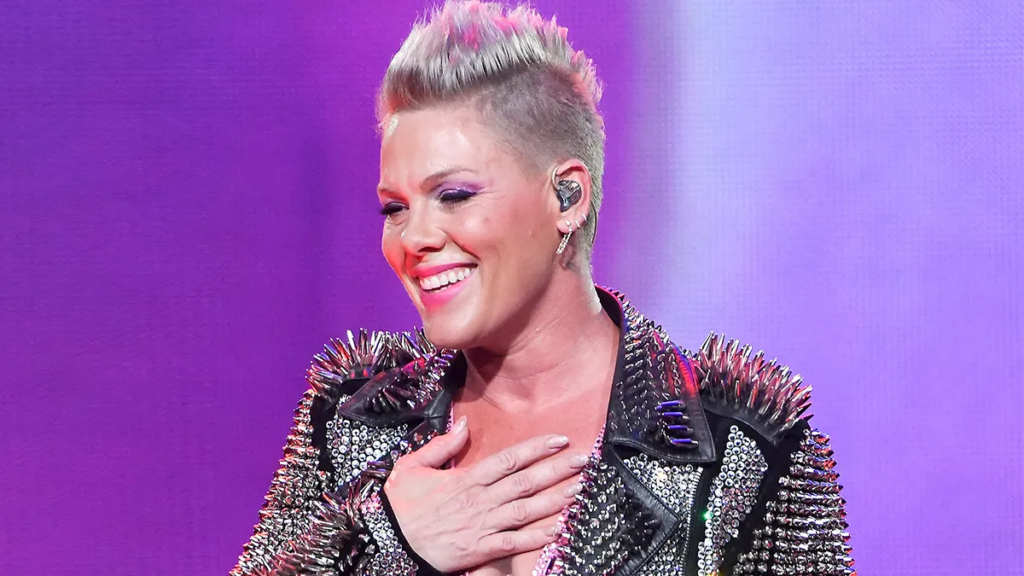
That choice shaped the artist the world would come to know. Her breakthrough album M!ssundaztood rejected glossy pop ideals in favor of brutal honesty. Tracks like “Just Like a Pill” confronted addiction, rage, and institutionalization head-on. The album resonated deeply, selling more than 15 million copies worldwide—not because it was flawless, but because it was real.
Honesty has remained the foundation of Pink’s career. With “Family Portrait,” she laid bare the emotional damage of growing up in a fractured home, giving voice to countless children who felt unseen. Her later achievements, including the record-breaking Beautiful Trauma World Tour, one of the highest-grossing tours ever by a female solo artist, proved that audiences crave truth more than illusion.

Speaking with Cecilia Vega, Pink emphasized that her story is far from rare. It is a cautionary tale. She argued that society still too often chooses to punish, medicate, or dismiss struggling teenagers instead of truly listening to them. The kids branded as “difficult” or “out of control” are often the most emotionally perceptive—and the ones with the greatest untapped potential.
Pink didn’t just escape her past; she transformed it into purpose. Nearly thirty years after that Thanksgiving night, her story remains a powerful reminder: ignoring teenage pain doesn’t make it go away. It only postpones the consequences—until heartbreak becomes a headline.