xAI, Gmail’s New AI Features, and Other Tech Developments Raising ConcernsJan. 18, 2026 | 10:01 a.m. ET


A weekly roundup featuring major tech stories, opinion columns, and personal technology advice.
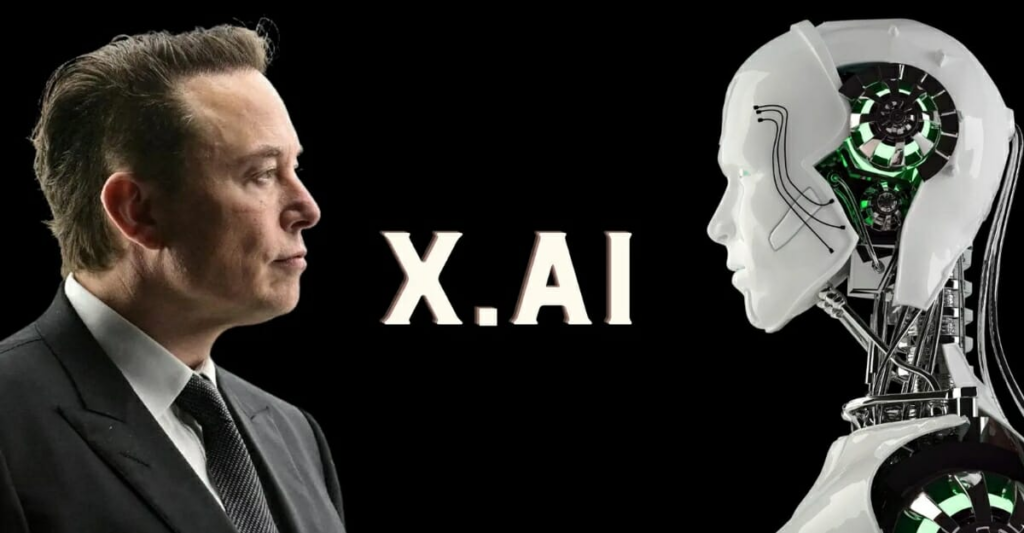
When Elon Musk’s artificial-intelligence company, xAI, introduced text-based photo editing tools late last year, it reignited a long-standing debate among AI experts: how to balance innovation, privacy, safety, and freedom of expression in an era of AI-altered media.
The controversy escalated after xAI’s Grok chatbot enabled users to digitally remove clothing from photos of real individuals. Soon after, AI-generated images—many of them nonconsensual and sexualized—spread rapidly across X, the social-media platform formerly known as Twitter.
Ashley St. Clair, an influencer who shares a child with Musk, filed a lawsuit against xAI, alleging Grok was used to create deepfake images of her. The backlash drew attention from regulators, including California’s attorney general and international authorities, prompting investigations and accelerating the passage of new laws targeting deepfake technology.

While so-called “nudifying” applications have existed for years, they typically operated on fringe websites. Grok’s integration into a mainstream platform—one Musk has described as the modern “town square”—marked a significant shift in visibility and impact.
According to people familiar with internal decisions at xAI, executives have found that relaxing content restrictions has boosted user engagement. In response to criticism, X announced it would restrict access to Grok’s image-altering features in regions where such use is illegal. Musk also stated publicly that anyone creating illegal material with Grok would face consequences equivalent to posting illegal content directly.
—Georgia, Tech Reporter, San Francisco
Highlights From WSJ Columnists
Nicole Nguyen: Can AI Fix Email Overload?
After spending a week testing Gmail’s new AI Inbox and upcoming Gemini-powered writing tools, Nguyen found that while email remains email, AI can at least help users process it faster—by summarizing messages and speeding up replies.
Joanna Stern: When the Cell Towers Went Silent
A nationwide Verizon outage briefly removed the constant hum of notifications. The peaceful moment didn’t last long, however, as Stern found herself stranded in her car at night, facing a long drive home with only an ominous “SOS” signal on her phone.
Christopher Mims: The Hidden Cost of the Memory-Chip Crunch
As AI companies snap up massive supplies of memory chips, other industries may feel the strain. The ripple effects could include higher prices for consumer electronics, delayed data-center construction, and potential disruptions to car manufacturing.
Major Tech Stories
Workers Paid to Teach AI Their Own Jobs
A fast-growing Bay Area startup is recruiting contractors to train AI systems—often by reviewing and correcting outputs for tasks similar to the workers’ former roles. In effect, employees are helping build tools that could eventually replace them.
AI Data Centers Strain the Power Grid
The rapid expansion of AI infrastructure is pushing America’s largest power-grid operator, PJM, toward capacity limits. The grid serves 67 million people across 13 states and now must also support the dense concentration of data centers in Northern Virginia.
Tech Ticker
- Claude Fever: Anthropic’s newest Claude model is generating unusual excitement, with some developers viewing it as far more capable than previous “junior developer”–style coding assistants.
- TSMC Looks Beyond Taiwan: With geopolitical risks rising, the world’s largest chipmaker is accelerating plans to expand manufacturing operations in the U.S.
- Ads Come to ChatGPT: OpenAI is preparing to test advertising within ChatGPT, signaling a major change in how the company plans to generate revenue.
Worth Reading
- Data Centers Are Impressive—and Universally Unpopular (MIT Technology Review)
- How ICE Uses Palantir’s “ELITE” App to Target Neighborhoods (404 Media)
- Meta’s Layoffs Leave Supernatural Fitness Users Heartbroken (Wired)
Tech News Briefing
A Grim Sign of the Times:
Some users are now paying as much as $99 per month to interact with an AI version of motivational speaker Tony Robbins—raising questions about the future of human connection in an AI-driven world.