R1 “HE’S AN ABSOLUTE IDIOT” — ELON MUSK CALLS FOR THE FIRING OF EUROPE’S TOP BUDGET AIRLINE CEO OVER A $1 PER PASSENGER DISPUTE

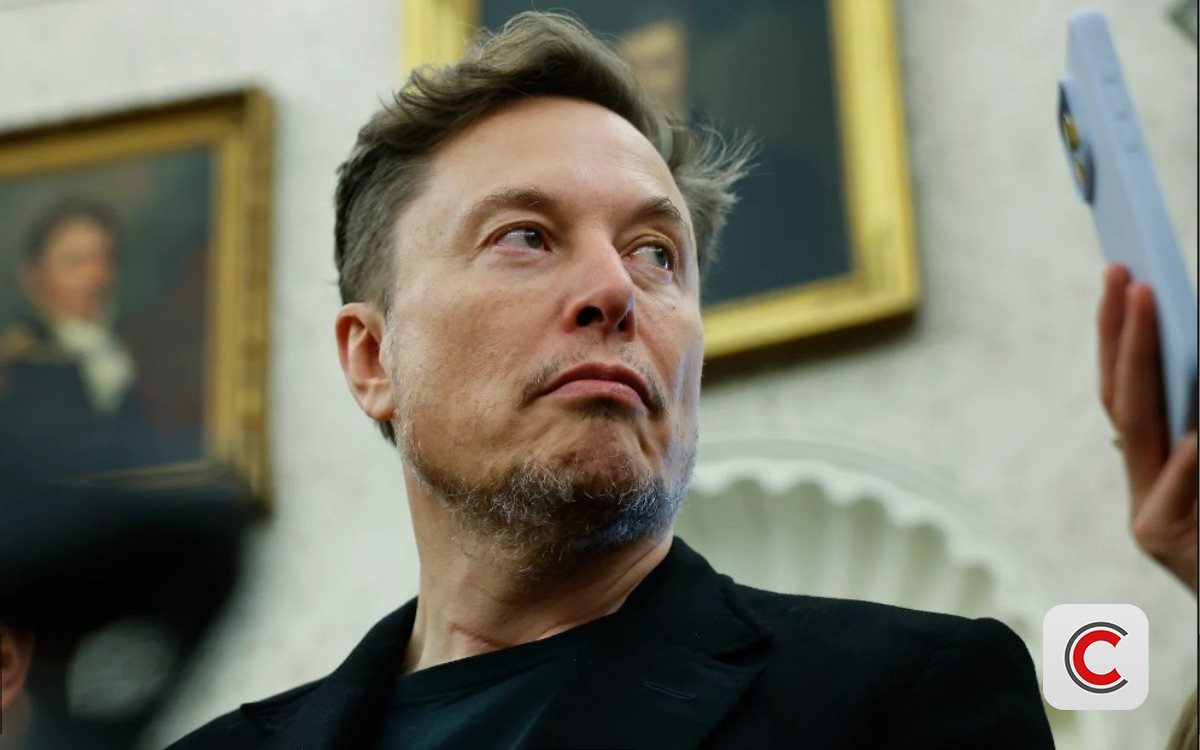
The war of words surrounding the cost of installing Starlink satellite internet on flights has led to a heated exchange between Elon Musk and Ryanair CEO Michael O’Leary.
“He’s an idiot!” – That’s what Michael O’Leary, the billionaire CEO of Ryanair, said about Elon Musk. Immediately, the Tesla boss also called O’Leary a “big idiot,” responding with a call to fire the man who had led Europe’s number one low-cost airline for three decades.
According to Business Insider (BI), the clash between Starlink and Ryanair was not just a war of words, but a lesson in defining value in business.
Who is right?
It all started when Starlink (SpaceX’s satellite internet service) began landing on major airlines. Recently, Lufthansa (Germany) and Scandinavian Airlines officially launched Starlink. However, Michael O’Leary, the man famous for his “no-frills” policy, is not enthusiastic about it.
CEO O’Leary bluntly told Reuters: “We don’t believe passengers are willing to pay for Wi-Fi just to use it on an average one-hour flight.”
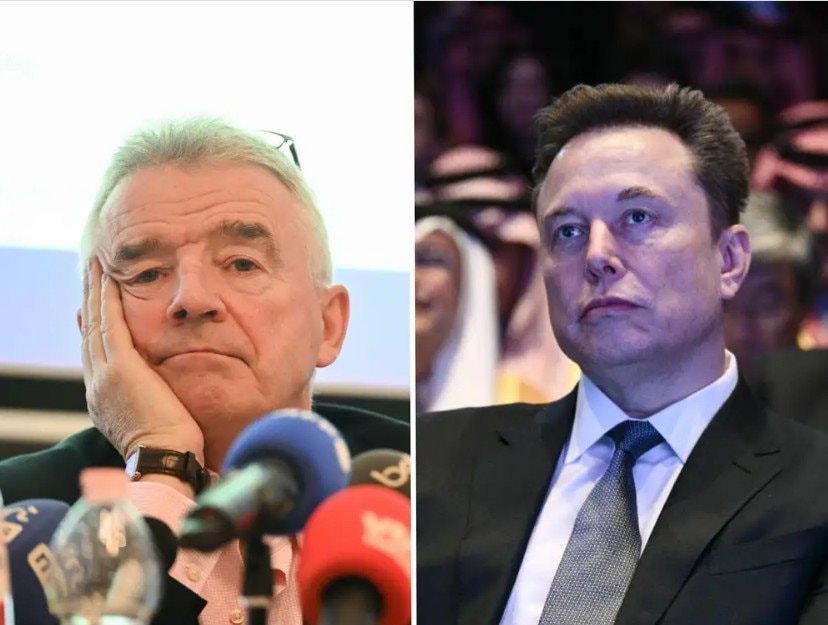
Elon Musk immediately retorted: “Ryanair will lose customers to airlines with internet access.”
The question is, why is O’Leary so vehemently rejecting a technology that is becoming a trend? The answer lies in the numbers.
Speaking on Irish radio, the Ryanair boss said that installing Starlink would cost the airline between $200 and $250 million per year.
“In other words, each passenger would have to bear an extra cost of about $1. The reality is we can’t afford that fee,” O’Leary asserted.
The CEO believes that: “If the internet is free, customers will use it. But they won’t pay even 1 Euro to use it.”
The feud escalated when O’Leary called Musk an “idiot,” despite acknowledging his wealth. Musk retaliated by calling O’Leary an “utter fool” and demanding, “Fire him!”
The two sides not only debated service costs but also engaged in a technical battle. O’Leary argued that installing antennas on the aircraft’s fuselage would increase weight and drag, leading to a 2% increase in fuel consumption.
Immediately, Michael Nicolls, Vice President of Engineering at Starlink, offered counter-arguments: SpaceX’s analysis of the Boeing 737-800 (Ryanair’s flagship aircraft) showed a fuel consumption increase of only 0.3%.
Elon Musk even added: “There must be a way to bring that number down below 0.1%.”
Compare
BI reports that while low-cost airlines in the US are struggling and gradually shifting to offering more premium services to salvage their finances, O’Leary’s Ryanair is a profitable low-cost airline.
The latest financial figures show that Ryanair’s after-tax profit reached €1.72 billion, marking an impressive 20% increase compared to the same period last year. In stark contrast, its competitor across the ocean, Southwest Airlines of the US, recorded a nearly 20% decline, leaving its profit at a mere $54 million.
This shows that Ryanair’s model, which focuses on extremely low fares (starting from just 15 Euros), rapid flight turnaround, and eliminating unnecessary amenities, is still working incredibly well in Europe.
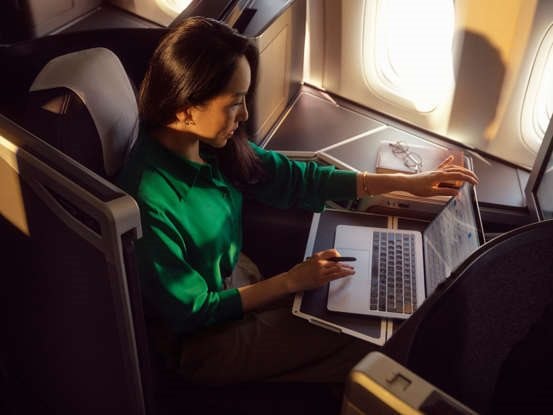
According to O’Leary, adding Starlink is like putting premium leather seats on a budget bus: It doesn’t make the bus go faster, but it certainly increases the fare.
Michael O’Leary has been at the helm of Ryanair since 1994, owning a 4% stake and making him one of Ireland’s wealthiest people. He has no intention of retiring early like Warren Buffett, but neither does he intend to change his core business principles simply because of pressure from Elon Musk.
This battle illustrates an interesting reality in business: the most advanced technology isn’t always the best choice. For a company like Ryanair, which prioritizes low prices, every penny saved is a weapon to beat the competition. For Elon Musk, Starlink is more than just internet; it’s a new standard he wants to impose on the entire industry.
Who is right, who is wrong? Perhaps the wallets of Ryanair’s 206 million passengers each year will provide the most accurate answer.