In March 2005, a hunter stumbled upon something that would haunt an entire community: the burned remains of a child in the woods of Upper Freehold Township. The little girl’s skull was wrapped in cloth, her ribs were broken, and her body had been set on fire. For years, she was known only as “Baby Bones,” an unidentified victim whose life was tragically taken and erased by those who should have loved and protected her.
Her name was Jon-Niece Jones, a 9-year-old girl whose life was brutally cut short long before anyone knew who she truly was. No missing child report had been filed, no one was searching for her, and there were no clues as to who she was or where she came from. Her death went unnoticed by the world, but for the family that should have cared for her, the truth was even darker.
As investigators pieced together the crime scene, they found no signs of any meaningful effort to conceal the body. Jon-Niece’s remains were dumped in the woods, her body set on fire in what appeared to be a final act of cruelty. The perpetrators didn’t even try to hide their crime in a swamp nearby, where evidence could have been concealed. Instead, they left her out in the open, uncaring if she was found, as if her life had never mattered.
Due to the fire, forensic analysis was limited. Full DNA couldn’t be recovered, only fragments of mitochondrial DNA, which were sent to the University of North Texas. For years, Jon-Niece’s face remained a mystery. A clay sculpture, a sketch, and a digital rendering created with the help of the National Center for Missing & Exploited Children were all attempts to bring her face back to life. Yet, no one came forward to identify her, and the case grew cold.
In the absence of leads, investigators began to fear the worst—that Jon-Niece’s disappearance was something far more sinister. They believed she had “disappeared overnight,” with no family reporting her missing. As the case aired on America’s Most Wanted in 2009, hundreds of tips came in, but none led to a breakthrough. The identity of the little girl remained unknown, and for a time, she seemed destined to remain nothing more than a nameless tragedy.
But in 2012, after years of silence, Jon-Niece’s sister, Iyonna, finally spoke up. “That’s my sister,” she said, and DNA testing confirmed the painful truth. Jon-Niece didn’t die in 2005; she had been killed three years earlier, in August 2002, after years of abuse and neglect at the hands of her own mother, Elisha Jones. Her mother had taken her life and, just three months later, passed away herself. But instead of reporting the crime, the rest of the family—her aunt, her uncle, and her aunt’s boyfriend—covered up the murder. They disposed of Jon-Niece’s body, burning it and dumping her bones in the woods. And for years, they kept her name a secret, refusing to speak her name or acknowledge the loss.
The family went on to raise 13 other children, but Jon-Niece’s name was never spoken. No one knew of her existence, and no one questioned the absence of a child who had been erased from their lives. The people who should have protected her, who should have mourned her, turned their backs on her memory, and the child who had been so brutally taken from the world was left to rot in a grave that no one would ever tend.
When the truth finally came to light, arrests were made—but the charges were far from what Jon-Niece deserved. The family members who had hidden her body were charged with tampering with evidence, obstruction, and hindering justice—not with murder. The sentences they received were shockingly light: two years probation, and one year minus a day in jail. The people who had taken a young child’s life and then erased her from existence walked away with little more than a slap on the wrist. The justice system failed Jon-Niece, and the world moved on, leaving her story behind.
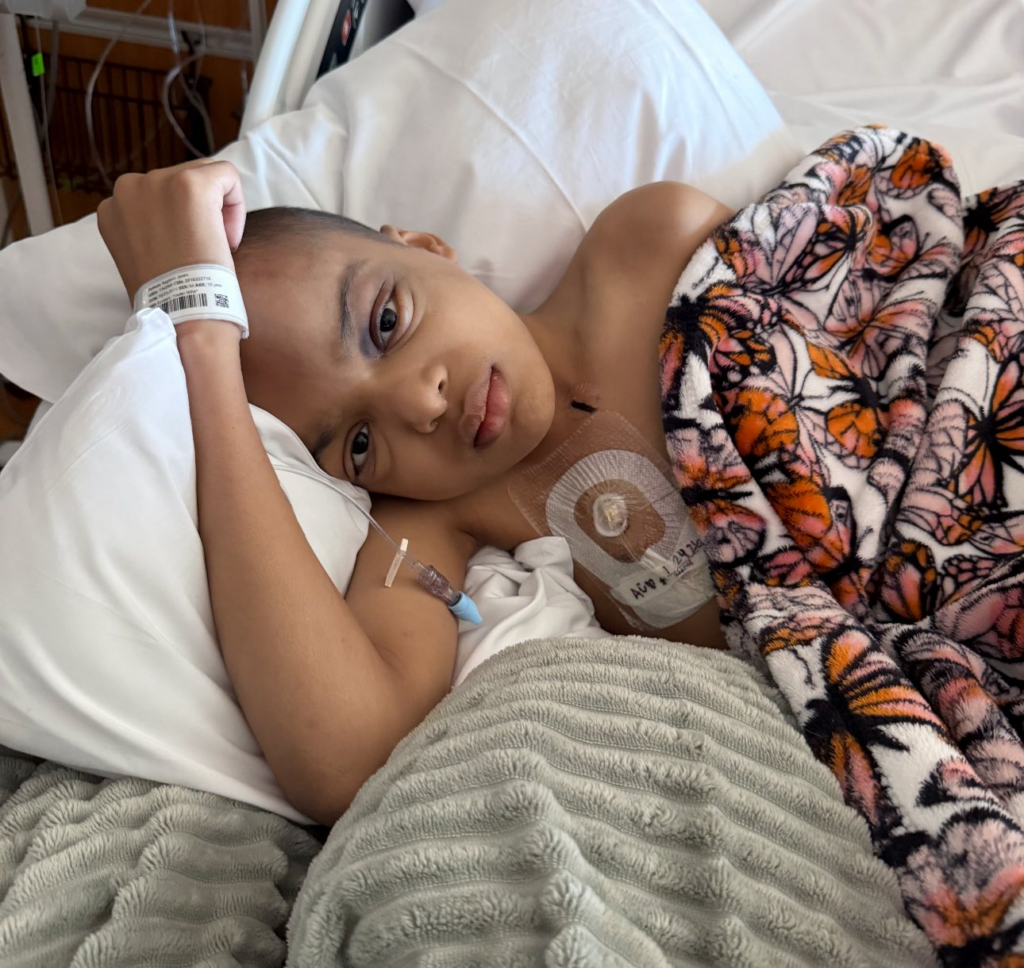
But one person refused to let Jon-Niece’s story fade into oblivion: her sister, Iyonna. In the face of unspeakable grief, Iyonna found the strength to speak out, to make sure her sister’s name was heard, to ensure that Jon-Niece’s life was not erased forever. Without Iyonna’s courage, Jon-Niece would have remained a nameless victim, a tragedy left unacknowledged.
Jon-Niece’s story is a painful reminder of the fragility of life and how easily a child’s existence can be wiped away by those meant to love and protect them. It is a testament to the darkness that can exist behind closed doors, where abuse and neglect take root. But it is also a reminder of the power of one voice—the voice of a sister who would not let her sibling’s memory be forgotten. Iyonna’s refusal to let Jon-Niece’s name vanish is an act of courage that speaks to the strength of family, even in the face of unimaginable loss.
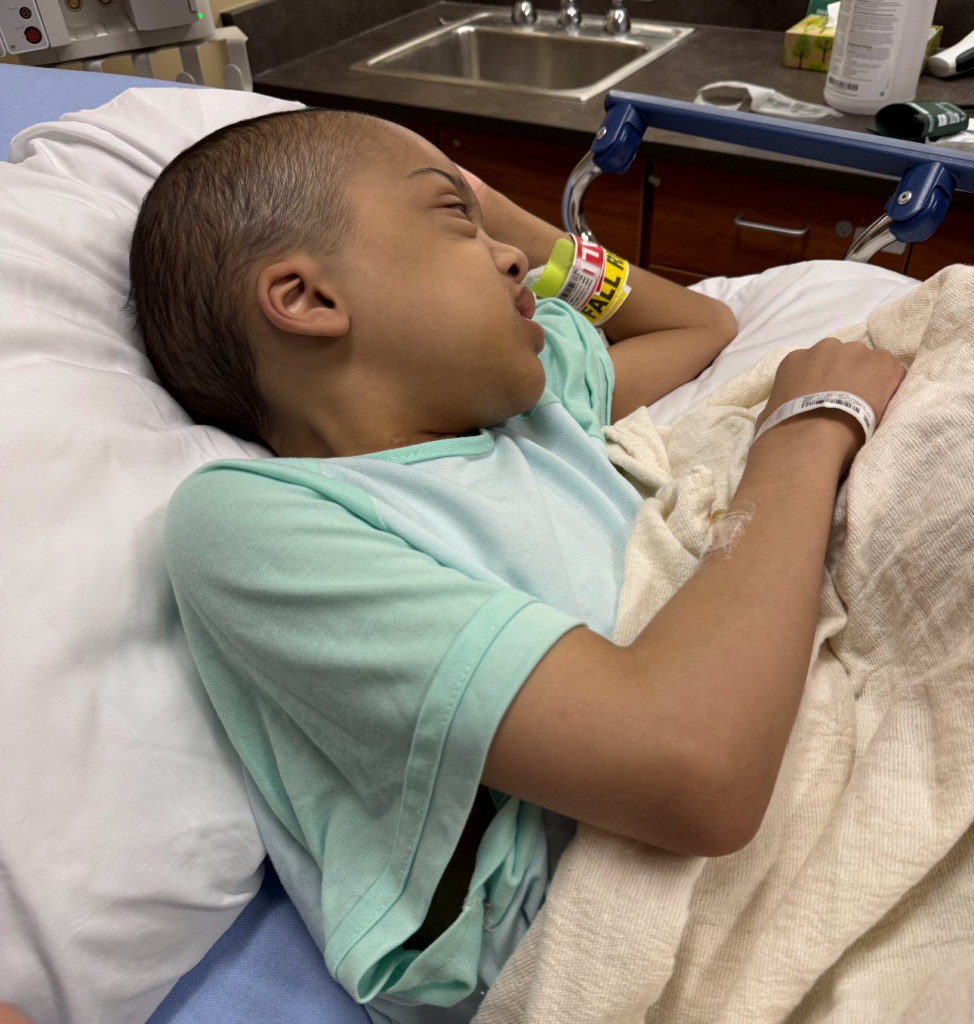
Today, we remember Jon-Niece Jones not as “Baby Bones” but as a little girl who mattered—a daughter, a sister, a child whose life was tragically cut short. Her story may have been buried, but her memory is alive, thanks to Iyonna’s bravery. Let us honor Jon-Niece’s life by telling her story, by ensuring she is never forgotten, and by standing against the cruelty that allowed her life to be erased.
Jon-Niece mattered. She deserved to be loved, to be remembered, and to have her story told. Now, it is up to all of us to make sure she is never forgotten. Share her story, keep her memory alive, and let us stand together for the children who are too often silenced. 💔