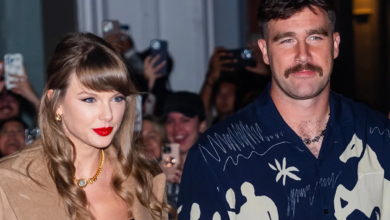
TT Late-Night Hosts Face Fallout After Addressing Alex Pretti Killing; Debates Erupt Over Free Speech, Sponsorship, and Responsibility

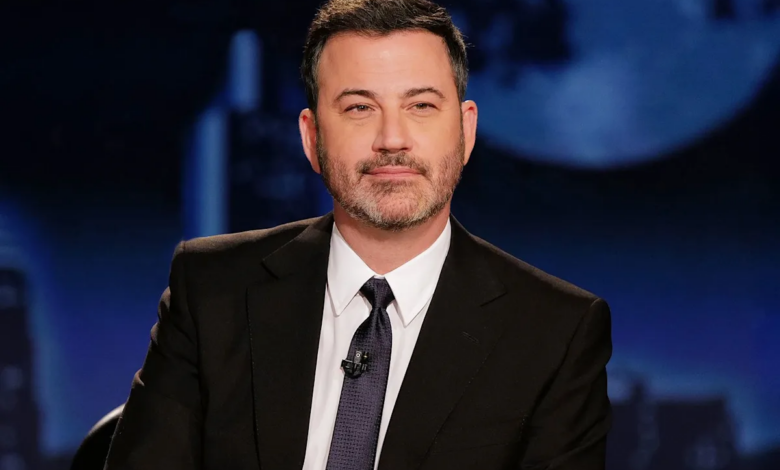
Late-night television’s political commentary has once again sparked national discussion this time after prominent hosts addressed the fatal shooting of ICU nurse Alex Pretti by federal agents in Minneapolis, a case that has dominated headlines and stirred public outrage.
The remarks have reportedly led to tension with advertisers and raised questions about the role of late-night hosts in shaping political debate.
Pretti, a 37-year-old intensive care unit nurse at a Veterans Affairs hospital, was shot and killed by federal immigration officers in Minneapolis on January 24 during an enforcement operation that followed protests over another recent fatal shooting.
His death was ruled a homicide by the Hennepin County medical examiner after he was shot multiple times by Customs and Border Protection officers during a violent confrontation a development that has fueled contentious national debate.
In the wake of the shooting, several late-night hosts – including Jimmy Kimmel and Stephen Colbert – addressed the incident on air, framing it in political context and questioning government and federal law-enforcement conduct.
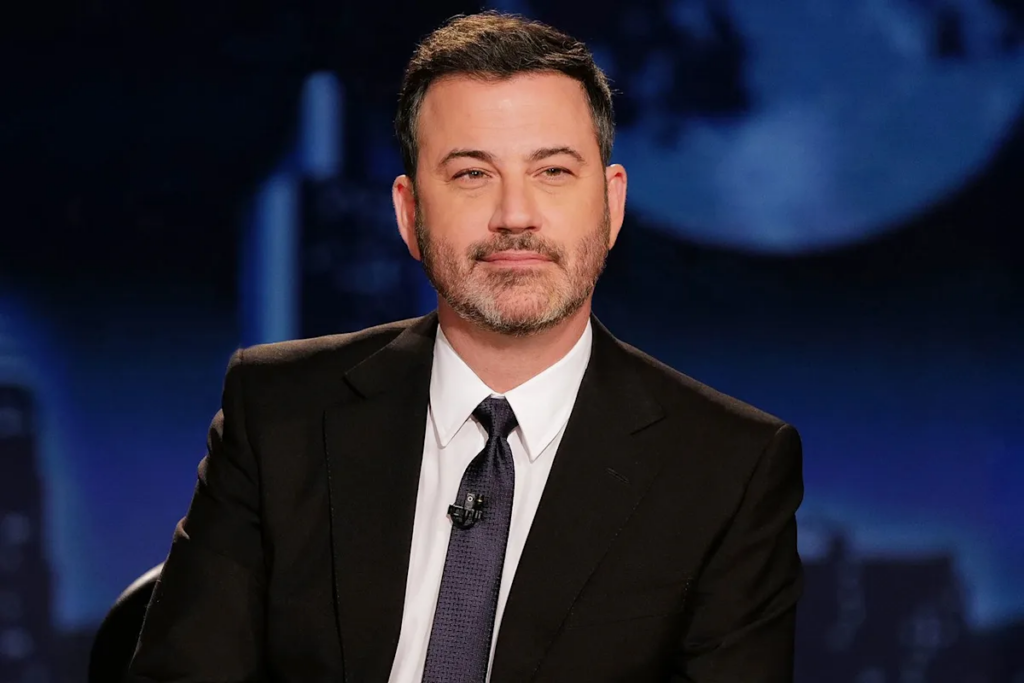
On his show, Kimmel called out the Trump administration’s response and criticized the official narrative around the incident, stating that authorities have been reluctant to acknowledge potential mistakes.
Kimmel’s commentary did more than recount the facts: he framed the shooting as symptomatic of broader failures in federal immigration enforcement, especially after the Department of Homeland Security defended the officers’ actions by suggesting they fired “defensive shots.”
Critics have argued that authorities’ justifications obscure deeper issues about use of force and accountability.
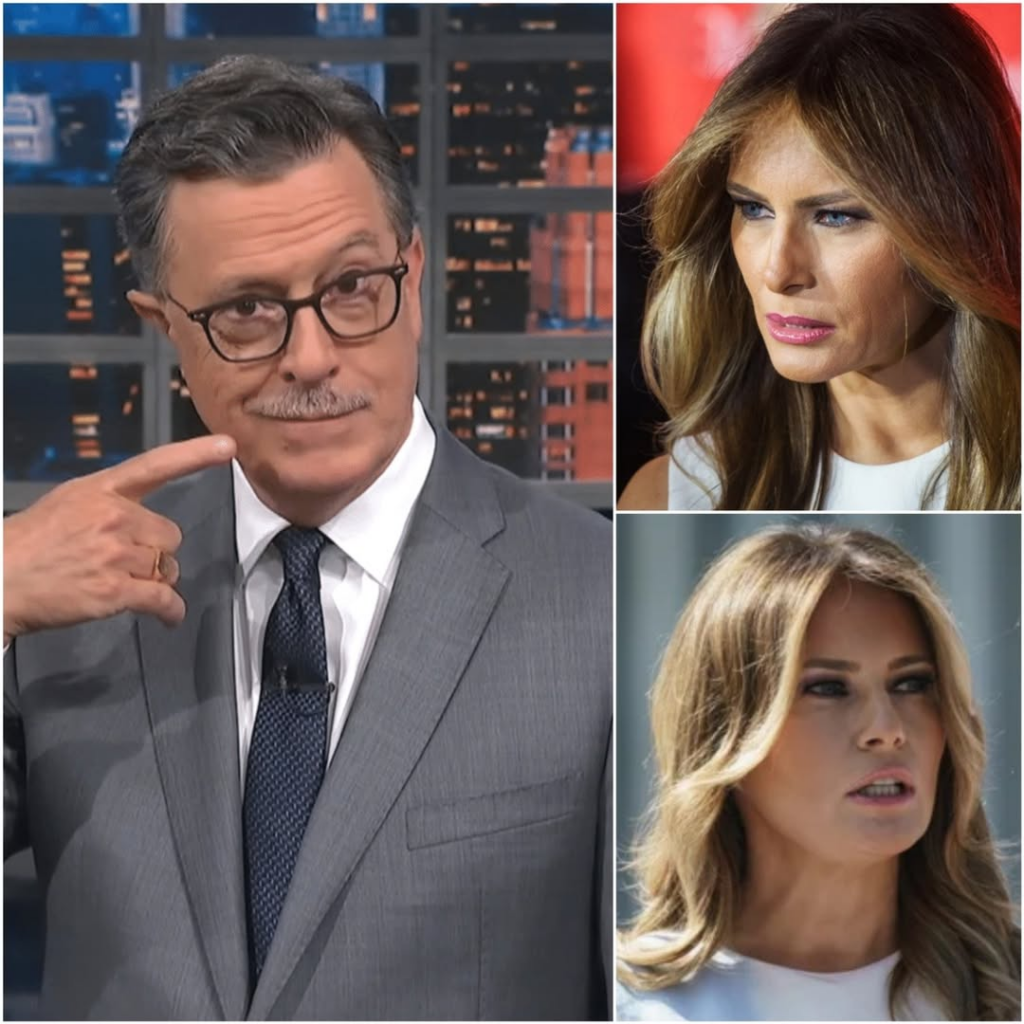
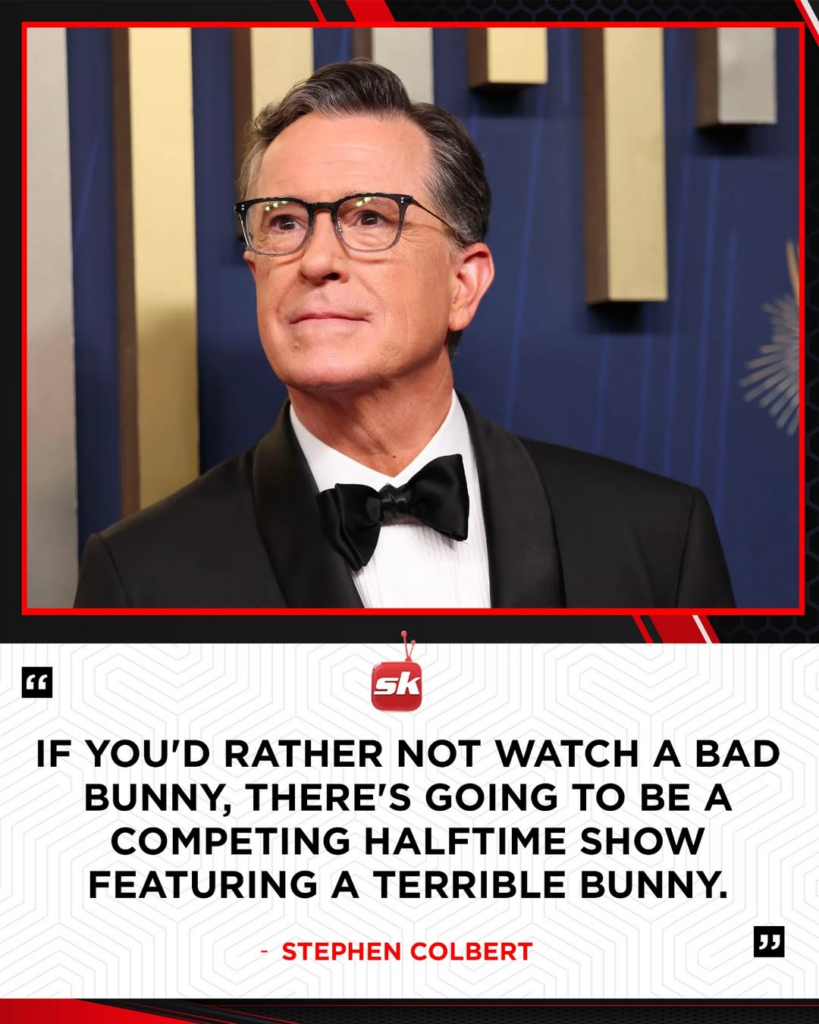
Colbert, similarly, waded into the topic, engaging with the political dimensions of the Pretti case.
By bringing a highly emotional and divisive issue to a national platform, both hosts stepped into territory that many media executives view as fraught, especially as advertisers tend to shy away from controversy that could alienate portions of their consumer base.
According to industry insiders, the fallout was swift: some sponsors reportedly paused or withdrew advertising discussions with the networks following these segments.
Multiple media executives, speaking on condition of anonymity, described the situation as tense, with internal debates over how networks should balance commentary, journalistic responsibility, and commercial considerations.
The conflict highlights an ongoing tension in U. S. media.
Late-night talk shows have increasingly become venues for political critique and advocacy, blurring the line between entertainment and political commentary.
In recent years, hosts have tackled topics ranging from gun violence to Supreme Court rulings to immigration policy.
But segments focusing on live policy controversies fatalities particularly those involving remain sensitive for advertisers and network executives alike.

Public reaction to the hosts’ remarks has been polarised.
Supporters applaud Kimmel, Colbert, and others for speaking out on a story that has drawn significant public interest and protest.
Vigils and demonstrations in honor of Pretti have taken place in cities including Portland and Corpus Christi, where healthcare workers and community members rallied for accountability and a broader conversation about federal enforcement actions.
Many in healthcare communities have characterized Pretti as a dedicated nurse and caregiver.
Tributes have highlighted both his professional contributions and his presence at community protests before his death to help others. describing him as someone who stepped in
However, critics argue that late-night discussions risk oversimplifying complex legal and policy issues.
Some commentators have pointed to footage from the days before Pretti’s death
showing an altercation with federal agents during a protest, emphasizing that narratives should reflect the full range of documented behavior and evidence.
Political figures have also weighed in.
Donald Trump, for example, described Pretti in harsh terms on social media, citing footage of a prior confrontation as justification for federal enforcement a comment that intensified the political battle over how to interpret the incident.
Within the television industry, executives face difficult choices.
Advertisers traditionally seek predictable audiences and avoid controversy that might affect consumer perception.
Yet audiences increasingly expect their favorite hosts to engage with pressing national issues.
The tug-of-war plays out not only in commercial negotiations but in broader discussions about the responsibilities of public figures who command large platforms.
Network insiders say some executives worry that if talk-show hosts continue to tackle volatile topics without restraint, they may risk alienating key advertising partners at a time when the television landscape is already competitive and evolving rapidly.
Others argue that stifling commentary would undermine free expression and diminish the cultural relevance that late-night television has held for decades.
For many observers, the Pretti case represents a convergence of several powerful forces: social movements, political polarization, media economics, and the enduring challenge of how to cover contentious public events with care and accuracy.
At its heart lies a tragic death that has touched many communities and provoked urgent questions about accountability, enforcement, and the role of public discourse.
As networks, sponsors, and audiences continue to grapple with these questions, the incident highlights how deeply intertwined media commentary and public debate have become and how even commercial interests can be affected by the broader currents shaping national conversation.