TT Taylor Swift’s iHeartRadio Speech Turned a Victory Night Into a Lesson About Creativity

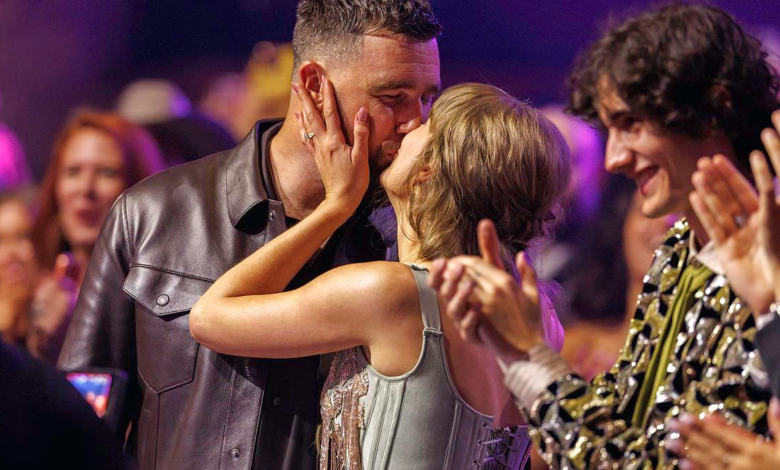
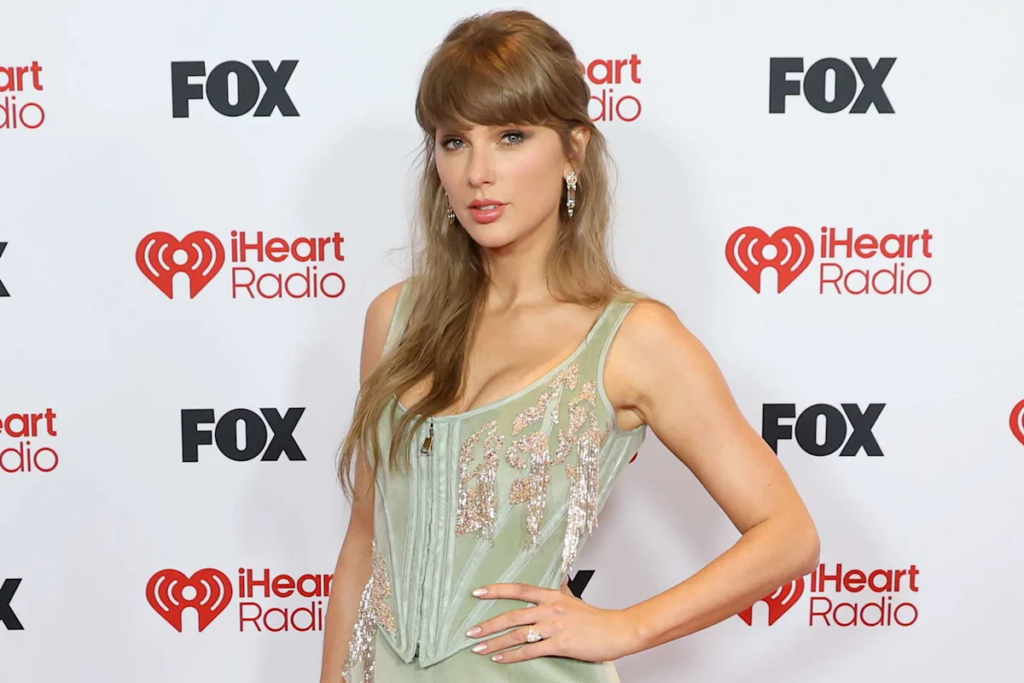
Taylor Swift was named Artist of the Year at the 2026 iHeartRadio Music Awards on Friday, but her biggest moment of the night may have been what she said after accepting the honor. With nine nominations and seven wins, including recognition for her hit album The Life of a Showgirl, Swift used the spotlight to shift attention away from trophies and toward something more lasting: the mental and emotional conditions artists need in order to create well.
Her message was direct and unusually personal for an awards-show speech. “We live in this world where there’s so much immediate feedback constantly… I hope that you get to nurture your hobby and your passion just between you and that craft and you give yourself time. Give yourself time to make mistakes. Give yourself time to hone your craft,” she said. In a culture where every post, lyric, outfit, and public move is instantly judged, the reminder landed with weight.
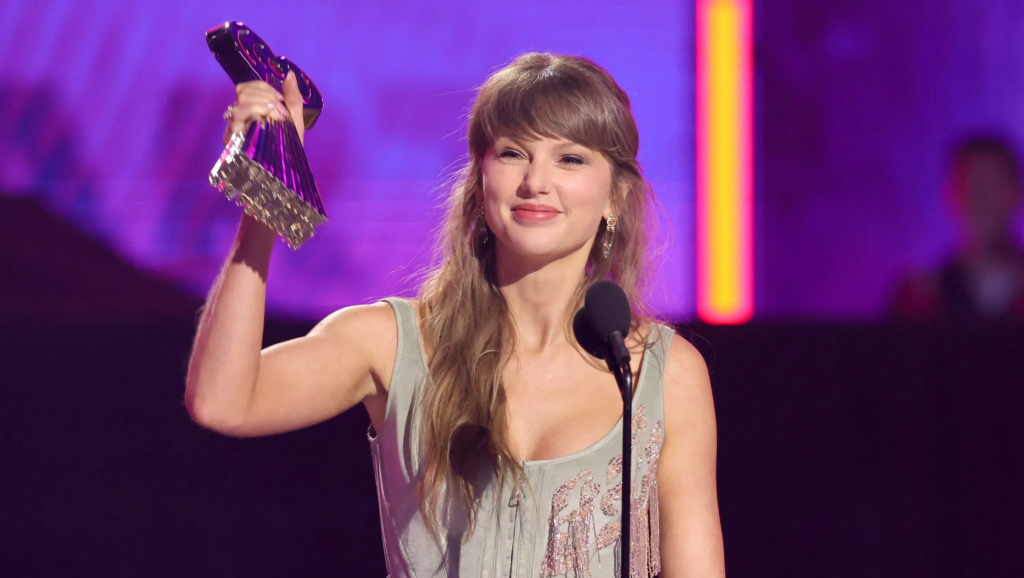
Swift went further, offering one of the night’s sharpest lines: “I am a firm believer that anything you feed your mind, it will internalize. Anything you feed the internet, it will attempt to k*ll. And I don’t want that for your dreams.” The contrast in that statement captures a central tension of modern fame. What artists create for themselves and what the public consumes can be two very different things, and Swift’s warning suggests that the internet can distort the natural process of making art if creators let it dictate their self-worth.
That perspective is part of what has made Swift such a powerful figure in music. She has spent years under intense scrutiny, yet she continues to frame her career around songwriting, patience, and artistic growth rather than pure reaction. Her remarks suggested that success is not just about surviving criticism, but about refusing to let it become the center of the creative process. For younger artists especially, that advice may be as valuable as any award.
There is also something notable about the way Swift framed mistakes. In many industries, mistakes are treated like setbacks to be hidden, minimized, or repackaged. Swift instead described them as necessary. That is an important distinction. To make art, she implied, is to allow room for imperfection, repetition, experimentation, and uncertainty. Without those things, craft becomes performance without depth.
Her speech also reflected a larger reality about the pressure artists face now. Social media has changed the pace of feedback so dramatically that many musicians no longer have the luxury of developing privately. Every demo, every snippet, every comment can become a public verdict. Swift’s advice pushed back against that pressure, encouraging creators to protect the part of the process that happens before public approval, before metrics, and before internet noise.

The fact that she delivered this message on a night when she was also the most celebrated artist in the room gave it extra credibility. It is one thing to speak about patience from the sidelines; it is another to do so from the center of the industry while holding seven awards. That combination made the speech feel less like a polished acceptance and more like a statement from someone who has genuinely lived through the costs of constant visibility.
Swift’s iHeartRadio night was therefore about more than recognition. It was about perspective. She reminded artists that their first responsibility is not to the internet, but to the work itself. If they can protect that space, she suggested, they may be better able to grow into the careers they actually want rather than the ones social media demands of them.
In the end, the trophies mattered, but the message may last longer. Taylor Swift did not just win big at iHeartRadio. She used the moment to argue for something rarer: the right to create without rushing, to fail without being destroyed by it, and to let a dream grow before the world gets to judge it.