TT “Taylor Swift stands beside Travis Kelce in a soft, perfectly fitted dress — nothing extravagant, just effortless chemistry that quietly commands the room.”

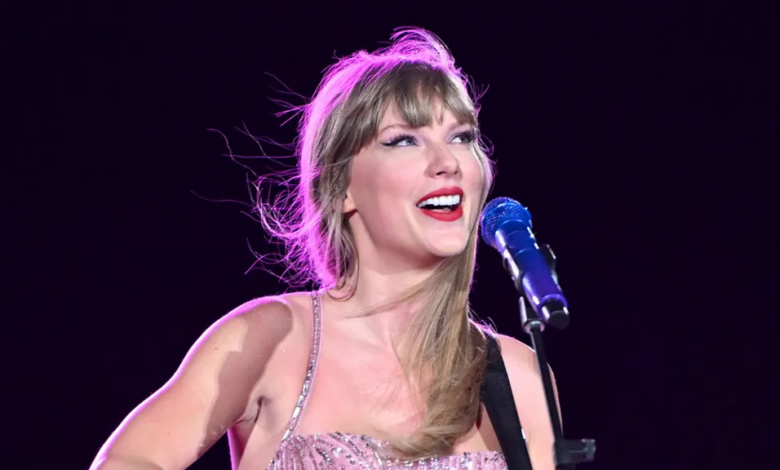
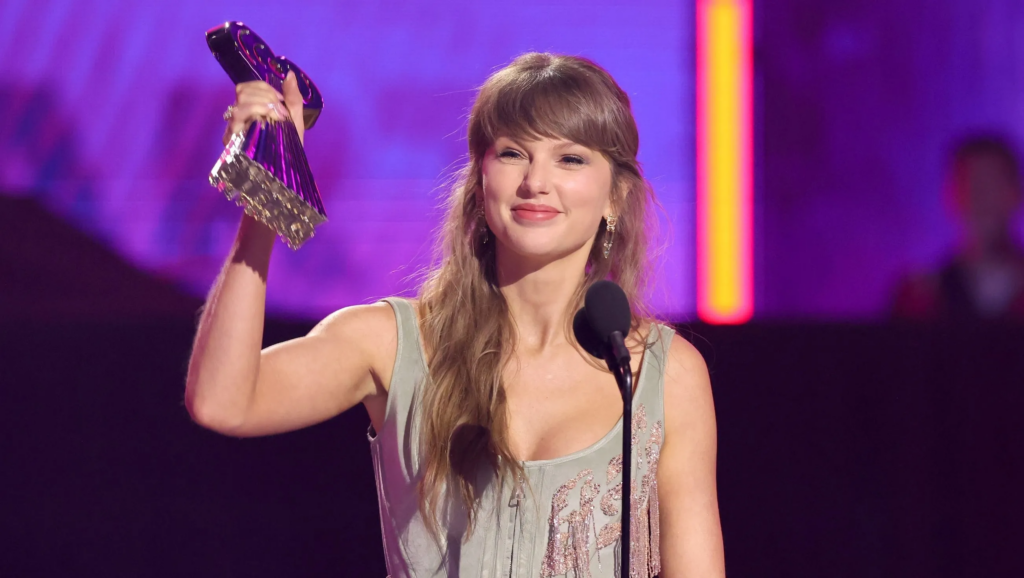
Taylor Swift used one of her biggest nights of the year to deliver something more valuable than a standard acceptance speech: a warning, a lesson, and a piece of hard-earned advice for the next generation of artists. While accepting the award for Artist of the Year at the 2026 iHeartRadio Music Awards, she spoke directly to emerging creatives about protecting their minds, their craft, and their sense of purpose in an era defined by instant reaction.
“I’m a firm believer that anything you feed your mind, it will internalize,” Swift told the crowd. The remark was simple, but it carried the weight of someone who has spent more than two decades living under a microscope. In an industry where every lyric, outfit, interview, and public move can be instantly dissected, Swift’s comment felt especially pointed. Her message was not just about positivity or self-care. It was about survival.
The “Fate of Ophelia” singer specifically called out the toxic “immediate feedback” built into the modern internet, a force that has become even more intense as social media has expanded far beyond what existed when Swift began her career in the early 2000s. Back then, artists still had some distance between creation and public judgment. Today, that distance has nearly disappeared. A song can be mocked before it has time to breathe. A performance can be turned into a meme within minutes. A young artist can begin to believe that the internet’s first reaction is the same thing as the truth.
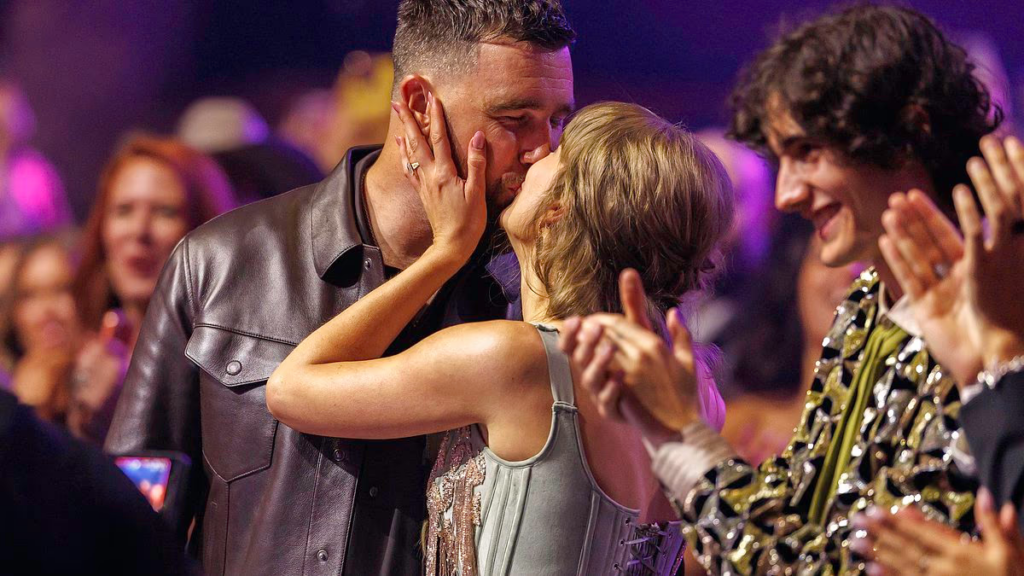
Swift’s warning was aimed squarely at that environment. “If I had one hope for you, I would say that I hope that you get to nurture your hobby and your passion just between you and that craft,” she said. That sentence may be one of the most meaningful pieces of advice an artist can hear now. It suggests that creative growth needs privacy, patience, and room for failure. It also suggests that if a dream is constantly exposed to public opinion too early, it may never develop into its strongest form.
What made the speech especially powerful was the fact that Swift was speaking from the top of the industry, not from a distance. She is not a singer making abstract comments about the pressures of fame. She is one of the most visible, scrutinized, and commercially successful artists in the world. When she talks about the danger of feeding your mind the wrong things, she is speaking from lived experience. She has seen how public narratives can distort self-image, momentum, and confidence.

That is why the speech resonated far beyond the award show itself. It offered an alternative to the modern assumption that every artist must be constantly available, constantly responsive, and constantly measured. Swift’s message pushed back against that idea. She was essentially reminding younger artists that a career is not built in the comments section. It is built in the hours no one sees, in the private drafts, the mistakes, the rewrites, and the quiet work that happens before the public ever gets a say.
Her words also reflect a broader shift in how creativity is being discussed in the digital age. More artists are beginning to acknowledge that visibility is not the same as health, and feedback is not the same as growth. Swift’s remarks fit into that conversation with unusual clarity. She did not denounce the internet outright. Instead, she asked artists to be careful about what they absorb from it and what they allow to shape their dreams.
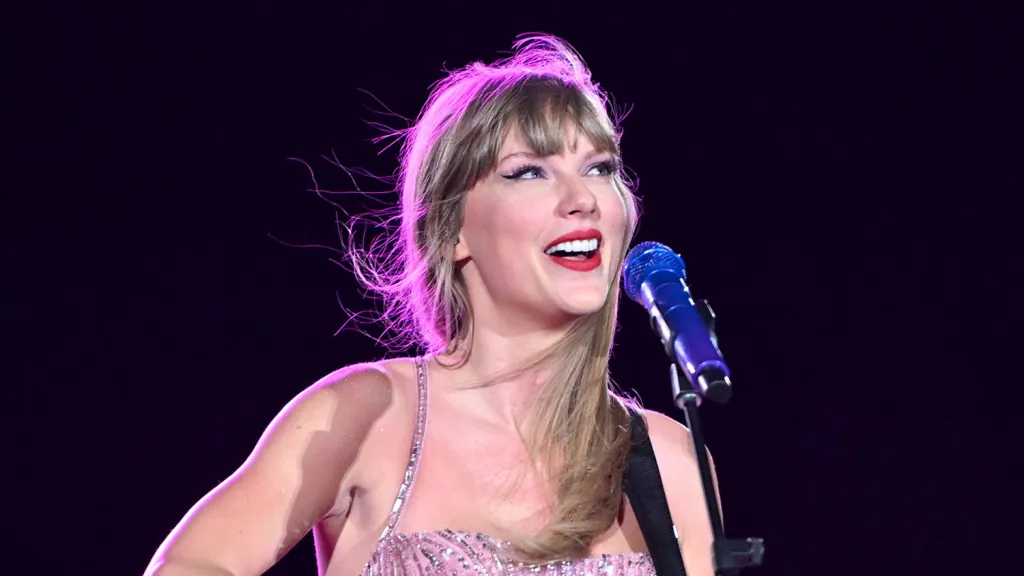
At a ceremony that celebrated her success, Taylor Swift chose to highlight someone else’s future. That decision may have been the most generous part of the night. She used a moment of personal triumph to remind others that art needs room to evolve, that mistakes are part of the process, and that not every dream should be handed over to public opinion too soon.
In a culture that often rewards speed over depth, Swift’s advice sounded almost radical: protect your craft, guard your mind, and let your work grow before the world tries to define it.