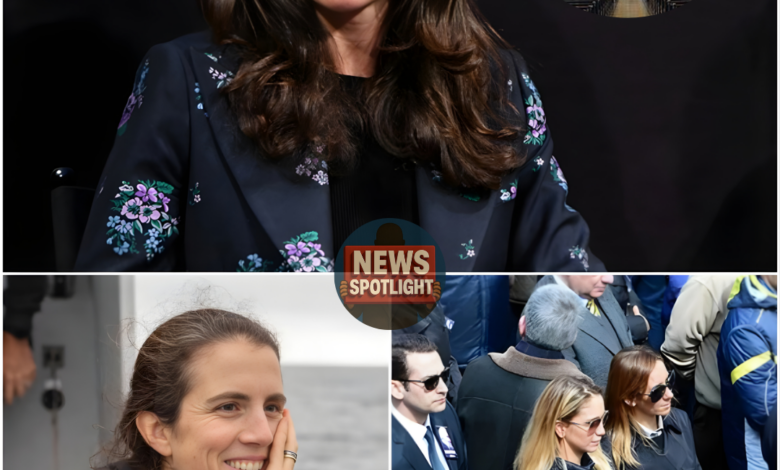
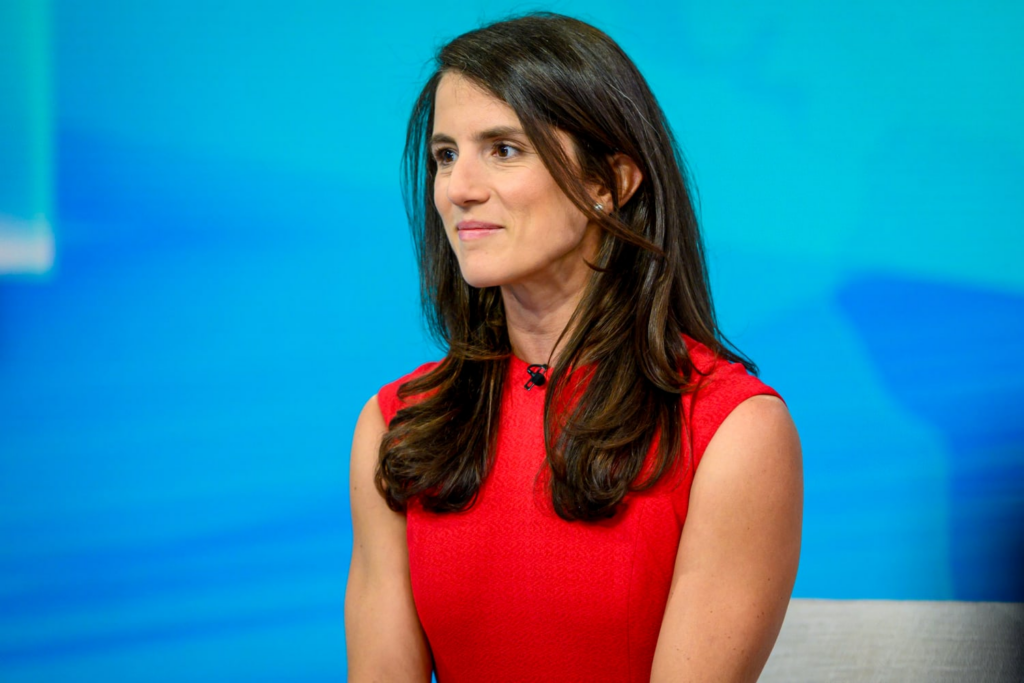
The Kennedy family gathered once again at a familiar New York church, this time under circumstances marked by profound sorrow. On January 5, relatives, friends, and notable figures assembled at the Church of St. Ignatius of Loyola on Manhattan’s Upper East Side to say goodbye to Tatiana Schlossberg, one of the youngest and most thoughtful voices of America’s most famous political family. She was just 35 years old.
The choice of venue carried deep historical meaning. St. Ignatius of Loyola was also the site of the funeral of Tatiana’s grandmother, Jacqueline Kennedy Onassis, in 1994. More than three decades later, the same pews were filled once again—this time to honor a woman whose life, though tragically brief, was defined by intellect, compassion, and courage.
Tatiana was the daughter of Caroline Kennedy and Edwin Schlossberg, and the granddaughter of President John F. Kennedy. Yet those who came to mourn her did so not merely because of her lineage, but because of the person she had become in her own right.
Outside the church, generations of Kennedys were seen arriving quietly, greeting one another with embraces and subdued words. Extended family members, including Kerry Kennedy and Joe Kennedy III, were among the first to arrive, reflecting the close-knit nature of a family long accustomed to public scrutiny and private loss.
Soon after, Tatiana’s immediate family entered the church together. Her parents, Caroline and Edwin, walked alongside her siblings, Rose Kennedy Schlossberg and Jack Schlossberg. Beside them was Tatiana’s husband, George Moran, holding close their two young children—son Edwin and daughter Josephine. Their presence underscored the most heartbreaking aspect of the day: a young family left to navigate life without a wife and mother whose devotion to them had defined her final years.
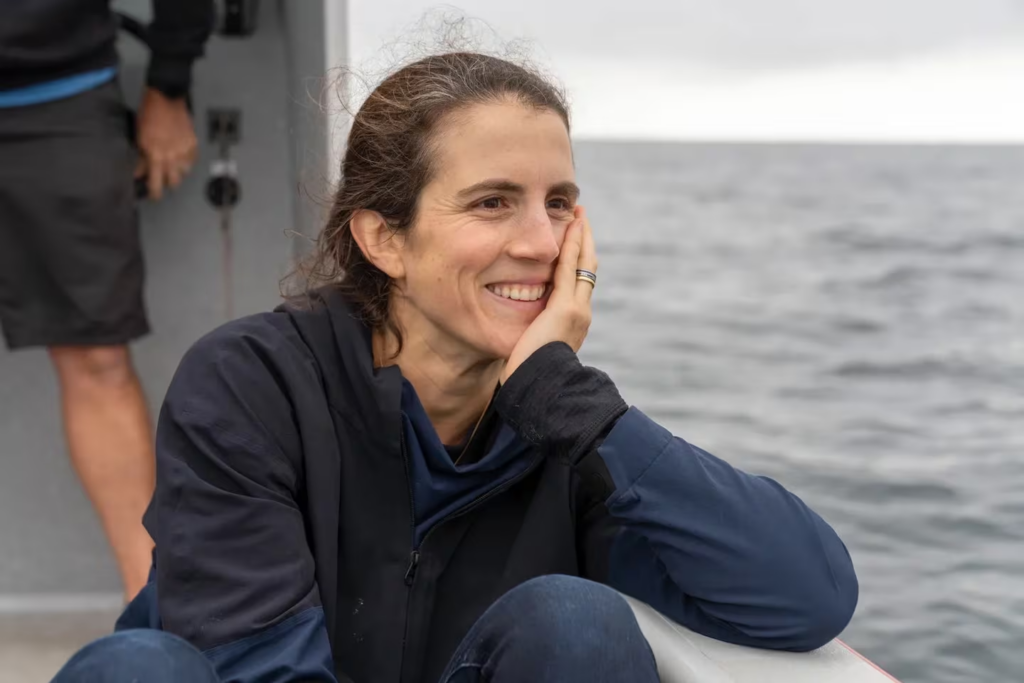
Tatiana passed away on December 30, just one month after publicly revealing in The New Yorker that she had been diagnosed with acute myeloid leukemia. In a deeply personal essay, she described learning of her illness shortly after the birth of her daughter in 2024. The diagnosis came as a shock, particularly because she still felt physically strong—she even recalled swimming a mile late in her pregnancy, unaware that her body was already fighting a life-threatening disease.
Her writing detailed months of grueling treatment, including chemotherapy and a bone marrow transplant. From her hospital bed, she observed how major health policy decisions were unfolding—decisions that directly affected patients like her. With characteristic clarity, Tatiana connected her personal struggle to broader systemic issues, demonstrating the same analytical rigor that defined her work as a journalist.
News of her death was first announced by the John F. Kennedy Presidential Library and Museum, which released a statement on behalf of the family. “Our beautiful Tatiana passed away this morning. She will always be in our hearts,” the message read, signed by her husband, children, parents, and siblings. The words were simple, but they conveyed a depth of loss that resonated far beyond the Kennedy circle.
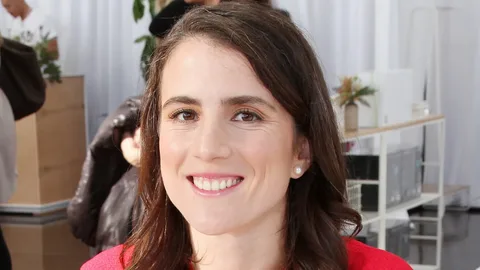
Among the mourners inside the church were figures who knew Tatiana through her professional life and friendships. Late-night television icon David Letterman attended quietly, as did renowned fashion designer Carolina Herrera, who had created Tatiana’s wedding dress. Also present was David Remnick, who had publicly praised her bravery in sharing her cancer journey with readers around the world.
Beyond her illness, Tatiana led a rich and purposeful life. She earned a degree in history from Yale University and a master’s degree in American history from University of Oxford. She went on to work as an environmental journalist, focusing on issues of conservation and climate change. Before her diagnosis, she was planning a major research project on ocean conservation—work she deeply hoped to continue.
In her essay, Tatiana wrote movingly about motherhood. She shared how proud she was that her young son knew her as a writer who cared deeply about the planet, and how painful it was that her illness prevented her from fully caring for her infant daughter during those crucial early months, due to the constant risk of infection.
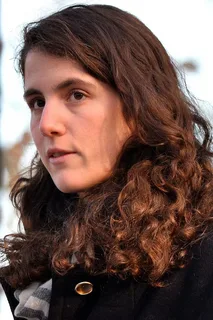
On the morning of the funeral, the JFK Library Foundation shared a recent photograph of Tatiana and George with their children, taken on Martha’s Vineyard in September. The caption read simply: “As they remember Tatiana and celebrate her life, their hearts are with her family and everyone who loved her.”
In the end, Tatiana Schlossberg’s story is one of courage, intellect, and love. A young mother, scholar, and advocate, she faced an unthinkable diagnosis with honesty and grace. Her family’s quiet, united presence at that Park Avenue church served as a powerful reminder that while her life was far too short, the impact she leaves behind—through her words, her values, and her example—will be felt for many years to come.