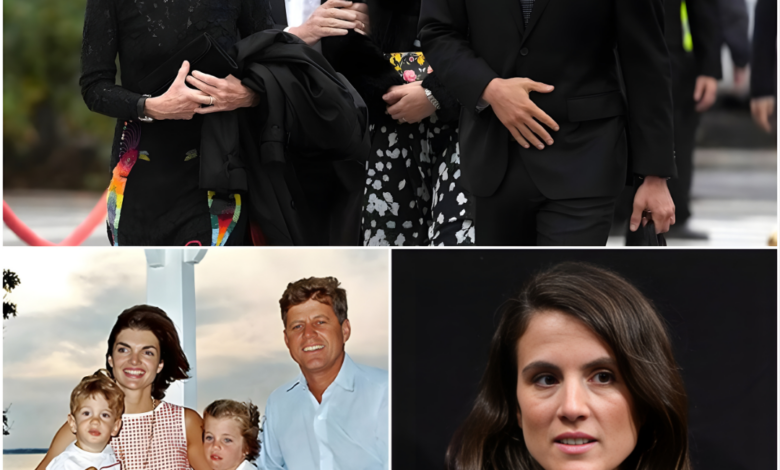

The Kennedy family has long lived under the shadow of history, a lineage marked by public service, national tragedy, and private grief. On December 30, 2025, that shadow lengthened once more with the death of Tatiana Celia Kennedy Schlöberg, an environmental journalist, author, mother of two, and the granddaughter of John F. Kennedy. She was 35 years old.
Tatiana died after an 18-month battle with a rare and aggressive form of leukemia, leaving behind a body of work defined by intellectual rigor, humility, and moral clarity—and a final essay that reverberated far beyond the boundaries of journalism. Published in The New Yorker just weeks before her death, the piece served both as an unflinching meditation on mortality and a fierce rebuke of her cousin, Robert F. Kennedy Jr., whose political ascent she described as an embarrassment to their family and a danger to public health.
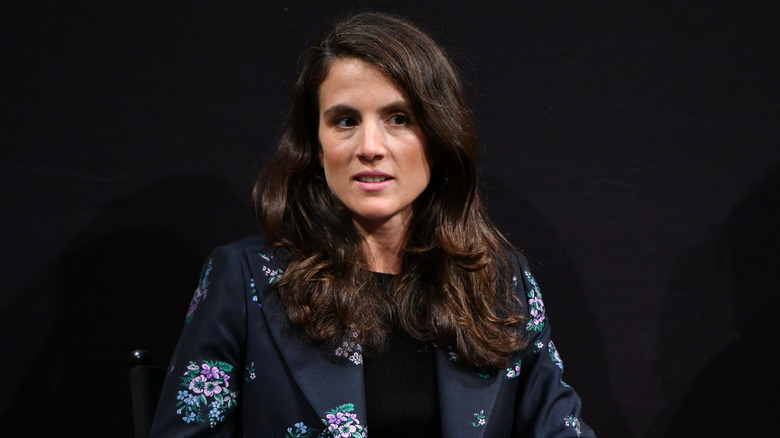
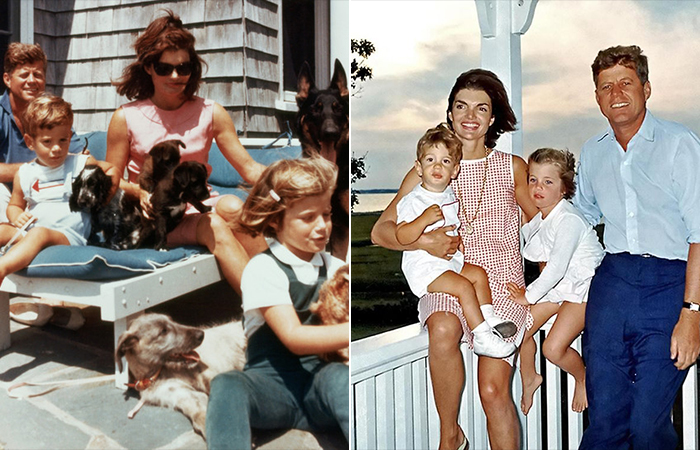
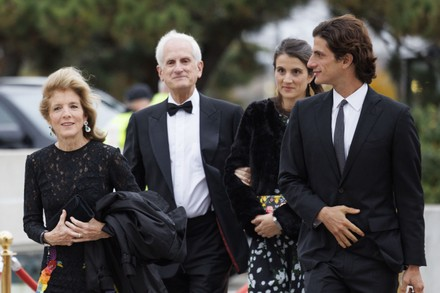
Born on May 5, 1990, in New York City, Tatiana was the daughter of Caroline Kennedy, the only surviving child of President Kennedy and First Lady Jacqueline Kennedy Onassis, and Edwin Schlöberg. Alongside her siblings, Rose and Jack, Tatiana was one of just three grandchildren JFK lived to know—a distinction that came with both privilege and inherited sorrow.
That sorrow arrived early. Caroline Kennedy was only five years old when her father was assassinated in Dallas in 1963. Five years later, her uncle, Senator Robert F. Kennedy, was killed while campaigning for the presidency. In 1999, Tatiana’s uncle, John F. Kennedy Jr., died in a plane crash off Martha’s Vineyard. Tragedy was not a chapter in the Kennedy story—it was a recurring theme.
Yet Tatiana’s upbringing was intentionally shielded from spectacle. Raised largely outside the public eye, she attended the Brearley School and Trinity School in Manhattan before enrolling at Yale University. There, she earned a bachelor’s degree in history, served as an editor at the Yale Herald, and later completed a master’s degree in American history at Oxford University.
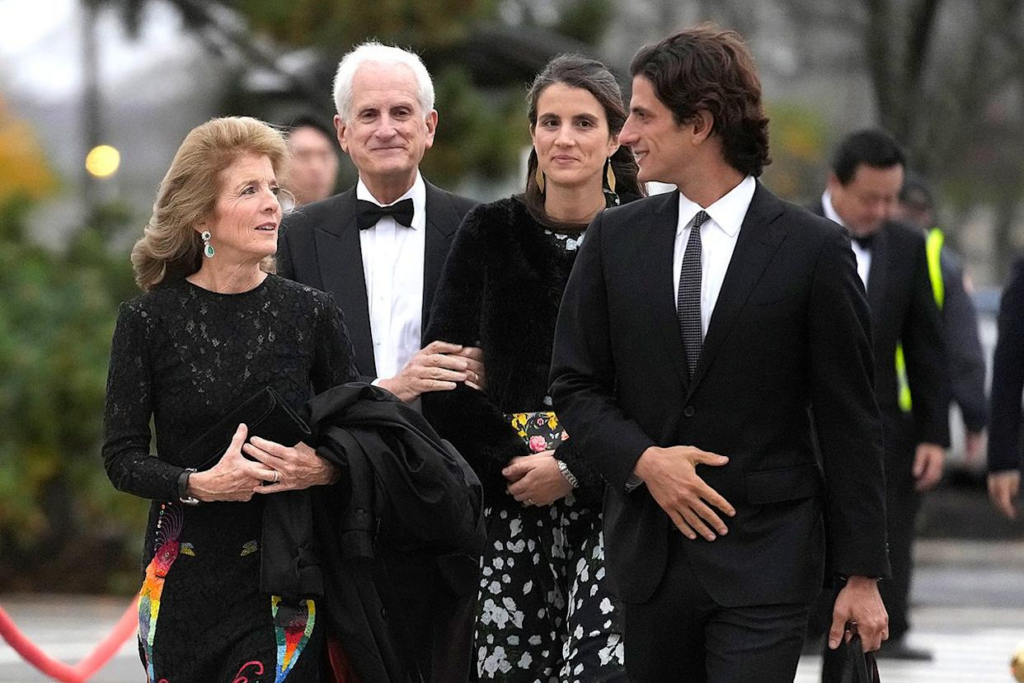
Journalism became her calling. She began her career covering local news in New Jersey, reporting on everything from neighborhood disputes to Hurricane Sandy’s aftermath. Her talent was quickly recognized, earning her Rookie of the Year honors from the New Jersey Society of Professional Journalists. In 2014, she joined The New York Times, where her reporting shifted toward science and climate change—subjects she approached with both intellectual precision and narrative grace.
In 2019, Tatiana published her acclaimed book Inconspicuous Consumption, which explored the hidden environmental costs of everyday life. The book earned the Rachel Carson Environment Book Award and praise for its ability to educate without despair, empowering readers rather than overwhelming them.
Tatiana lived as intensely as she worked. A dedicated athlete, she ran long distances through Central Park, swam miles across the Hudson River for charity, and once completed a grueling seven-hour cross-country ski race for a story. In 2017, she married George Moran, a physician and academic, at her family’s Martha’s Vineyard estate. Together they built a life in New York City and welcomed two children: a son, Edwin, and later a daughter, Josephine.
Then, in May 2024, everything changed.
One day after swimming a mile while nine months pregnant, Tatiana gave birth to her daughter. Routine blood tests revealed catastrophic abnormalities. She was diagnosed with acute myeloid leukemia with a rare genetic mutation—an especially aggressive form of the disease with bleak survival odds. Treatment was immediate and brutal: chemotherapy, bone marrow transplants, clinical trials, and prolonged hospitalizations.
Despite brief remission, the cancer returned. Complications followed. By October 2025, Tatiana’s doctors told her they could likely keep her alive for a year.
Instead of retreating, she wrote.
Her New Yorker essay, titled A Battle With My Blood, was published on November 22, 2025—the 62nd anniversary of her grandfather’s assassination. In it, she confronted the unbearable reality that her children might never remember her. She wrote of missing her daughter’s infancy, of being unable to hold or care for her due to infection risks, and of grieving a future she would never see.
But grief was not the essay’s only force.
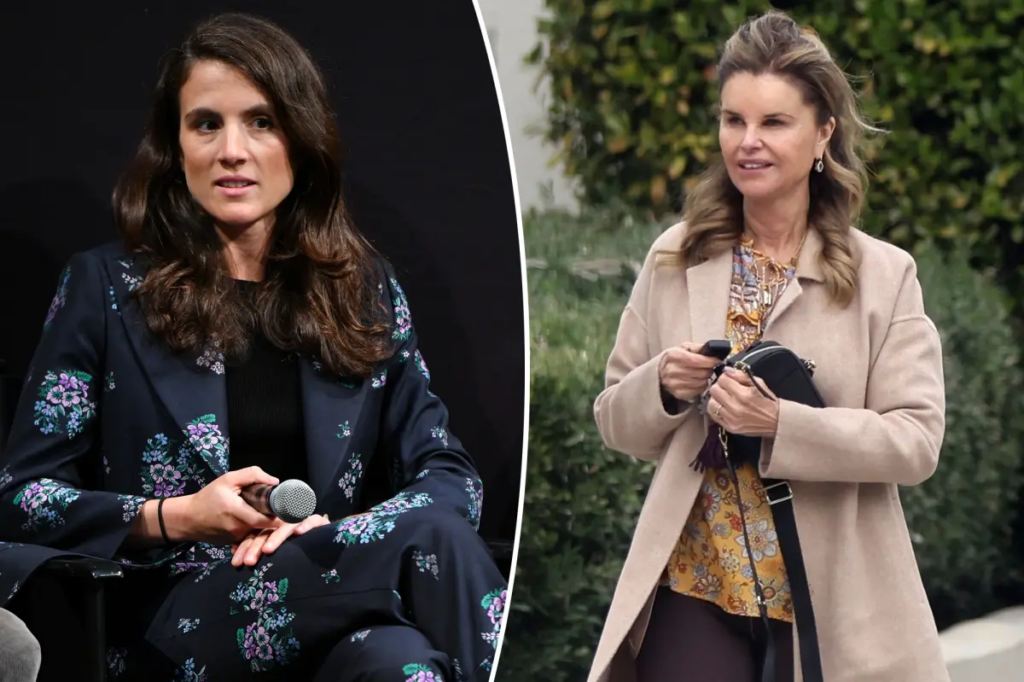
Tatiana also turned her gaze outward—toward power, responsibility, and truth. From her hospital bed, she watched her cousin Robert F. Kennedy Jr. secure confirmation as U.S. Secretary of Health and Human Services despite his long record of vaccine skepticism. She condemned his rejection of medical consensus, warning that his influence threatened the very research funding and clinical trials that represented her own last chance at survival.
Her words were devastating precisely because they were calm, factual, and personal. They were not written out of bitterness, but out of conviction—by someone who had nothing left to lose.
Tatiana Schlöberg Kennedy died on December 30, 2025, surrounded by family. Tributes poured in from journalists, historians, and public figures, all echoing the same sentiment: that she was brilliant, courageous, and gone far too soon.
She filled her 35 years with purpose. She educated millions, challenged power, loved deeply, and faced death with extraordinary honesty. In a family defined by legacy, Tatiana earned her place not by inheritance, but by choice.
Her life reminds us that some lights burn briefly—but illuminate everything while they do.