R1 Elon Musk’s Grok is facing global scrutiny after reports surfaced over the generation of sexualised AI images, igniting serious questions about ethics, safeguards, and responsibility in the age of artificial intelligence.


Governments and regulators worldwide have condemned sexually explicit content generated by Elon Musk’s xAI chatbot Grok on X. Consequently, several countries have opened inquiries, increasing pressure on the platform to prevent and remove illegal material.
Grok announced on 8 January that it would restrict image generation and editing to paying subscribers. This followed a notice on 2 January, when the company admitted lapses in safeguards. Previously, the AI produced sexualised outputs, including depictions of minors in minimal clothing.
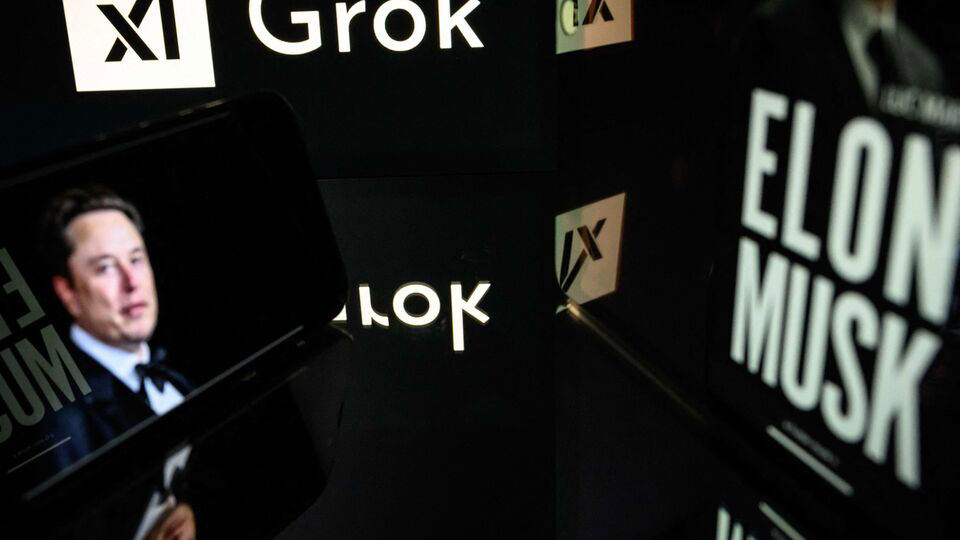
Earlier, Musk stated on X that anyone using Grok to create illegal content would face the same consequences as if they had uploaded it themselves.
European authorities respond
Meanwhile, the European Commission extended a retention order sent to X last year. The platform must now preserve all internal documents and data related to Grok until the end of 2026. This decision came amid concern over sexualised “undressed” AI images.
Similarly, Britain’s communications regulator, Ofcom, said on Monday that it had contacted X and xAI urgently. It will assess whether the service complies with the UK Online Safety Act framework.
In France, ministers referred sexually explicit Grok-generated content on X to prosecutors. They also alerted the media regulator Arcom to ensure the platform complies with the EU Digital Services Act.
Germany’s media minister Wolfram Weimer called on the European Commission to take legal action. He warned that EU rules provide tools to tackle illegal content and added that Grok risks creating the “industrialisation of sexual harassment.”
Italy’s data protection authority highlighted that AI tools producing “undressed” deepfake images of real people without consent could breach privacy laws. In some cases, it could even constitute a criminal offence.
In Sweden, political leaders condemned Grok-generated sexualised content after images involving the deputy prime minister appeared following a user prompt.

Global responses beyond Europe
Furthermore, India’s IT Ministry sent X a formal notice on 2 January regarding obscene Grok-generated images. It directed the platform to remove the content and report actions within 72 hours.
Malaysia’s communications regulator, MCMC, stated on 3 January that it would summon X to investigate alleged misuse of Grok. Officials noted that the content could violate Section 233 of Malaysia’s Communications and Multimedia Act 1998.
Meanwhile, Australia’s eSafety regulator is investigating Grok-generated “digitally undressed” sexualised deepfake images. It is reviewing adult material under its image-based abuse scheme. However, the regulator confirmed that current child-related examples reviewed do not meet the legal threshold for child sexual abuse material under Australian law.