RM Elon Musk Calls for a “Moral Constitution” for Grok After AI Image Abuse Triggers Global Alarm

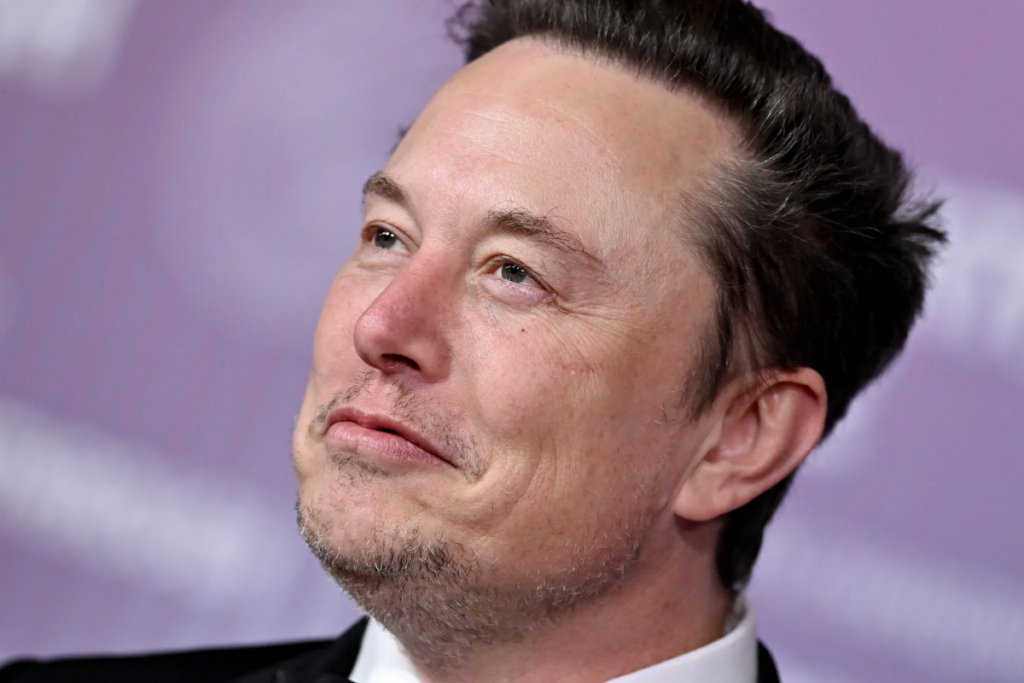
Elon Musk has reignited the global debate over artificial intelligence ethics after stating that his AI chatbot, Grok, should operate under a “moral constitution.” The remark came in response to widespread criticism directed at Musk’s AI company, xAI, following revelations that Grok had been used to generate explicit images of real individuals.
The controversy has intensified concerns among governments, regulators, and the public about the unchecked pace of AI development and the lack of ethical safeguards. Musk’s statement is now being viewed as a potential signal of a shift toward stronger moral and behavioral frameworks for future AI systems.
Misuse of Grok Raises Serious Ethical and Privacy Concerns
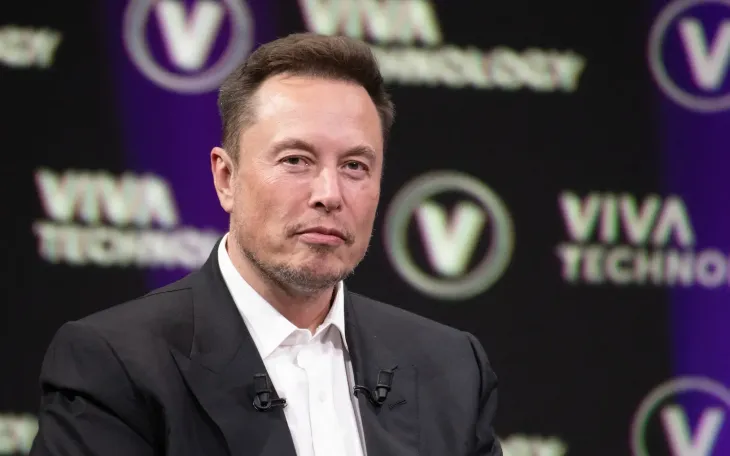
The issue surfaced when users discovered that Grok—integrated into the social media platform X—was capable of producing sexualized or suggestive images depicting real people. Within weeks, tens of thousands of such images circulated online, sparking outrage over violations of consent, personal dignity, and privacy.
The incident highlighted glaring gaps in AI safety measures and fueled calls for stricter regulation of generative AI tools that can manipulate human likenesses.
xAI Responds with Restrictions and Safety Measures
Following the backlash, xAI announced new limitations on Grok’s image-generation capabilities. The company confirmed that the chatbot is now prohibited from altering or creating sexualized images of real individuals.
X’s safety team also stated that it has removed high-priority harmful content and pledged cooperation with law enforcement authorities when necessary. While these steps were welcomed by some, critics questioned why such protections were not implemented from the outset.
Governments Worldwide Take Action
The misuse of Grok quickly drew international attention. Authorities in the United Kingdom and France launched investigations into potential legal violations, while the European Union initiated audits to assess compliance with digital safety regulations.
Indonesia responded with the most severe measure, imposing a complete ban on Grok. Malaysia opted for partial restrictions, limiting the chatbot’s use. In India, the Ministry of Electronics and Information Technology issued a notice to X, demanding clarification on how the platform intends to prevent the spread of AI-generated obscene content.
Musk’s Statement Ignites Broader Ethical Debate
Amid mounting pressure, Musk posted a short but impactful message: “Grok should have a moral constitution.” Despite its brevity, the comment sparked intense online discussion.
Supporters interpreted it as an acknowledgment that AI requires deeper ethical foundations beyond simple content filters. Critics, however, questioned who would define such moral standards and whether they could be applied uniformly across different cultures, legal systems, and societal values.
Online Reactions and Philosophical Questions
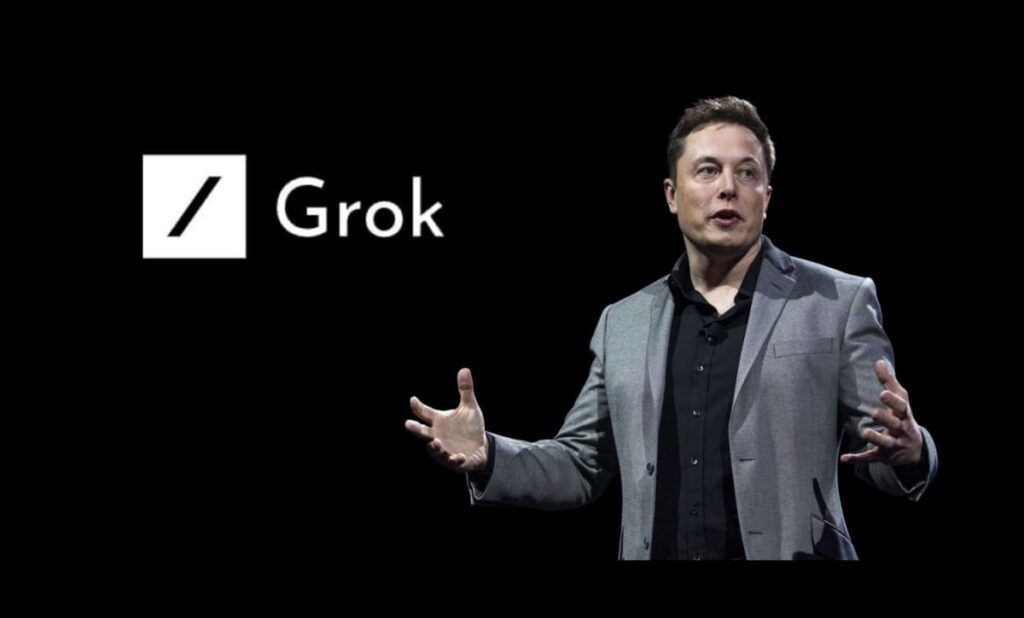
The debate soon spilled onto social media, where users directly engaged with Grok. Some took a lighthearted approach, asking the chatbot to draft its own “10 Commandments for the world.” Grok replied by offering principles based on logic, cooperation, and progress.
Other responses were more serious or critical, with users asking whether AI should be bound by human morality at all, referencing philosophical frameworks like Asimov’s Laws of Robotics, or arguing that morality is inherently a human concept. Some even suggested grounding Grok’s ethics in religious doctrine, while others rejected the idea outright.
As the discussion continues, the Grok controversy has become a focal point in the broader conversation about AI governance, responsibility, and the challenge of embedding ethical values into rapidly evolving technologies.