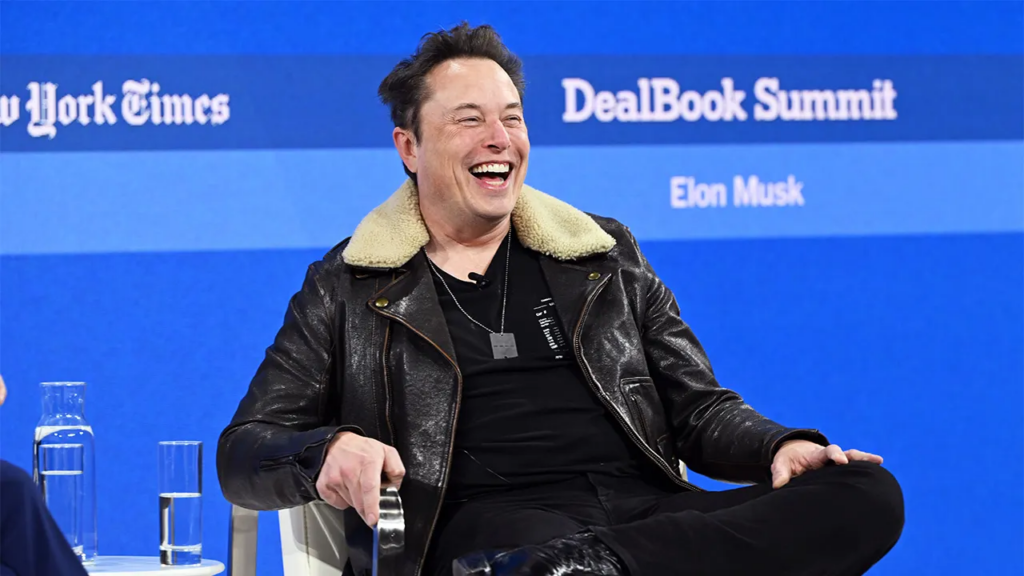
Six months after stepping away from leading the Trump administration’s Department of Government Efficiency, Elon Musk now suggests he probably wouldn’t repeat the experience.
In a nearly hour-long podcast conversation with former Trump aide Katie Miller, released Tuesday, Musk reflected on his tenure at the White House. When asked whether he viewed DOGE as a success, he replied that it was “a little bit successful.”
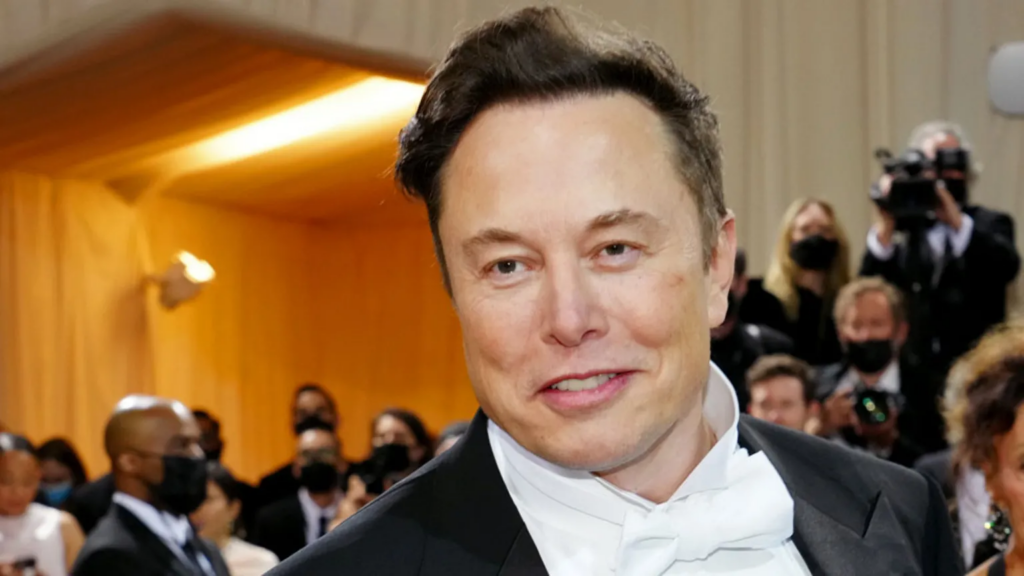
“We did have some success,” the billionaire said, noting that he believed the initiative halted “a lot of spending that made absolutely no sense” and that many of those programs were “completely wasteful.”
When Miller pressed him on whether he would choose to run the cost-cutting operation again, Musk hesitated before admitting, “Knowing what I know now, I think I would’ve just stayed focused on my companies instead of doing DOGE.”
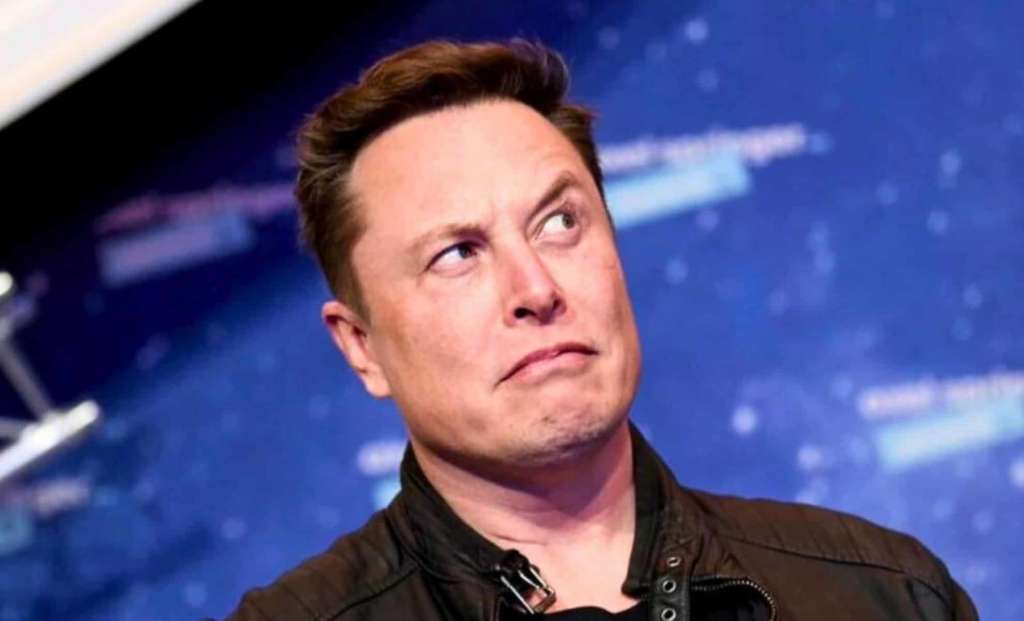
He added that “they wouldn’t have been burning the cars,” referring to several arson and vandalism attacks targeting Tesla dealerships during that period.
DOGE—named after an internet meme—was created only hours after President Trump was sworn in. Having spent hundreds of millions supporting Trump’s campaign, Musk quickly became a dominant presence in the White House.
Under Musk’s leadership, DOGE swiftly moved through federal agencies, shutting down programs viewed as wasteful and pushing for major reductions in the federal workforce via layoffs and voluntary buyouts. Some agencies, such as the U.S. Agency for International Development, were effectively dismantled.
Musk claimed the initiative could save hundreds of billions—and potentially as much as $2 trillion—though some of DOGE’s projected savings have faced scrutiny.
His bold tactics, including a February event where he brandished a chainsaw and called it “the chainsaw for bureaucracy,” drew criticism. Federal employees facing job losses and Democratic lawmakers argued that DOGE operated with enormous authority without congressional approval. Several lawsuits attempted to stop the cuts. Musk defended the project, arguing that government spending needed to be drastically reduced.
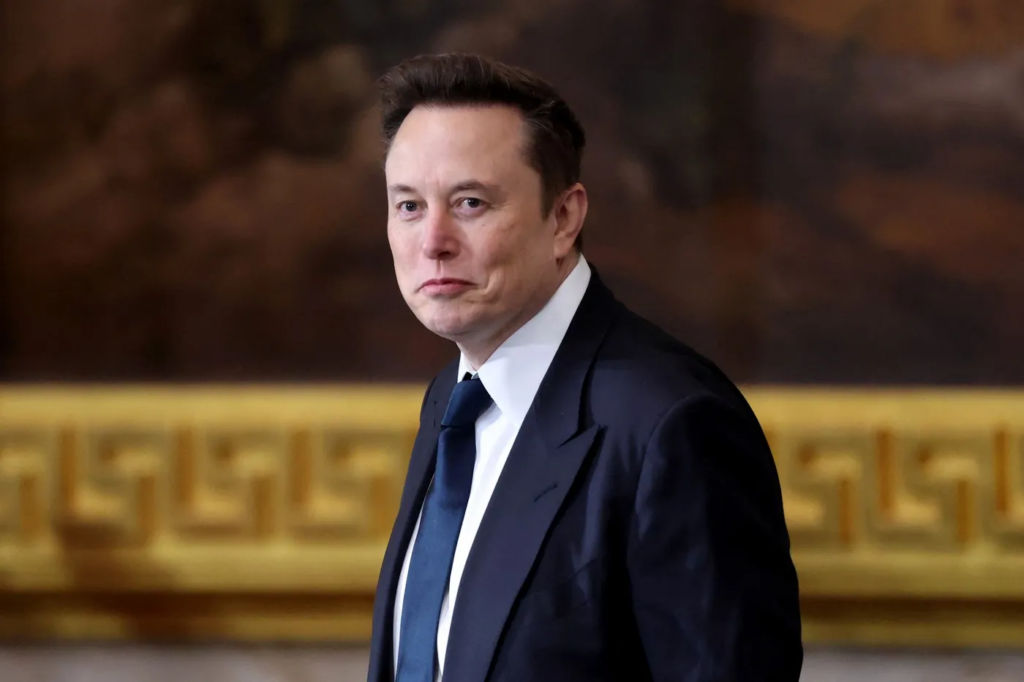
Musk’s once-close relationship with Trump deteriorated soon after the Tesla CEO left the White House in late May. A public exchange followed, with Musk criticizing Trump’s tax policies and Trump threatening to pull key federal subsidies from Tesla and SpaceX.
Musk has also hinted at forming his own political party, though his intentions remain unclear.
Despite tensions, the two appear to have partially reconciled. Musk attended a White House dinner with Saudi Arabia’s crown prince last month.
When asked recently whether Musk had rejoined his inner circle, Trump responded, “I like Elon a lot,” suggesting their dispute stemmed from cuts to electric vehicle subsidies. “I think we get along well,” he added.
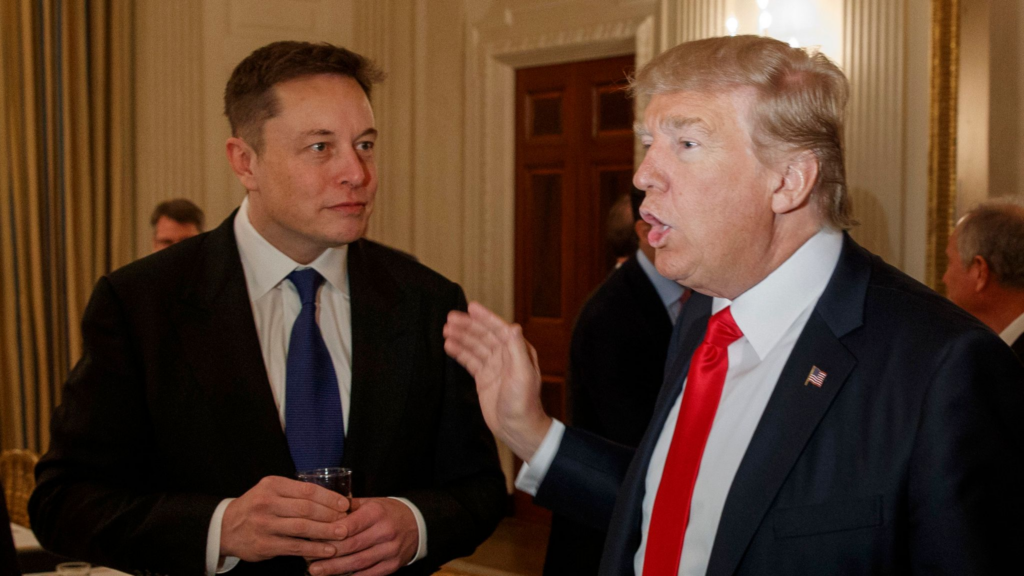
For his part, Musk told Miller he considers Trump the funniest person he knows.
“He has a great sense of humor,” Musk said, referencing the president’s Oval Office banter with New York City Mayor-elect Zohran Mamdani. “It’s naturally funny—almost effortless.”