RM Elon Musk Warns Six-Figure Salaries May Become Meaningless as AI Renders Work Obsolete


After years of climbing the career ladder to earn a comfortable six-figure income—or carefully building savings through investments and retirement accounts—you might assume financial security is something permanent. Elon Musk, however, believes that assumption may not hold for long.
According to the Tesla and SpaceX CEO, money itself could eventually lose its purpose. In a future dominated by artificial intelligence and robotics, Musk argues that traditional jobs and wages may cease to exist, making cash largely irrelevant.
“I honestly think money will disappear as a concept,” Musk said during an appearance on the People by WTF podcast. He explained that if technology becomes advanced enough to meet all human needs, money would no longer be required as a system for allocating labor or resources. When AI and machines can provide abundance at minimal cost, the importance of currency fades dramatically.
A World Where Working Is Optional
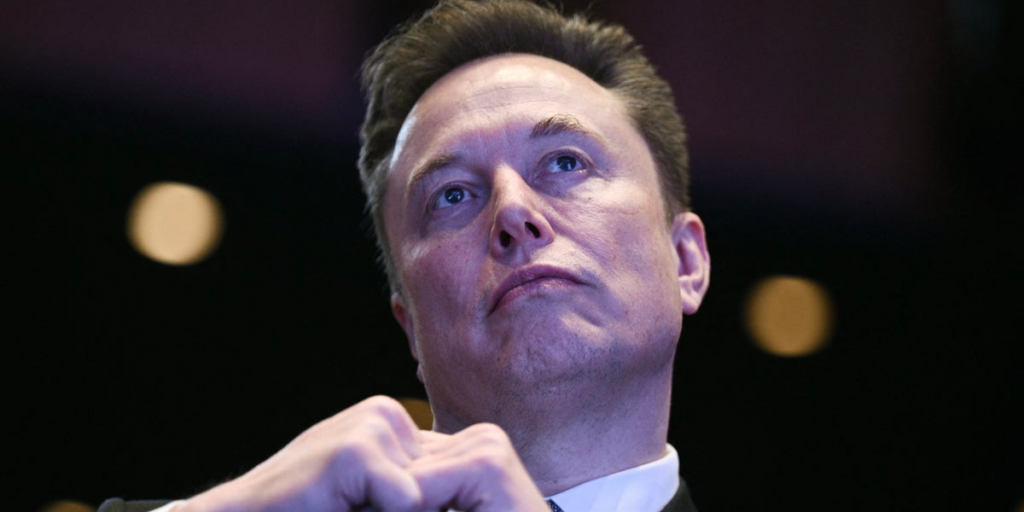
Musk envisions a future in which robots handle nearly all essential tasks—building homes, producing food, manufacturing goods, and even delivering services like healthcare and education. In such a scenario, wages would no longer determine access to necessities.
He often references The Culture series by science fiction author Iain M. Banks as an ideal depiction of this future. In those novels, advanced AI enables a post-scarcity society where people can obtain almost anything they desire, freeing them from the need to work or earn money. Individuals instead spend their time pursuing personal interests and passions.
This idea is not new for Musk. Even two years ago, when tools like ChatGPT were still in their early stages, he told former UK Prime Minister Rishi Sunak that AI would eventually be capable of doing nearly everything humans can do—turning work into more of a voluntary pastime than a necessity.
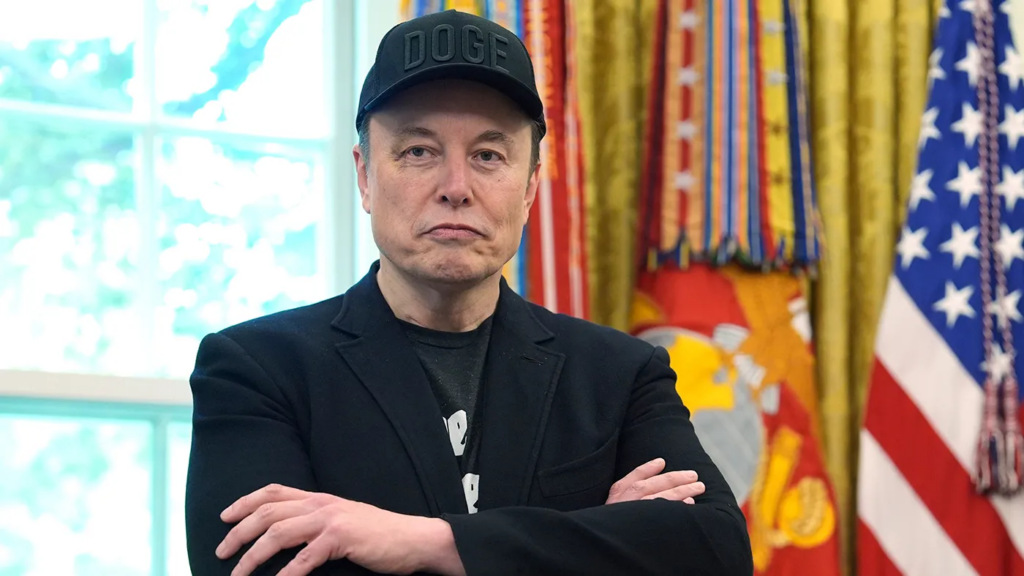
Still, Musk’s vision raises difficult questions. If money disappears, how will society decide who receives limited or desirable resources, such as larger homes or better locations? And while Musk predicts dramatic change, he has not specified exactly when money will no longer be required for daily life.
What he has suggested is that the end of mandatory work could arrive surprisingly soon. “Within 10 to 20 years,” Musk said, advancements in AI and robotics may reach a point where employment is optional for most people.
Technology Is Advancing Faster Than Ever
Today’s AI tools—such as ChatGPT and Google Gemini—are already reducing workloads by handling tasks like summarization, data processing, and administrative duties. One survey estimates that by 2029, AI could save workers as much as 12 hours per week.
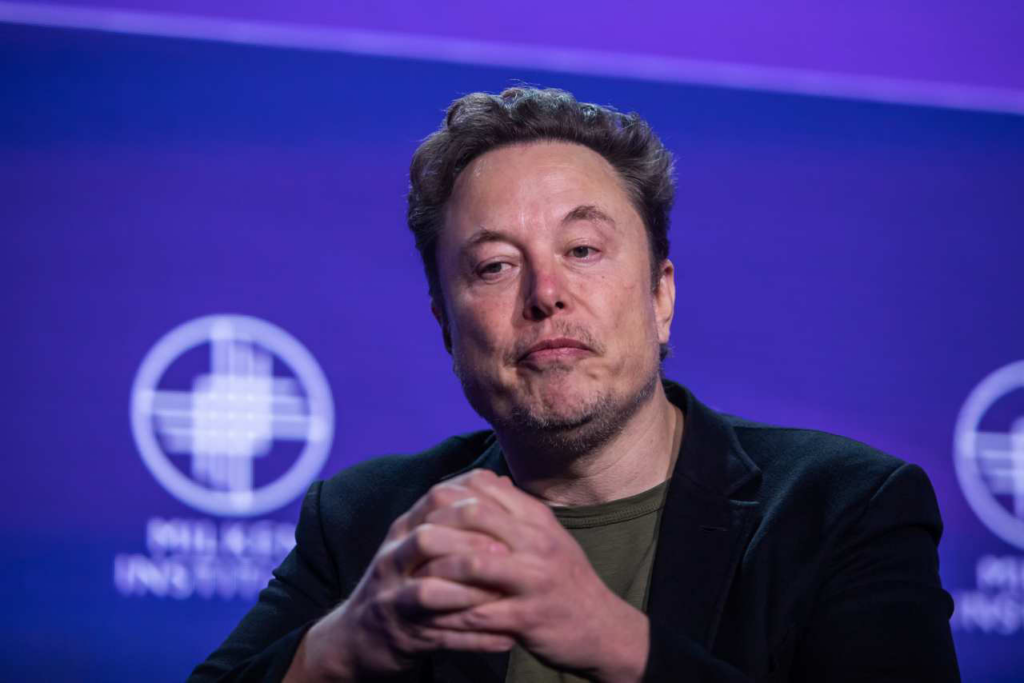
History, however, offers a cautionary tale. In 1930, economist John Maynard Keynes predicted that technological progress would allow people to work only 15 hours per week by 2030. While productivity increased, leisure time did not. Instead, workers were often expected to produce more within the same or longer hours.
What sets the current moment apart is the speed of change. AI is no longer theoretical—it is rapidly improving, to the point that even industry leaders like Bill Gates and OpenAI CEO Sam Altman have expressed concern.
Anthropic’s chief of staff, Avital Balwit, has warned that most jobs—including her own—could become obsolete within just a few years. She even predicts that within a decade, up to a million humanoid robots could replace human workers.
Government Policy Will Shape the Outcome
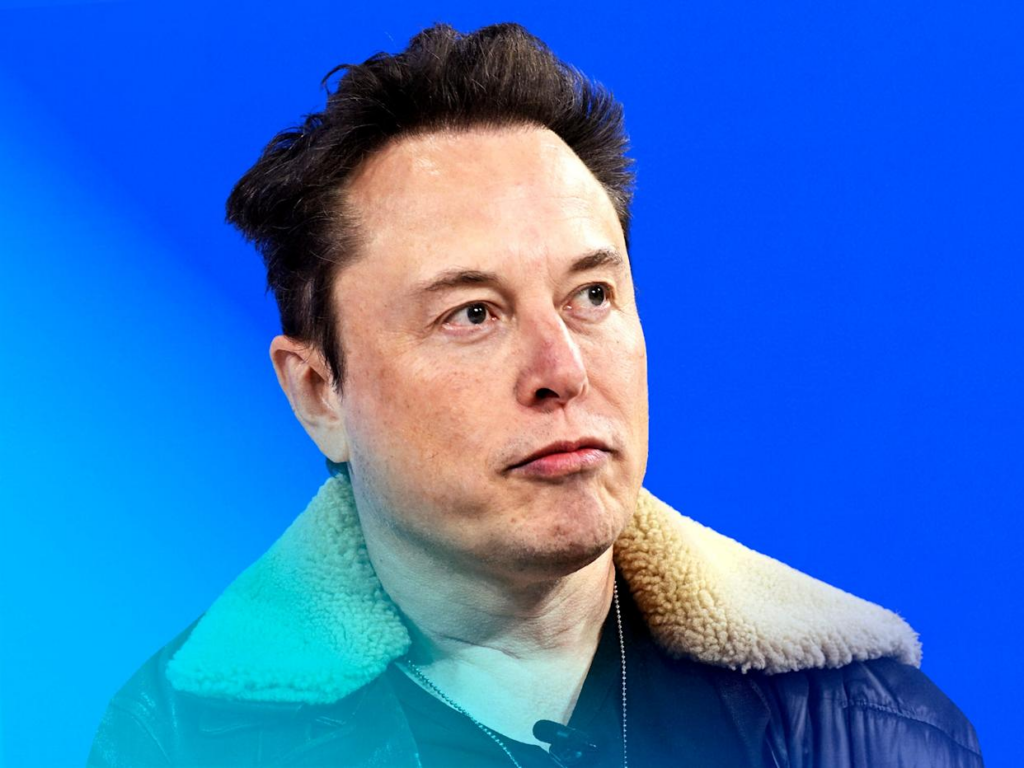
Balwit argues that with appropriate policies, society could transition into a world where people are materially secure without needing to work. In this future, daily life would resemble that of today’s wealthy elite—free from financial stress and focused on hobbies, relationships, and personal fulfillment rather than jobs and meetings.
She compared this potential lifestyle to that of historical aristocrats, who had their needs met without relying on paid labor.
Vinod Khosla, billionaire cofounder of Sun Microsystems and an early investor in companies like Amazon, Google, and OpenAI, has echoed similar views. In a detailed blog post, he warned that while AI will outperform humans at most jobs more efficiently and cheaply, the absence of government intervention could lead to extreme inequality.
Without safeguards, Khosla cautioned, society could slide into an “economic dystopia,” where wealth concentrates among a small elite while human labor—both intellectual and physical—loses value.
To prevent this, he advocates for policies such as universal basic income, which would ensure financial security even as traditional jobs disappear. If implemented effectively, Khosla argues, such measures could liberate people from compulsory work and allow society to redefine what a meaningful life looks like in the age of AI.