Elon Musk is one of the wealthiest individuals in the world, and his financial decisions have a significant impact on various sectors, including technology and industry. To better understand Musk’s ownership and financial strategies, let’s take a closer look at some key points in his career and the important decisions he has made:
1. Tesla Ownership

Tesla is one of the most prominent companies associated with Elon Musk, where he serves as CEO. While Tesla wasn’t the only company Musk has been involved with, it is by far the one most closely linked to his name.
Ownership in Tesla: Musk owns a substantial portion of Tesla’s shares, making him the largest shareholder and allowing him to influence major company decisions. Though Musk was not the original founder of Tesla (which was established by Martin Eberhard and Marc Tarpenning), he joined the company in 2004, made a significant investment, and became CEO in 2008. Due to his major contributions in terms of strategy and finances, Musk is often regarded as the official founder of Tesla.
Financial Decisions: Musk has made several bold financial moves to grow Tesla, such as securing loans, issuing shares, and attracting large investors. One of his most significant decisions was taking Tesla public through an IPO (Initial Public Offering) in 2010.
2. SpaceX and Ownership
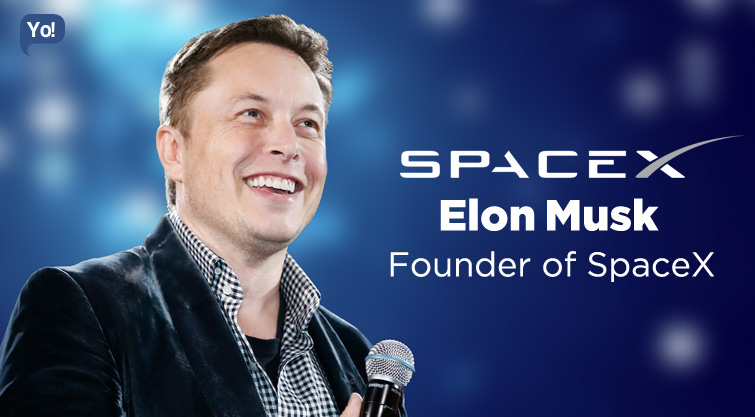
Musk founded SpaceX in 2002 with the vision of reducing space transportation costs and making human space travel possible.
Ownership in SpaceX: SpaceX is not a publicly traded company, so there is no publicly available data on Musk’s exact stake. However, it is widely recognized that Musk is the largest shareholder and holds substantial control over the company’s financial strategies. In recent years, SpaceX’s market value has skyrocketed, partly due to large contracts with NASA and other private entities.
Financial Decisions: SpaceX has seen significant success, particularly with its reusable rockets and lucrative government and private contracts. Musk has reinvested profits strategically to expand the company while also raising capital from major investors.
3. Neuralink and The Boring Company
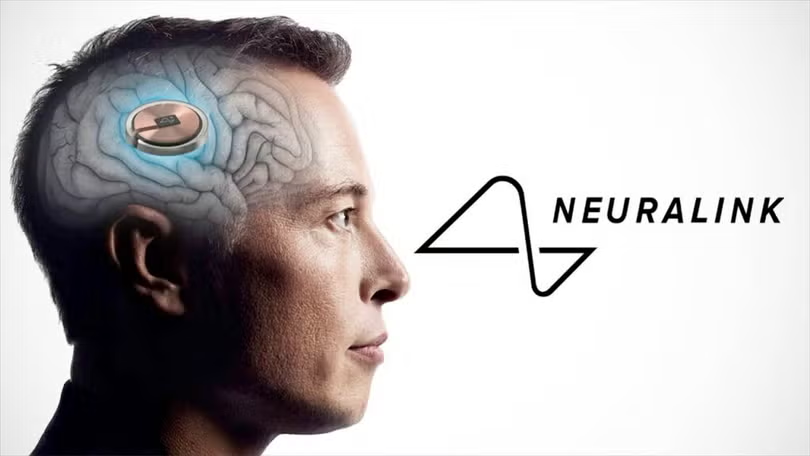
Musk is also behind Neuralink and The Boring Company, two ventures aimed at solving critical issues in technology and infrastructure.
Neuralink: Founded in 2016, Neuralink is focused on developing technologies that allow the human brain to communicate directly with computers. While the company hasn’t yet achieved massive financial returns, Musk has raised hundreds of millions of dollars from investors to fund its projects.
The Boring Company: Also established in 2016, The Boring Company aims to develop new transportation solutions like high-speed underground tunnels (e.g., Hyperloop). While smaller compared to Tesla or SpaceX, Musk continues to hold significant ownership and has carried out test projects in major cities.
4. Other Financial Investments
Musk has invested in several other companies and projects, diversifying his financial portfolio:
SolarCity: Musk founded SolarCity in 2006, a company providing solar energy solutions. In 2016, SolarCity was acquired by Tesla, a major financial move aimed at integrating renewable energy into Tesla’s products.
OpenAI: Musk co-founded OpenAI, an artificial intelligence research company. However, he later resigned from the board over concerns about AI’s potential risks.
5. Salary and Asset Distribution Policies
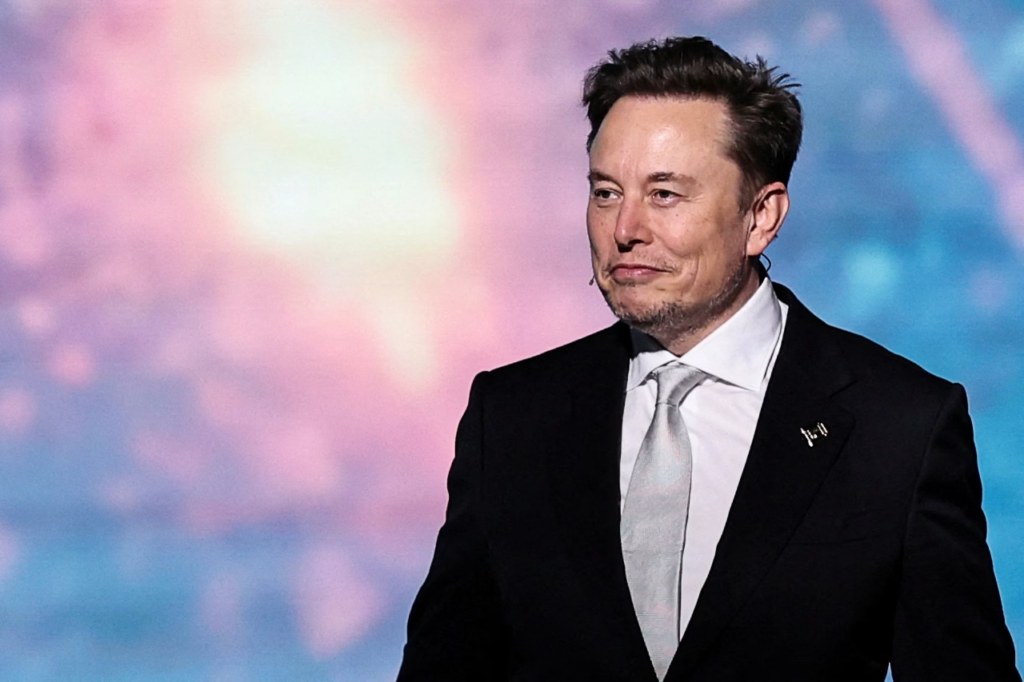
Musk is known for not taking a regular salary from Tesla. Instead, his earnings are largely performance-based, tied to the company’s success in reaching ambitious goals. This strategy incentivizes Musk and Tesla’s employees to perform at their best.
6. Major Financial Decisions with a Global Impact

Tesla Goes Public: One of Musk’s most significant financial decisions was taking Tesla public in 2010. Despite facing numerous financial hurdles, going public allowed Tesla to raise substantial capital to develop new products.
Shift Towards Bitcoin: Musk also attracted attention for his support of Bitcoin and other cryptocurrencies. At one point, Tesla bought a large amount of Bitcoin and announced it would accept the cryptocurrency as payment (though this decision was later reversed).
7. Personal Wealth and Financial Choices
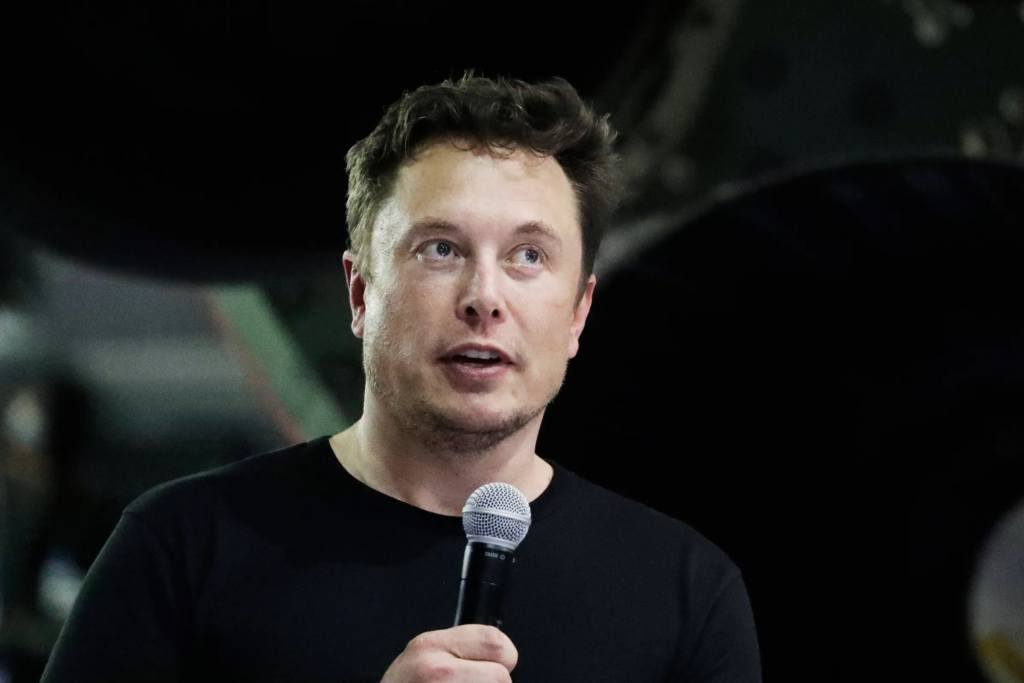
Musk’s personal wealth is enormous, and many of his financial decisions concern how he allocates his resources. For example:
- Selling Real Estate: Musk sold almost all of his real estate properties to focus on his work and goals.
- Investing in Startups and Innovation: Musk is known for his investments in cutting-edge startups and new technologies, with the aim of creating breakthrough products and services.
Conclusion
Elon Musk’s financial decisions and ownership stakes not only impact the companies he leads but also have broader effects on the global economy and technology industry. His bold financial strategies, especially in electric vehicles, space exploration, and renewable energy, have made a lasting mark. While some of his decisions may be controversial or hard to understand, it’s undeniable that he has created significant influence across various industries.