RM Elon Musk’s Political Views Should Not Influence California’s Decision on SpaceX Launches

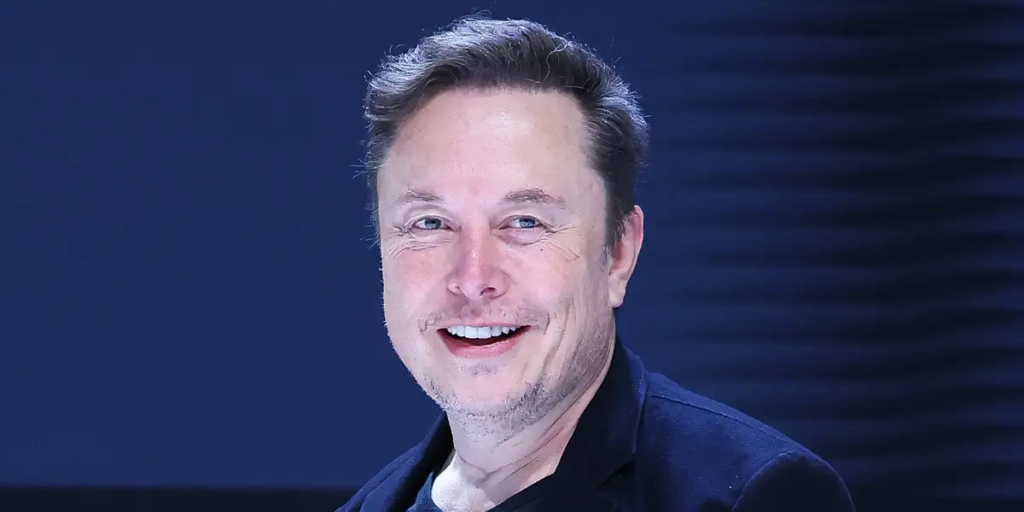
Regardless of your opinion on Elon Musk’s political views, it’s undeniable that his impact on various industries has been both enormous and largely positive.
With Tesla, he revolutionized the electric car market, turning the Toyota Prius, once a symbol of mediocrity, into the coveted Tesla Model Y, admired by consumers and automotive executives alike. Through his internet venture, Starlink, Musk has outpaced government-funded programs, providing high-speed internet to remote areas and disaster-stricken regions, where traditional infrastructure has failed.
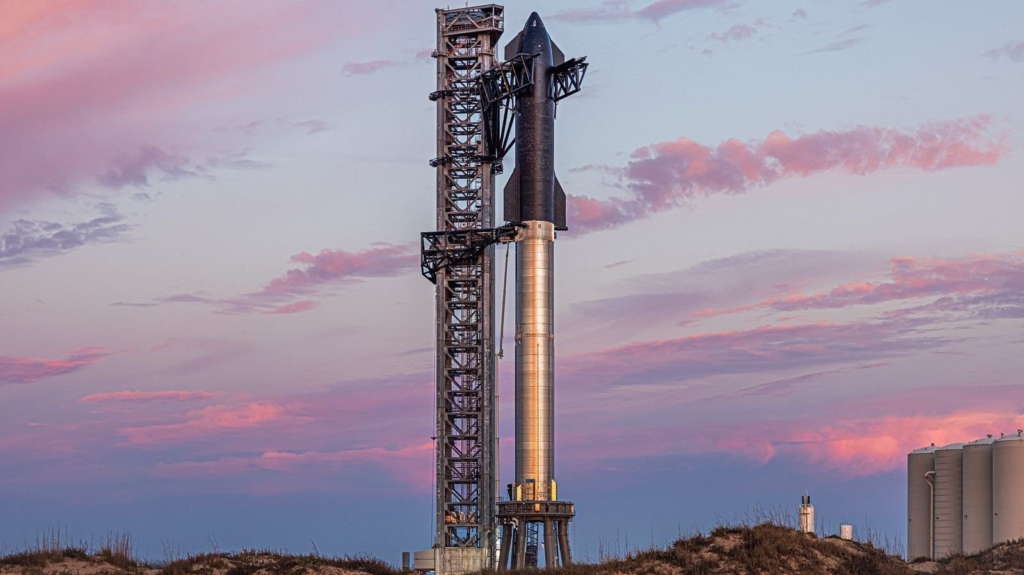
In space, his accomplishments with SpaceX are nothing short of groundbreaking. His company has not only made space travel more cost-effective, but also made the dream of a Mars colony much more achievable, as evidenced by the recent successful relaunch of a reusable rocket.
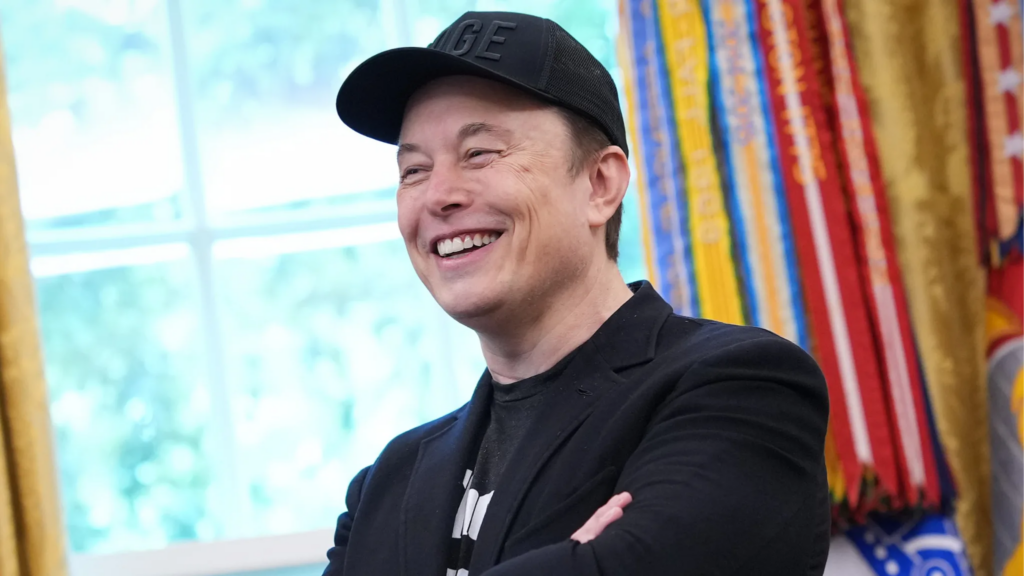
However, Musk’s political views are a different story. His support for controversial figures, such as promoting the views of a Nazi-sympathetic “historian” on X (formerly Twitter) through his social media platform, has raised concerns. Additionally, Musk has given significant financial backing to Donald Trump, who has promised to lead the country toward a more authoritarian direction, despite the troubling implications of that vision. Musk’s management of Twitter has also raised eyebrows, with the platform now facing issues of hate speech and explicit content, leaving behind its original mission of fostering civil discourse.
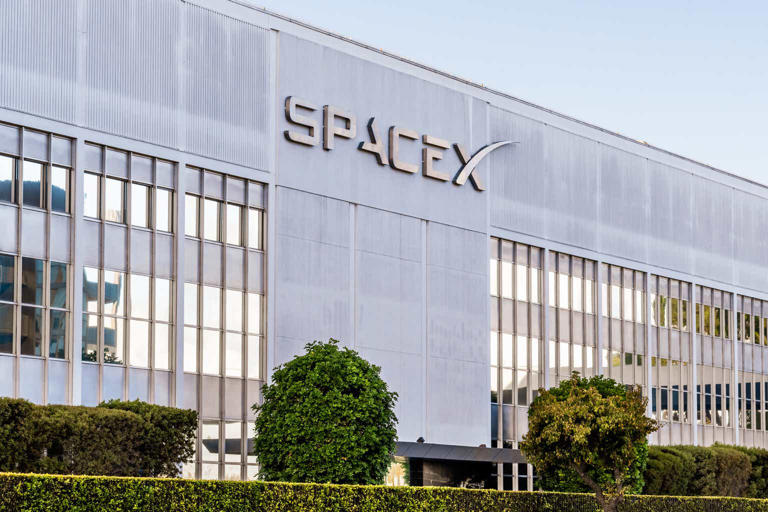
These issues intersected last week when the California Coastal Commission voted to deny SpaceX’s request to increase the number of rocket launches at the Vandenberg Air Force Base from 36 to 50 annually. Some commissioners voiced concerns over Musk’s outspoken political activism, suggesting that his political stance might be a factor in their decision.

One commission member noted that Musk’s political behavior—his involvement in the presidential race and his vocal criticisms of various agencies—was a problem. Another raised concerns about Musk’s controversial comments online, including attacks on FEMA. While it’s clear that Musk’s political persona is polarizing, the California Coastal Commission’s decision should have been based on environmental concerns, not on Musk’s views.
Musk, who has now filed a lawsuit, argues that his First Amendment rights were violated when the commission allowed his political views to influence their decision on the rocket launches. And he’s right—his case seems quite strong. The issue at hand should be about the environmental impact of the launches, not about the political views of SpaceX’s CEO.
If the commission is willing to openly target Musk’s political beliefs, just imagine the level of animosity reflected in their private communications. Public service decisions must be made based on merits, not political bias. After all, it’s wrong for a prosecutor to demand a harsher sentence for a bank robber simply because they’re from a different political party, just as it would be wrong for a city council member to oppose development projects because the developers support a particular politician.
In the end, the California Coastal Commission’s decision was politically charged and ignores the fundamental principle that decisions about individuals and corporations should be made based on the facts, not on their political affiliations.
What’s troubling about this situation is that it mirrors the erosion of Constitutional norms that we saw during the Trump era. While Trump’s actions undermined legal and ethical standards, his opponents, including the California Coastal Commission, seem to be abandoning those same standards in their attempt to fight back.
Ultimately, the commission’s decision is not based on sound legal or environmental reasoning, but on political hostility, and that’s why it’s unlikely to withstand judicial scrutiny.