RM Eric Schmidt and Elon Musk Raise Alarm Over US Energy Shortfall as China Leads in Renewables and Nuclear Power

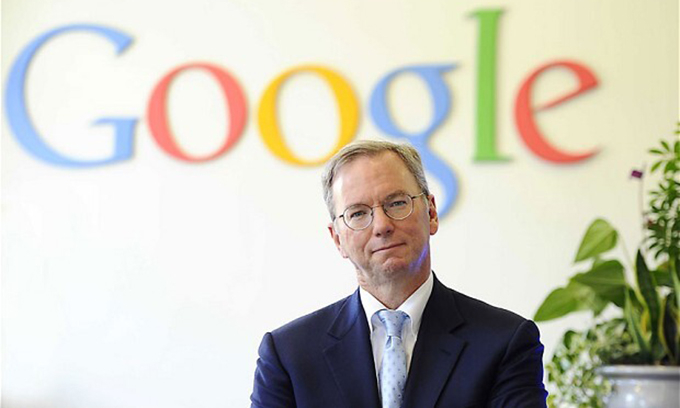
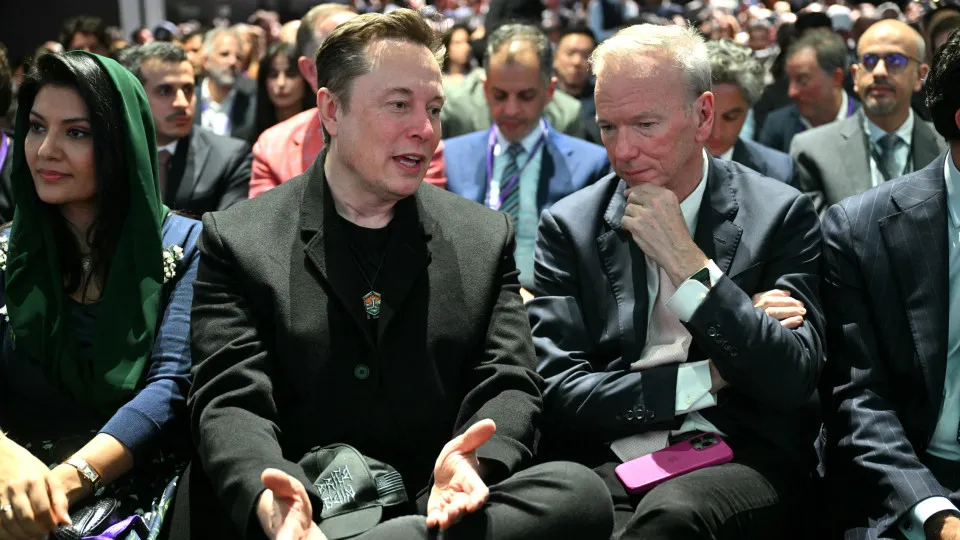
Former Google CEO Eric Schmidt has echoed concerns about the United States’ power generation capabilities, particularly as the tech industry pivots toward an AI-driven future. Schmidt’s comments, made during an appearance at the Institute of Politics at Harvard Kennedy School, highlighted the massive energy investments China is making in renewable sources, including nuclear and solar power. This aligns with a similar warning from Tesla CEO Elon Musk regarding China’s growing dominance in energy production.
Schmidt pointed out that the US has not made significant progress in producing new electricity. “In America, we’ve essentially stopped generating new electricity because it’s extremely difficult to develop new power sources,” he said. In contrast, China has made substantial investments in renewables, granting the country a near-unlimited power supply. “China built roughly 120 gigawatts of new renewable energy in just the last five years,” Schmidt noted, only for Graham Allison, a political scientist at Harvard, to interrupt, adding, “Every day, China adds another gigawatt of electricity to its grid, and they do this year-round.”
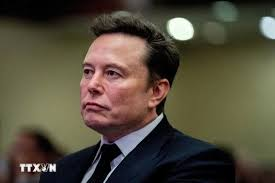
Elon Musk’s Alarm on US Power Shortage
Earlier this year, Elon Musk responded to an analysis showing that China’s solar installations, if used at American efficiency levels, could provide 44% of the US’s total electricity. Musk underscored the significance of this, noting that China has installed enough solar power to potentially supply half of the US’s energy needs. Musk has repeatedly warned that America’s lagging energy infrastructure poses a serious competitive disadvantage, with China now leading the world in power generation capacity. According to market analysts, China has a staggering 3.75 terawatts of generation capacity, nearly three times that of the United States, which stands at 1.3 terawatts.
Schmidt’s Concern Over US Nuclear Energy
Schmidt also raised concerns about the US’s lack of new nuclear energy development, especially when compared to China’s aggressive nuclear expansion. He noted that a typical nuclear power plant has a capacity of about 1.5 gigawatts. “That’s the scale of the energy revolution happening in China,” Schmidt said. “But how many new nuclear plants have been built in America? Zero.” Schmidt lamented that the US is clearly trailing China in the race for renewable and nuclear energy, adding, “They have abundant power, we don’t. We have plenty of chips, but they don’t.”
China’s Nuclear Ambitions
In terms of nuclear energy, China is making huge strides. The country currently has 34 nuclear reactors under construction—more than the next nine nations combined. Moreover, nearly 200 additional reactors are planned or proposed for the future. In sharp contrast, the United States has no new large-scale nuclear reactors being built. The stark difference in nuclear energy investment between the two nations further emphasizes the challenges the US faces in staying competitive on the global energy stage.