RM EU Fines Musk’s X $140 Million for Alleged Failures to Curb Hate Speech, Misinformation

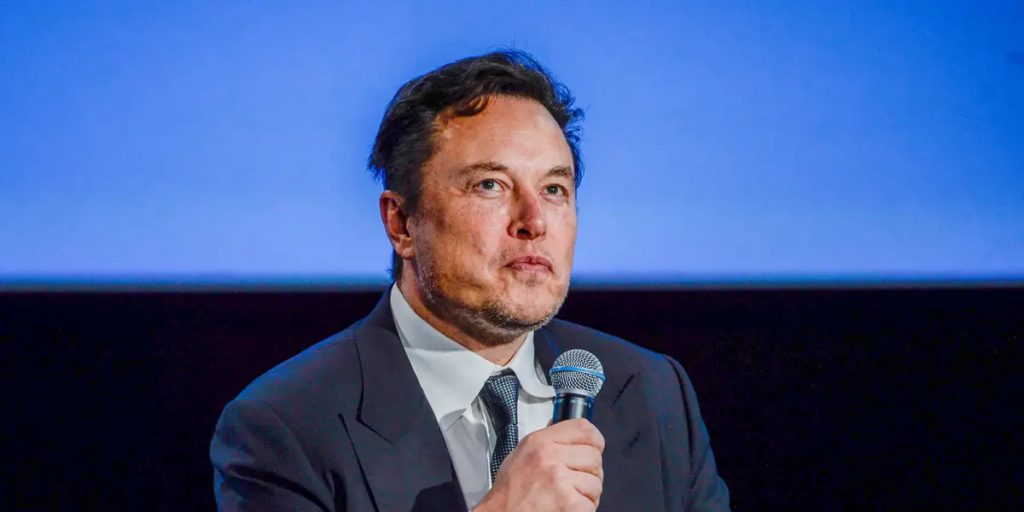
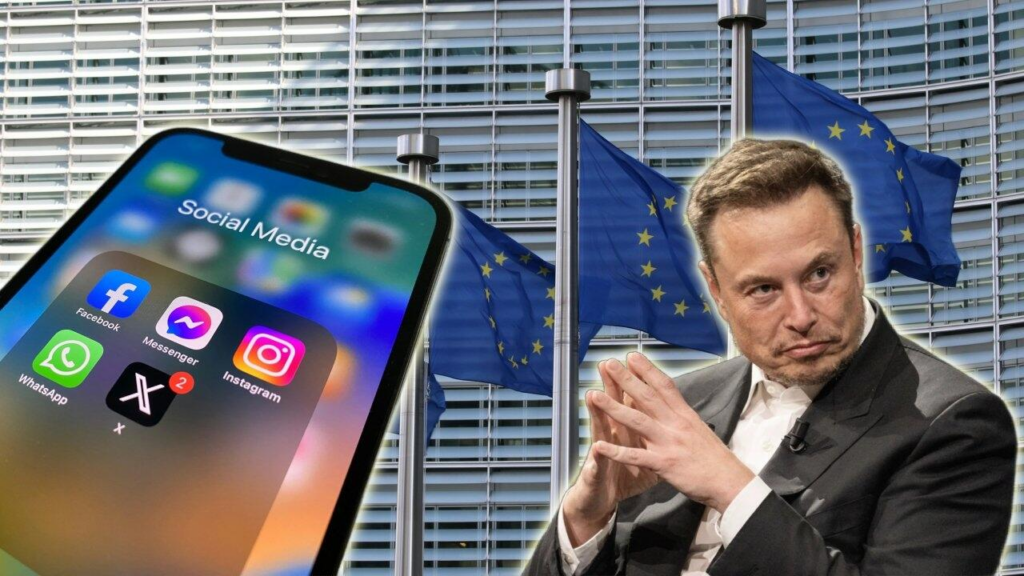
The European Commission announced Friday that it is imposing a fine of roughly $140 million on X, the social media platform owned by Elon Musk, accusing the company of violating the EU’s sweeping Digital Services Act (DSA). The decision is expected to heighten tensions between Brussels and Washington.
According to the Commission, X failed to meet several obligations under the DSA — a law enacted in 2022 that requires major online platforms to take stronger action against hate speech, disinformation, and other illegal content. The 27-member bloc requires companies to implement systems that quickly identify and remove posts deemed unlawful within EU countries.

Even before the decision was formalized, U.S. Vice President JD Vance sharply criticized the EU’s expected action. On Thursday, he claimed in a post on X that the bloc was preparing to punish the platform “for not engaging in censorship,” arguing that Europe should be defending free expression rather than “attacking American companies over garbage.”
Secretary of State Marco Rubio echoed the criticism, writing that the penalty “isn’t just an attack on @X” but on American tech firms and citizens more broadly. “The days of censoring Americans online are over,” he said.
Musk did not respond to NBC News’ request for comment. However, hours before the EU publicly released details on the fine, he reposted a message from attorney Preston Byrne promoting the GRANITE Act — a proposed U.S. measure that would allow Americans to sue foreign entities over alleged censorship. The proposal has surfaced in several state legislatures but has not been formally introduced in Congress.
EU officials insisted the action was not politically motivated. Henna Virkkunen, the Commission’s tech chief, said the penalty was proportionate, taking into account the nature, severity, and duration of X’s violations. She stressed that the DSA “has nothing to do with censorship,” according to reporting from the Associated Press. She added that future enforcement decisions should move more quickly than the nearly two-year investigation into X.
Still, some American officials were quick to criticize the ruling. Brendan Carr, chair of the U.S. Federal Communications Commission, argued that Europe was once again penalizing a thriving American tech company simply because of its success. He wrote that Europe was effectively “taxing Americans to subsidize a continent held back by its own suffocating regulations.”
The case stems from a formal inquiry launched in late 2023, triggered by concerns that X was failing to address illegal content and disinformation. The probe examined issues such as posts related to Hamas’ attacks on Israel and the platform’s approach to its paid verification checkmarks, which EU regulators suspected could mislead users.
Musk’s relationship with European leaders has been fraught for some time. Earlier this year, officials in four major European countries — including France and Germany — publicly criticized the billionaire’s political influence, cautioning him against involvement in their domestic affairs. Musk, once a close ally of former U.S. President Donald Trump, has backed a number of far-right political figures globally, though many of them have not succeeded in gaining power.

X still has the option to challenge the Commission’s findings in EU courts. The company has signaled that it is prepared for a legal fight; in April, amid reports that the EU was nearing a decision, X argued that any enforcement action would amount to “an unprecedented act of political censorship.”
The company maintained that it has “gone above and beyond” in meeting its obligations under the DSA and vowed to pursue every available avenue to defend its operations, safeguard its users, and protect freedom of speech within Europe.