RM Pink’s Bold Stand for Gender Equality: How Her Offer to Pay Fines Sparked a Global Movement in Sports


In a remarkable intersection of celebrity activism and sports policy, pop superstar Pink’s offer to cover the €1,500 fines of the Norwegian women’s beach handball team in 2021 became the catalyst for a larger conversation on sexism in sports. This incident not only highlighted the Norwegian team’s stand against oppressive uniform regulations but also led to a policy change that would reverberate across the world of female athletics.
The Uniform Controversy
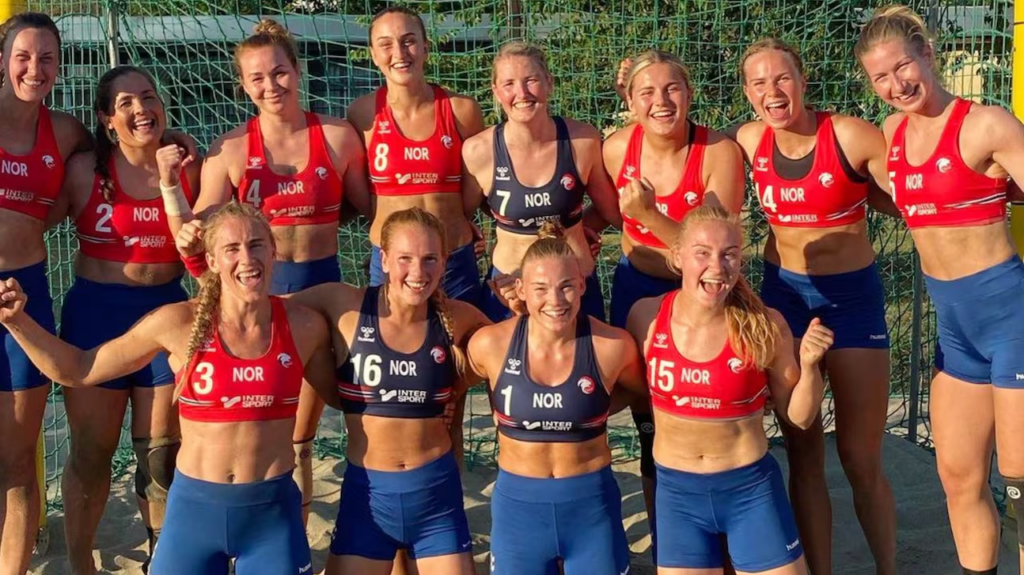
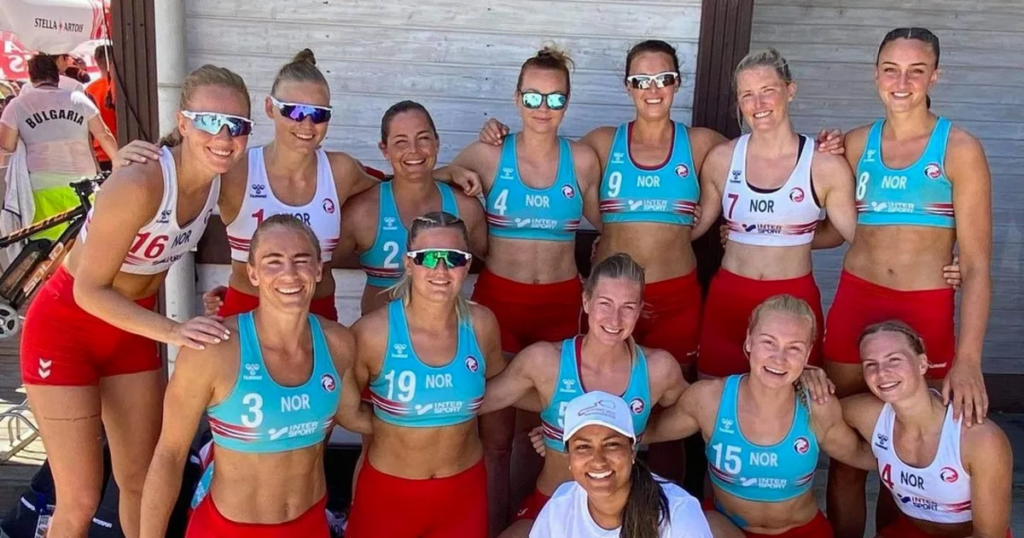
The controversy began during the 2021 European Beach Handball Championships in Varna, Bulgaria. The Norwegian team, known as the “Beach Belles,” chose to defy the restrictive uniform rules mandated by the International Handball Federation (IHF). According to these rules, female athletes were required to wear bikini bottoms with a very specific cut and a side width of no more than 10 cm (approximately 3.9 inches). Meanwhile, male athletes were allowed to wear tank tops and loose-fitting shorts that reached just above the knee.
The Norwegian players, citing both discomfort and the sexist nature of the regulations—which they felt hindered recruitment and perpetuated the sexualization of female athletes—opted to wear mid-thigh elastic shorts instead. As a result, they were fined €150 each (around $1,770 USD in total) by the European Handball Federation (EHF) for wearing “improper clothing” during their bronze medal match against Spain.
Pink’s Support: A Global Outcry
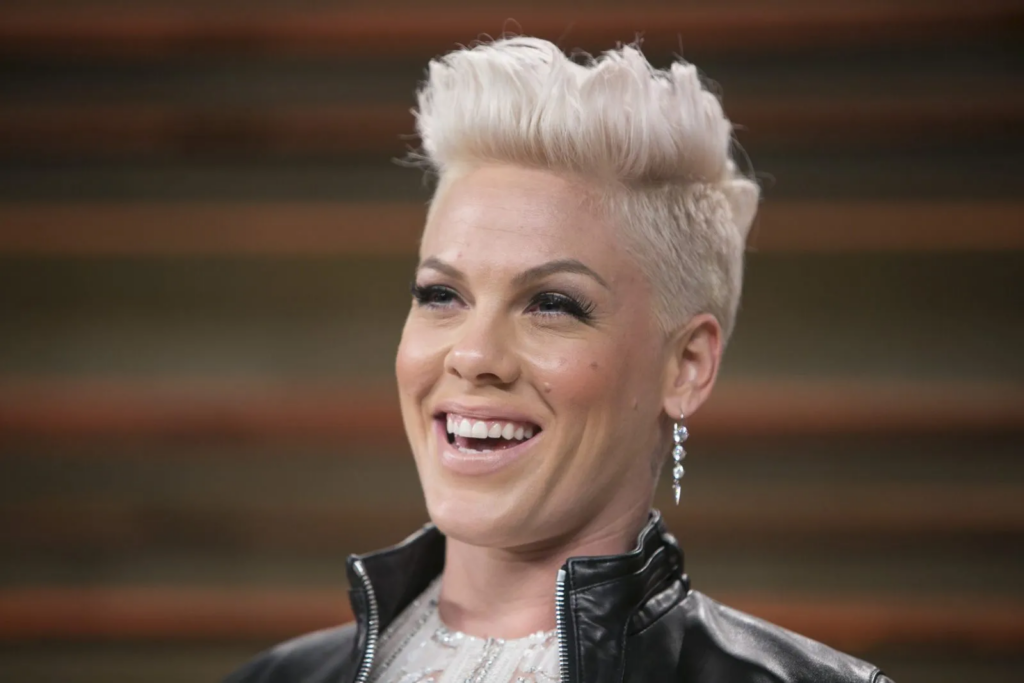
As the news of the fine spread, the outrage was swift and widespread, and the Norwegian team quickly became symbols of resistance against gender inequality in sports. Pop icon Pink, known for her outspoken feminist stance and unapologetic attitude, wasted no time in voicing her support. Taking to Twitter on July 25, 2021, Pink condemned the IHF’s uniform rule as “extremely sexist” and suggested that the EHF should be fined for perpetuating sexism. She also announced, “I’ll be happy to pay your fines for you. Keep it up.”
Her tweet went viral, drawing further attention to the issue and sparking an international debate on the sexualization of female athletes. Tennis legend Billie Jean King also joined the chorus of support, stating, “The sexualization of women athletes must stop.”
The Rule Change: A Landmark Victory
The public pressure, amplified by high-profile figures like Pink and the relentless media coverage, led to a major shift. Though the Norwegian Handball Federation (NHF) had already pledged to cover the fine for their athletes, Pink’s influential gesture helped turn the incident from a minor sports infraction into a global conversation on gender equality.
The outcry grew so loud that it eventually forced the European Handball Federation to take action. Initially, the EHF donated the fine money to a foundation that promotes equality in sports. However, the continued backlash led to a formal revision of the rules. In October 2021, the International Handball Federation made a historic change, officially removing the bikini bottom requirement for women. Under the new guidelines, female athletes can now wear “short tight pants” (with mid-thigh length permitted), similar to the uniform options available to male players.
This policy change was a direct result of the Norwegian team’s bold stance and Pink’s public support. The outcome not only marked a victory for the Norwegian athletes but also paved the way for a broader shift in how women’s sports are approached globally. It highlighted the powerful impact that both athletic bravery and celebrity influence can have in challenging outdated norms and achieving real change.
A Lasting Legacy

What began as a protest against an outdated uniform regulation ended up as a pivotal moment in the fight for equality in sports. Pink’s swift intervention and the subsequent rule change not only made a tangible difference for the Norwegian team but also set a precedent for how the sports world must evolve in response to the changing dynamics of gender and equality. The result was a powerful victory, both for the athletes involved and for future generations of female competitors who will now be able to play without being judged based on their appearance.