Tesla’s next-generation AI5 chip is reportedly approaching completion, with Elon Musk hinting at an aggressive nine-month development cycle. At the same time, Musk’s long-running legal dispute with OpenAI has cleared a major hurdle, as a U.S. federal judge has ruled that his lawsuit can proceed to trial.
A judge in Oakland, California, has denied motions from OpenAI Inc. and Microsoft seeking to dismiss Musk’s claims. The lawsuit alleges that OpenAI deviated from its founding nonprofit mission and misrepresented its charitable intentions while receiving billions of dollars in funding.
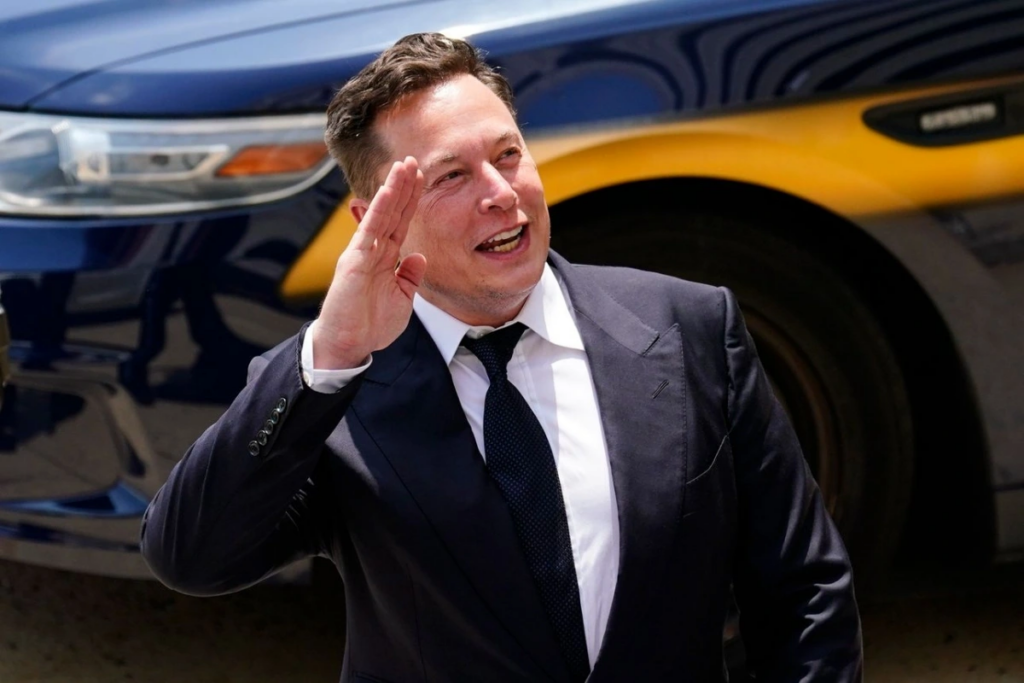
According to Bloomberg News, U.S. District Judge Yvonne Gonzalez Rogers stated that although the final outcome remains uncertain, Musk has consistently argued that OpenAI was created with a clearly defined charitable purpose. He claims his financial support was contingent on two core principles: that OpenAI remain open source and operate as a nonprofit—both of which aligned with its original charter and mission.
The court also rejected OpenAI’s argument that Musk lacked legal standing because his initial $38 million contribution was made through an intermediary. Judge Gonzalez Rogers noted that accepting such an argument would weaken oversight of charitable trusts and run counter to modern legal standards.
In addition, the judge allowed Musk’s fraud allegations to move forward, referencing internal OpenAI communications from 2017. One cited email shows OpenAI board member Shivon Zilis informing Musk that co-founder Greg Brockman wished to continue operating under a nonprofit structure. However, just months later, Brockman privately expressed uncertainty about maintaining that commitment, stating that he did not want to promise nonprofit status if the organization later transitioned to a for-profit structure.
Marc Toberoff, a lawyer representing Musk, said the ruling validates claims that OpenAI’s leadership knowingly made false assurances regarding its charitable mission, prioritizing personal financial gain instead.
OpenAI has firmly denied the allegations, calling Musk’s lawsuit unfounded. In a statement, the company said it views the legal action as part of a broader pattern of harassment and expressed confidence that it will prevail at trial. OpenAI also emphasized its ongoing support for the OpenAI Foundation, describing it as one of the most well-funded nonprofits in existence.
Tesla’s New FSD Pricing Model Ends Transfer Controversy
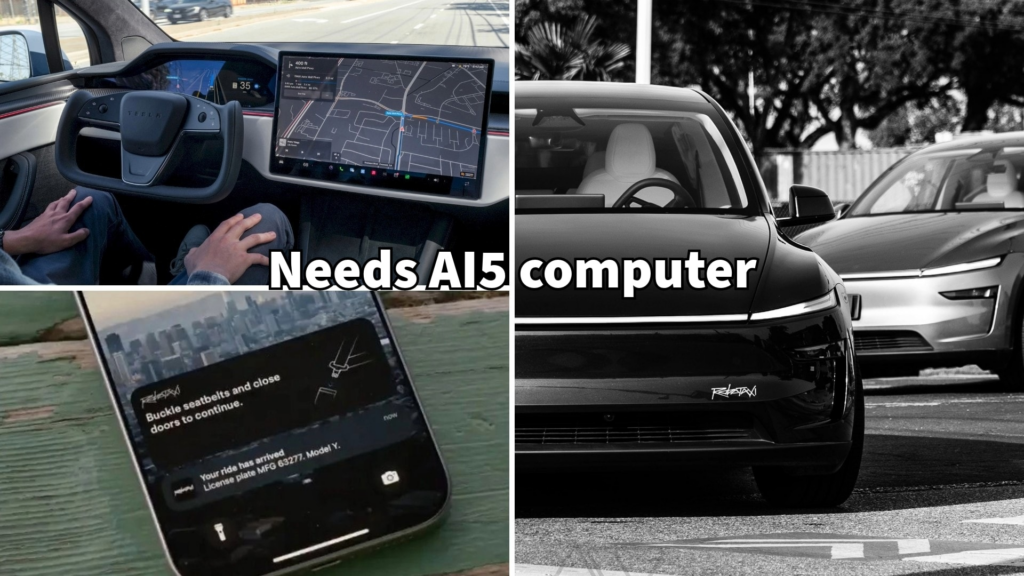
Meanwhile, Tesla has announced a major change to its Full Self-Driving (FSD) pricing strategy—one that addresses a long-standing complaint among vehicle owners.
Previously, customers who purchased FSD outright were unable to transfer the software to a new Tesla, forcing them to repurchase the costly package. Tesla temporarily allowed one-time transfers in late 2023 and again last year, offering limited relief.
Now, ahead of a February 14 deadline, Tesla has reopened FSD transfers once more. However, this will likely be the last time such a program is needed.
Elon Musk confirmed on X that Full Self-Driving will move to a subscription-only model, priced at $99 per month. By eliminating the one-time purchase option, Tesla effectively removes the issue of transferring FSD between vehicles altogether.
This shift offers several potential benefits. A subscription-based system opens the door to future options such as tiered pricing, pay-per-mile plans, or bundled services that could include Supercharging or vehicle protection. While these ideas remain speculative, the immediate impact is clear: customers can now access FSD without a large upfront cost.
The change also benefits Tesla strategically. Lower barriers to entry could increase adoption, providing the company with more real-world driving data. This additional data is critical as Tesla works toward its goal of achieving fully unsupervised driving, which it estimates will require over 10 billion miles of collected data.
Because FSD development is Tesla’s primary expense—not its operation—wider usage could accelerate progress without significantly increasing costs. For many drivers, the new pricing model makes experimenting with Full Self-Driving far more financially practical.