RM The DOGE Agenda Remains a Core Focus for the Trump Administration as 2025 Draws to a Close


At the Conservative Political Action Conference (CPAC) held in Oxon Hill, Maryland on February 20, 2025, Elon Musk described his approach to government reform as using a “chainsaw for bureaucracy.” Although Musk is no longer leading DOGE, the vision of reducing federal bureaucracy is still very much alive within the Trump administration.
Earlier this year, Musk reflected on his time advising the Trump administration in an interview with Katie Miller. While he acknowledged that DOGE had achieved some success, he expressed reservations about his involvement, stating, “We were somewhat successful… we cut a lot of wasteful funding.” Musk resigned from his role with DOGE in May 2025 following legal complications and disagreements with the Trump administration’s cabinet.
Despite Musk’s departure, the drive to trim down government spending, which DOGE championed, remains central to the Trump administration’s ongoing strategy to address the national deficit. Though DOGE’s ambitious goals to streamline government and reduce expenditures were only partially realized, the administration has not abandoned this mission.
Efforts to Downsize the Federal Workforce
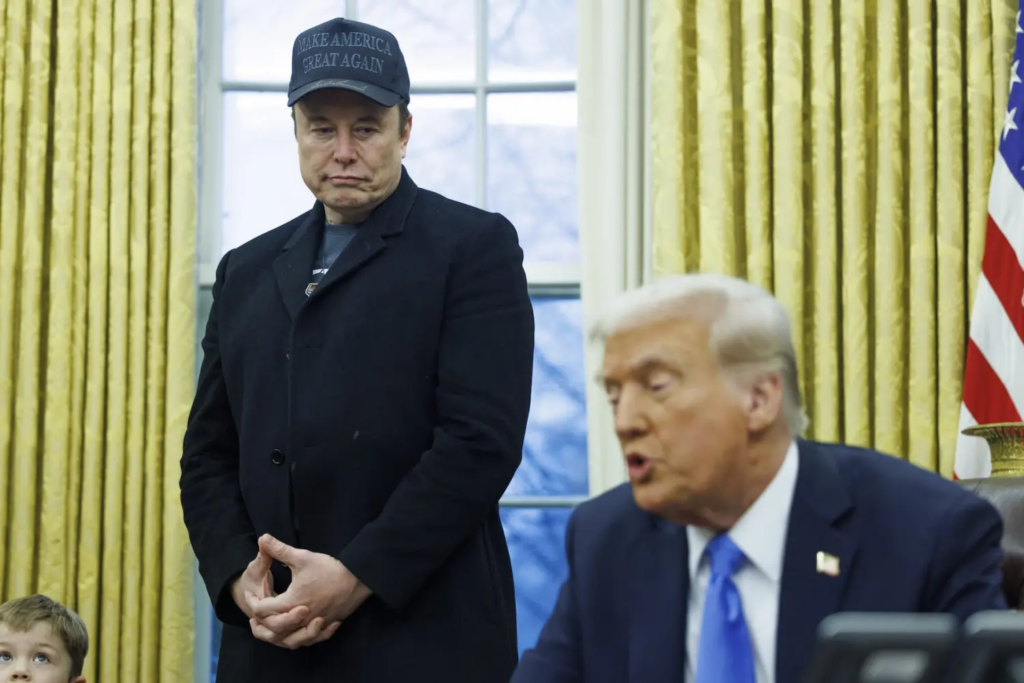
In early 2025, DOGE’s directive for federal agencies to reduce staff saw mixed results. Many agencies, which had initially been ordered to lay off employees, began rehiring workers as the fiscal year ended in September. However, the Office of Management and Budget (OMB) continued to push for more layoffs, even amidst the longest-ever federal shutdown in October.
By the close of 2025, the federal government is expected to see a reduction of approximately 317,000 employees. Key agencies, such as the U.S. Agency for International Development, the Corporation for Public Broadcasting, and parts of the Education Department, have been effectively dismantled or severely cut back.
Despite these significant workforce reductions and the administration’s efforts to cut back on contracts and lease agreements, the federal government continues to spend more than it collects in revenue.
Targeting “Democratic Priorities”
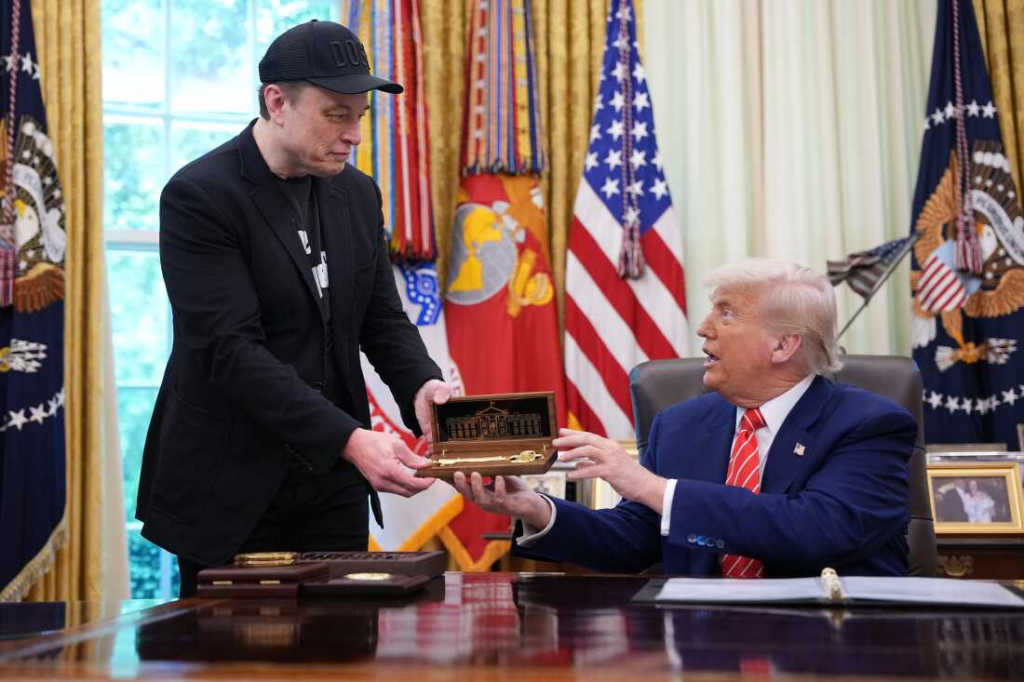
Russ Vought, the director of the OMB, has been a driving force behind the initiative to shrink the federal government’s reach. Vought has long advocated for a leaner government and pushed for mass layoffs during the government shutdown, which were blocked by court rulings.
During the shutdown, the Trump administration also sought to slash funding for programs aligned with Democratic priorities, including transportation and energy grants. The administration’s strategy is clear: funnel money into areas that align with Trump’s policy goals while cutting funding to those that do not.
Increasing Focus on Sensitive Data and Immigration Enforcement
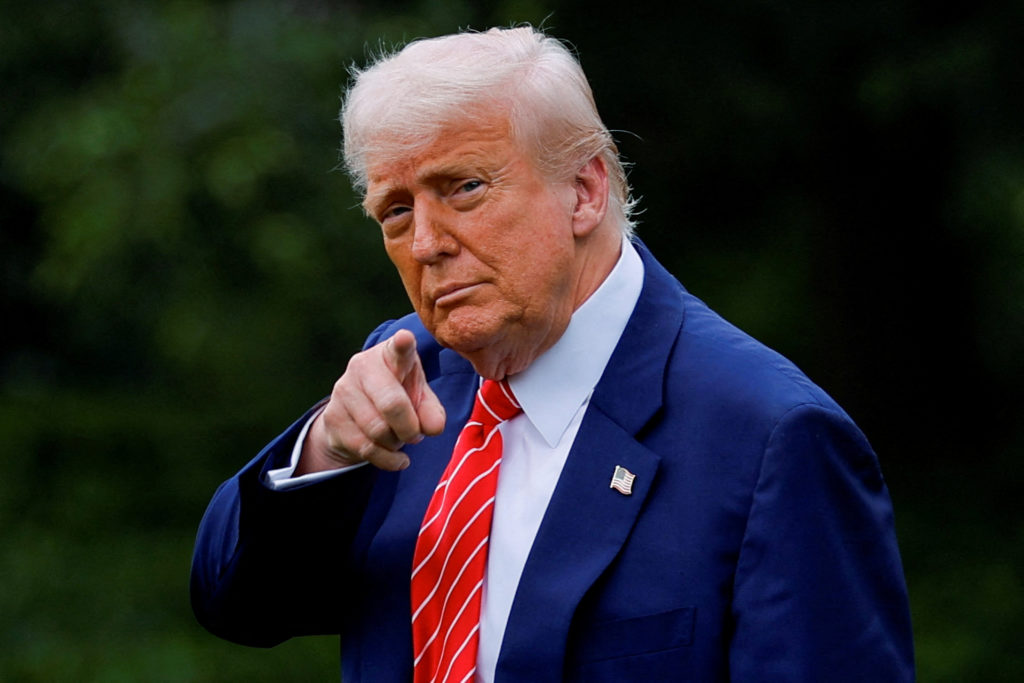
Despite facing legal challenges, DOGE’s push to centralize sensitive personal data across government agencies remains intact. These efforts have supported the administration’s immigration policies, such as the overhaul of federal citizenship verification systems and the collection of state-level data on federal food assistance recipients. However, some of these measures have led to misidentification of U.S. citizens, as previously reported by NPR.
Ongoing Restructuring of Federal Government
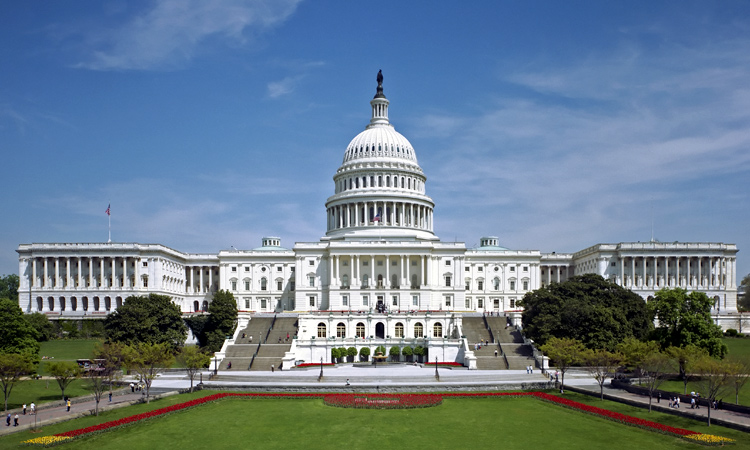
Although DOGE has not been in the spotlight since Musk’s departure, the administration’s restructuring agenda continues. Many of Musk’s former allies and DOGE staff have transitioned into permanent positions within federal agencies, continuing the work they began under his leadership.
In August 2025, President Trump signed an executive order to establish the National Design Studio, a new initiative aimed at improving the federal government’s digital infrastructure. The studio’s work includes the creation of the “Trump Accounts” — a tax-advantaged investment vehicle for children — and other projects like the Energy Department’s “Genesis Mission” and the U.S. Tech Force, a program to recruit top engineers to develop cutting-edge government technology.
Federal Spending Still on the Rise
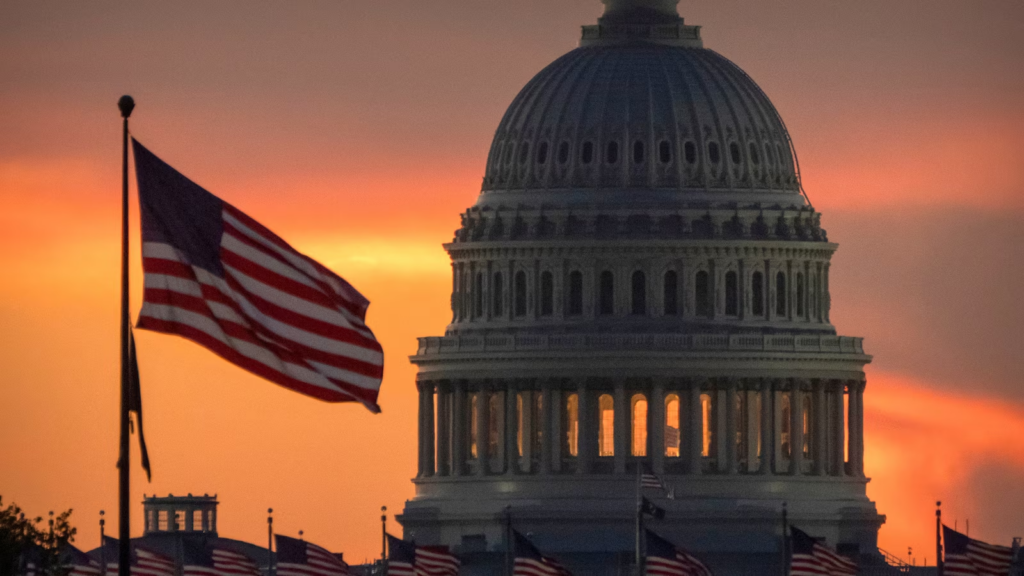
One of the primary reasons DOGE was created was to tackle the growing national debt, which surged by more than $2.2 trillion from October 2024 to September 2025, surpassing $38 trillion. Projections indicate that the national debt will increase by another $3 trillion over the next decade, partly due to the “One Big Beautiful Bill Act” signed earlier in the year, which includes tax cuts and additional spending on Trump’s priorities.
A White House spokesperson, Davis Ingle, reiterated the administration’s commitment to reducing wasteful government spending, though the administration has not directly addressed concerns about the national deficit or increasing national debt.
As of November 2025, the government has spent nearly half a trillion dollars more than it has earned in revenue, a trend that mirrors last year’s spending patterns. The majority of this spending — approximately 65% — is directed towards popular entitlement programs like Social Security, Medicare, and veterans’ services. Meanwhile, a smaller percentage is allocated to defense spending, and a portion goes towards servicing the national debt.
Despite DOGE’s efforts to curb wasteful spending, the broader government programs, particularly those benefiting senior citizens and veterans, remain largely untouched, as altering these would require significant Congressional intervention.