RM Trump’s Executive Order Targets Proxy Advisory Firms ISS and Glass Lewis, Giving Musk a Win Over Critics

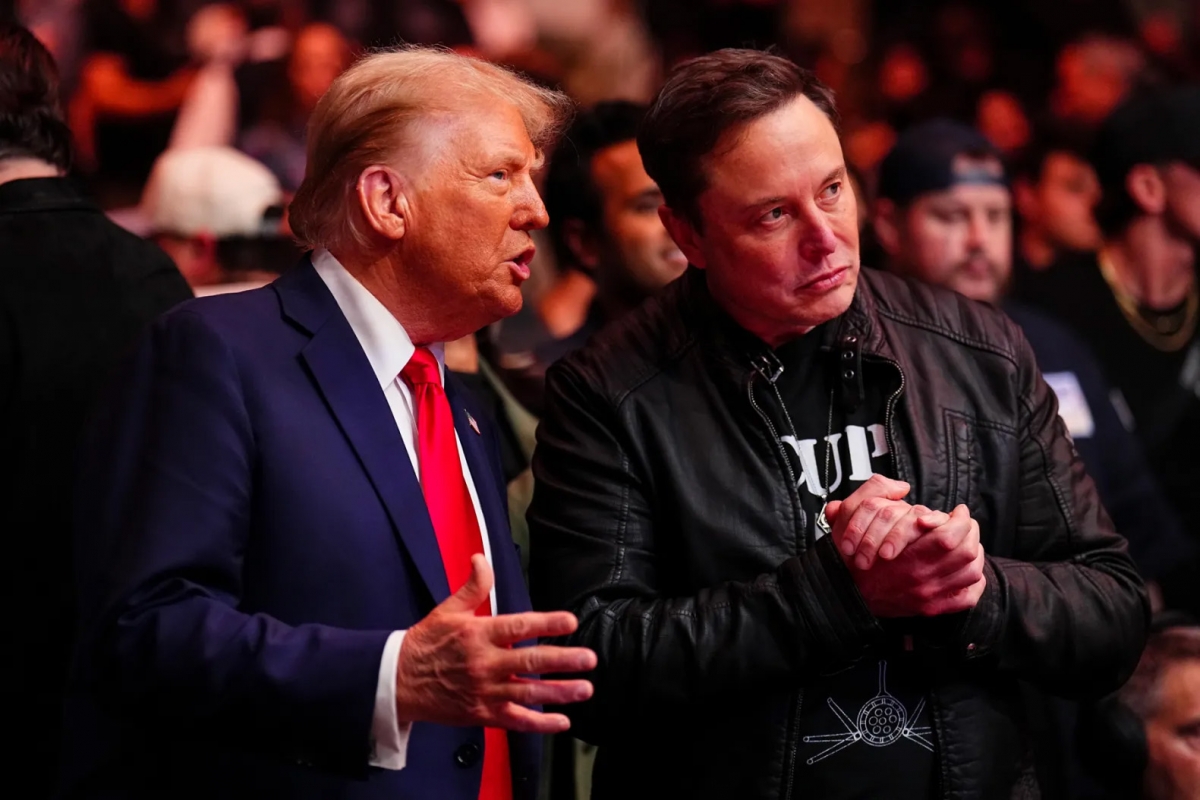
On Thursday, President Donald Trump issued an executive order calling for a review of two major proxy advisory firms, which have long been a point of contention for Tesla CEO Elon Musk and other corporate leaders. The order focuses on Institutional Shareholder Services (ISS) and Glass Lewis, two of the most influential players in the field.
Proxy advisory firms like ISS and Glass Lewis provide recommendations to institutional investors, such as pension funds, on how to vote during corporate shareholder meetings. These recommendations, which influence decisions on matters such as executive compensation and mergers, sometimes create friction with other shareholders or even the companies themselves.
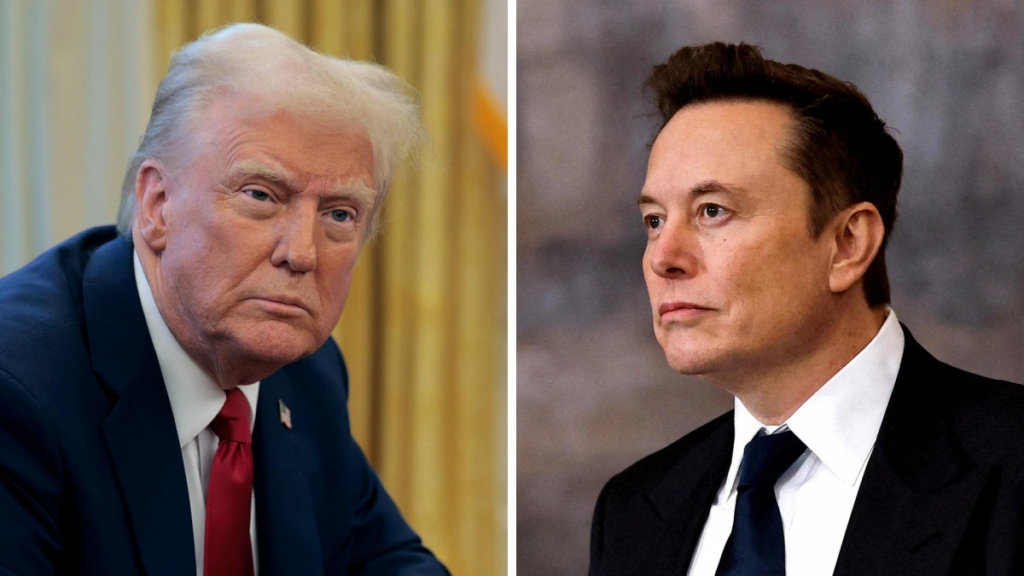
Trump’s order instructs the Securities and Exchange Commission (SEC) to scrutinize these firms, with a particular emphasis on how they incorporate diversity, equity, and inclusion (DEI) and environmental, social, and governance (ESG) policies into their advice. While no immediate changes are expected, the move signals potential regulatory scrutiny, which could indirectly alter the practices of these advisory firms. This influence could lead to increased transparency or shifts in how proxy firms make their recommendations to avoid regulatory conflicts.
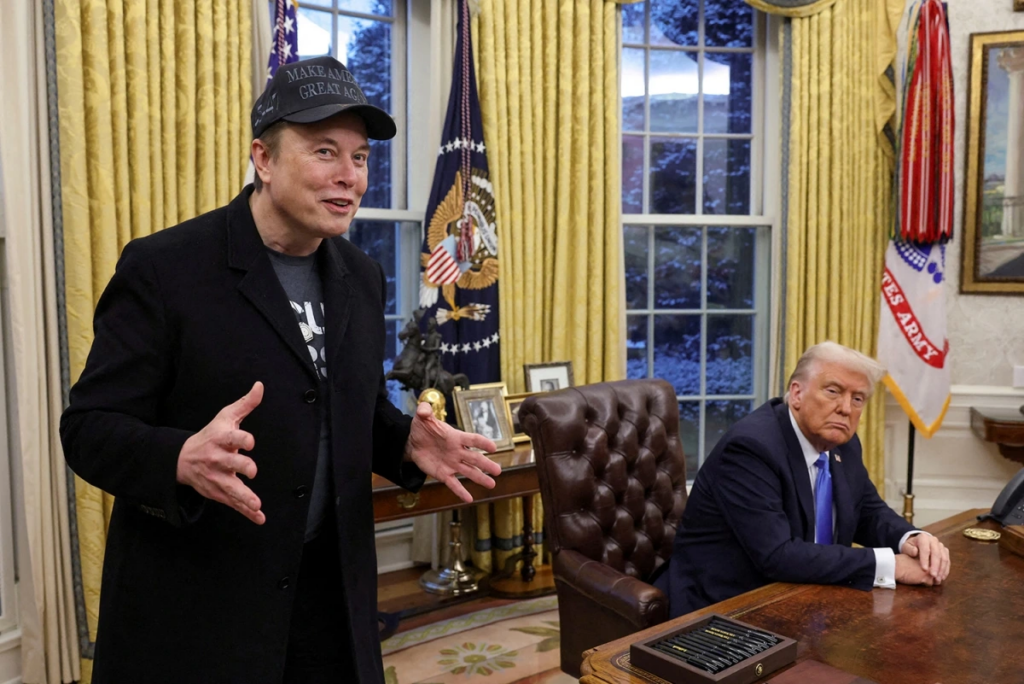
This executive order is seen as a victory for Elon Musk, who has long criticized the role that ISS and Glass Lewis play in advising shareholders. These firms have, in the past, recommended votes against certain corporate decisions at Tesla, such as approving Musk’s significant pay package. Some prominent figures in corporate America, including JPMorgan Chase CEO Jamie Dimon, have also voiced concerns about the growing influence of proxy advisory firms, with Dimon even calling them “incompetent.”
Why Is Trump Targeting ISS and Glass Lewis?
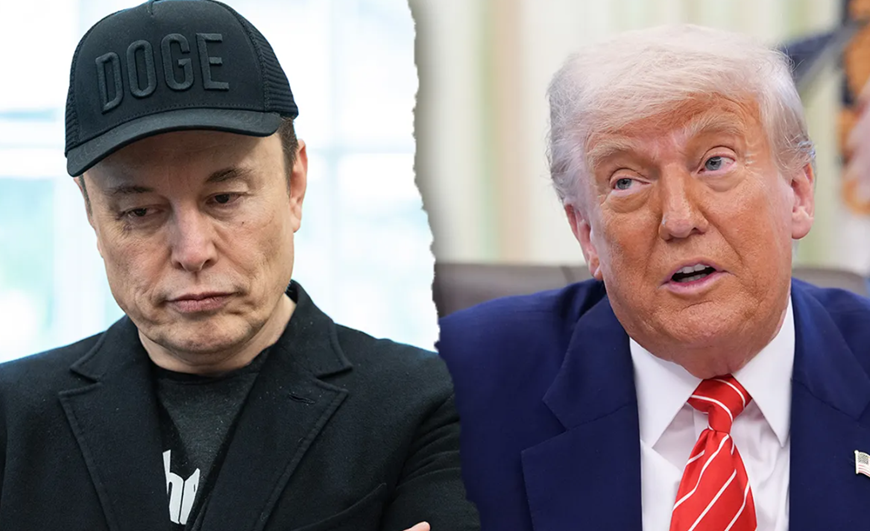
The executive order criticizes ISS and Glass Lewis for using their considerable power to push political agendas, including prioritizing DEI and ESG initiatives. These firms have increasingly integrated ESG factors into their research, a practice that has faced opposition from many conservative leaders.
Over the past few years, Corporate America has seen a shift away from DEI and ESG policies, partially driven by pressure from the Trump administration. Trump and many of his Republican allies have argued that these socially and politically driven agendas are counterproductive to shareholder financial interests and go against traditional economic principles.
Kerry Berchem, a corporate governance expert, explained that while the order may not lead to immediate changes in how proxy advisory firms operate, it sends a clear signal that these firms will face increased scrutiny. This will likely influence their practices, particularly in areas where they may feel the need to adjust their recommendations to avoid running afoul of regulators.
What Do ISS and Glass Lewis Do?
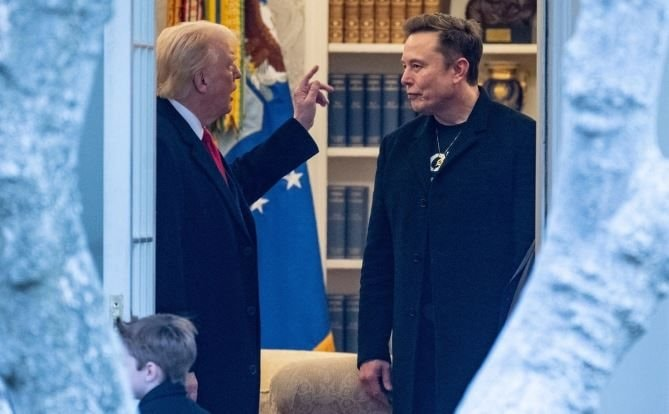
Founded in 1985 and 2003, respectively, ISS and Glass Lewis advise major institutional investors such as BlackRock and pension funds, who often manage billions or even trillions of dollars. Because these investors are typically involved in such a large number of companies, they rely heavily on proxy advisory firms to guide their votes during shareholder meetings, which cover key issues like executive compensation, board elections, environmental policies, and mergers and acquisitions.
Critics like Dimon have raised concerns about the influence these firms have over corporate governance, especially when these firms are based overseas. Dimon, in his 2023 annual letter to shareholders, questioned whether corporate governance in the U.S. should be determined by for-profit international entities with their own biases about what constitutes good governance.
In response to the executive order, both ISS and Glass Lewis have expressed their intention to review the order and its implications. ISS reiterated its commitment to acting ethically and in the best interests of its clients, while Glass Lewis emphasized its dedication to maintaining high ethical standards.
The Growing Influence of Proxy Advisory Firms
The increasing power of proxy advisory firms has not gone unnoticed in Washington or across corporate boardrooms. Legal experts suggest that Trump’s executive order is just one in a series of moves aimed at curbing the influence of ISS and Glass Lewis. This follows similar efforts by other states and groups to challenge the firms’ dominance in the market.
Additionally, both ISS and Glass Lewis are facing antitrust scrutiny, with Florida’s Attorney General, James Uthmeier, suing the firms over alleged violations of state antitrust laws. Trump’s order further directs the Federal Trade Commission (FTC) to investigate whether these firms’ practices violate antitrust regulations.
Despite the executive order’s symbolic significance, legal experts like Lawrence Elbaum caution that it may be too early to determine its long-term impact. He notes that the ultimate effects will depend on how the relevant government agencies proceed with their reviews and investigations. For now, the executive order represents an early victory for Musk and Dimon, but its final implications remain to be seen.