
At first glance, asking what would happen if Elon Musk suddenly fell ill may sound speculative or even dramatic. Yet this question reveals a deeper reality of the modern global economy: the extraordinary influence that a single individual can exert over multiple critical industries. Elon Musk is not merely a CEO or entrepreneur; he is a symbol of technological ambition, shaping electric vehicles, space exploration, artificial intelligence, and future energy systems. If Musk were no longer able to lead, the economic consequences would extend far beyond his personal companies, affecting the United States and the world at large.
The negative impacts would likely be felt almost immediately. Companies such as Tesla, SpaceX, Neuralink, and xAI are deeply intertwined with Musk’s vision and leadership style. Investor confidence—particularly in Tesla—relies heavily on belief in Musk himself. His sudden absence could trigger stock market volatility, wiping out billions in market value and shaking confidence in the U.S. tech sector. SpaceX, a key partner of NASA and a backbone of global satellite infrastructure through Starlink, could face operational delays, disrupting communications, defense, and international space projects.
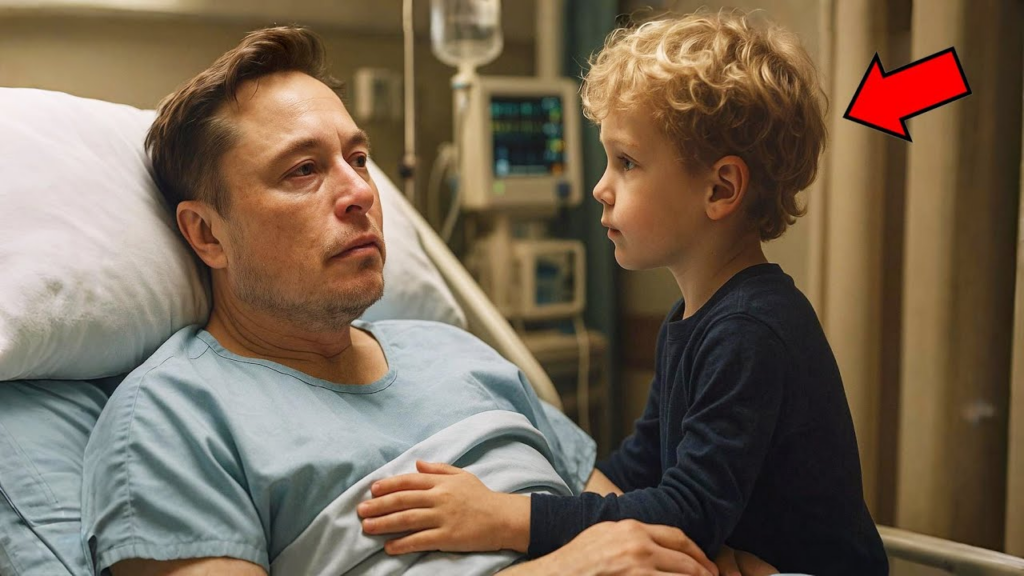
From a broader economic perspective, thousands of jobs directly and indirectly connected to Musk-led companies could be at risk. Suppliers, engineers, researchers, and entire innovation ecosystems depend on the momentum he drives. A slowdown in these sectors would weaken America’s technological leadership at a time when global competition—especially from China and Europe—is intensifying.
One of the most significant concerns would be the future of artificial intelligence. Elon Musk has been both a vocal critic of uncontrolled AI development and an active builder of alternative AI systems. If he were no longer involved, AI progress might not stop, but it could become more narrowly profit-driven. The absence of a strong counterbalance advocating for AI safety, regulation, and long-term human interests could accelerate risks associated with unchecked development. In this sense, AI innovation might advance faster in some areas but regress ethically and strategically.
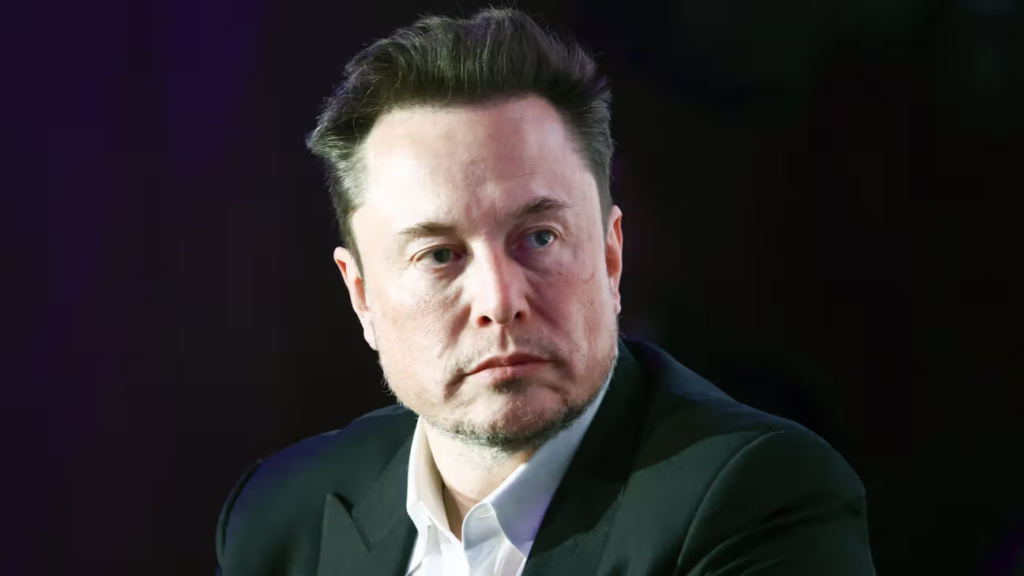
However, there are also potential positive outcomes to consider. Musk’s absence could force his companies—and the U.S. economy more broadly—to mature beyond dependence on a single charismatic leader. Corporate governance might become more stable, decentralized, and resilient. Markets could eventually benefit from reduced volatility caused by Musk’s unpredictable decisions and public statements.
Additionally, a power vacuum often creates opportunity. Other entrepreneurs, startups, and research institutions could step forward, diversifying innovation across more players rather than concentrating it in one individual. In AI specifically, a temporary slowdown might allow governments and international organizations to establish clearer regulations, safety standards, and ethical frameworks—something the field urgently needs.
In conclusion, if Elon Musk were to fall seriously ill and step away