Is Donald Trump okay?
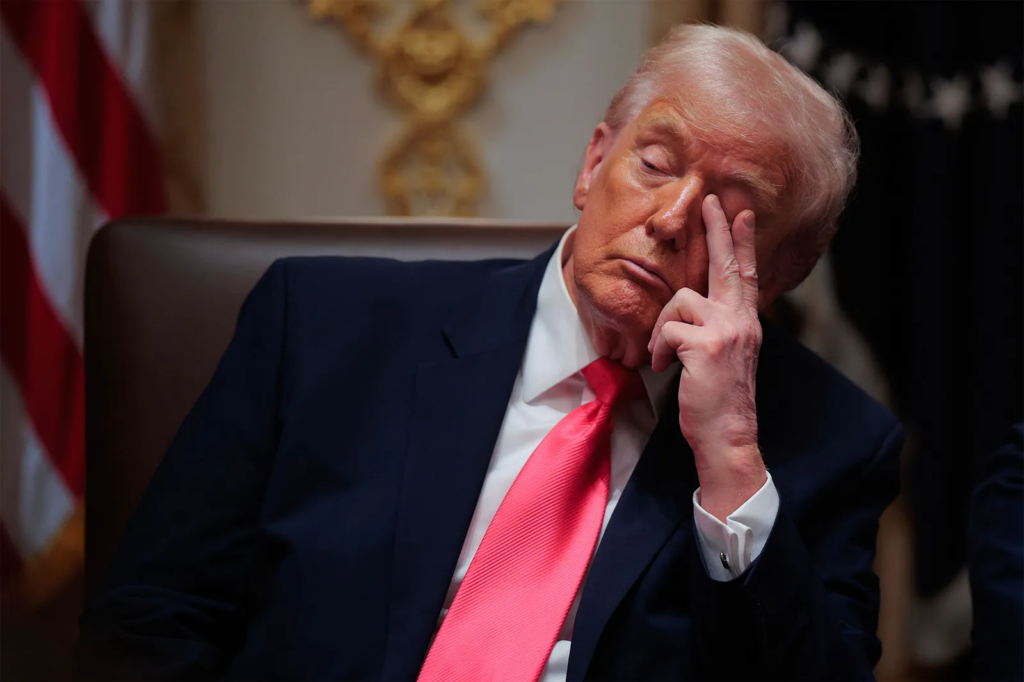
Lately, there have been growing concerns about Donald Trump’s health. He seems visibly more fatigued than before, with his signature orange-tinted skin appearing somewhat sallow and thicker than in the past. In recent public appearances, he’s been seen nodding off in meetings and press conferences, including some in the Oval Office. His public schedule has also become notably lighter: he spends more time at his golf clubs, rarely travels around the country as he did in his first term, and seldom holds the large rallies that once defined his political style. Trump now tends to sit more frequently during events, even when others are standing, and he’s shortened his workday—often not starting official duties before noon. According to a report by The New York Times, his public engagements have dropped by nearly 40% compared to his first year in office. He has sometimes disappeared from the public eye for days at a time, with little explanation, and the administration has provided inconsistent and vague details regarding his health.

There have also been odd physical signs. For instance, his right hand is often seen wrapped in a bandage or covered with makeup, with the White House offering a questionable explanation that he’s been bruised from shaking too many hands. In some images, his ankles appear swollen.
At 79, Trump is the oldest person to ever assume the presidency. He took office after repeatedly criticizing Joe Biden’s age, pointing to his stiff, disoriented public appearances to raise questions about Biden’s ability to serve. In the 2024 election, Trump made Biden’s age a key issue, painting it as a symbol of the Democratic party’s decline. After his own inauguration in 2025, Trump even displayed a picture of an autopen—a symbol used by his supporters to mock Biden’s frailty—where Biden’s portrait would have been displayed in the “presidential walk of fame” Trump installed. This was meant to highlight Biden’s supposed incapacity, portraying him as little more than a virtual figurehead.
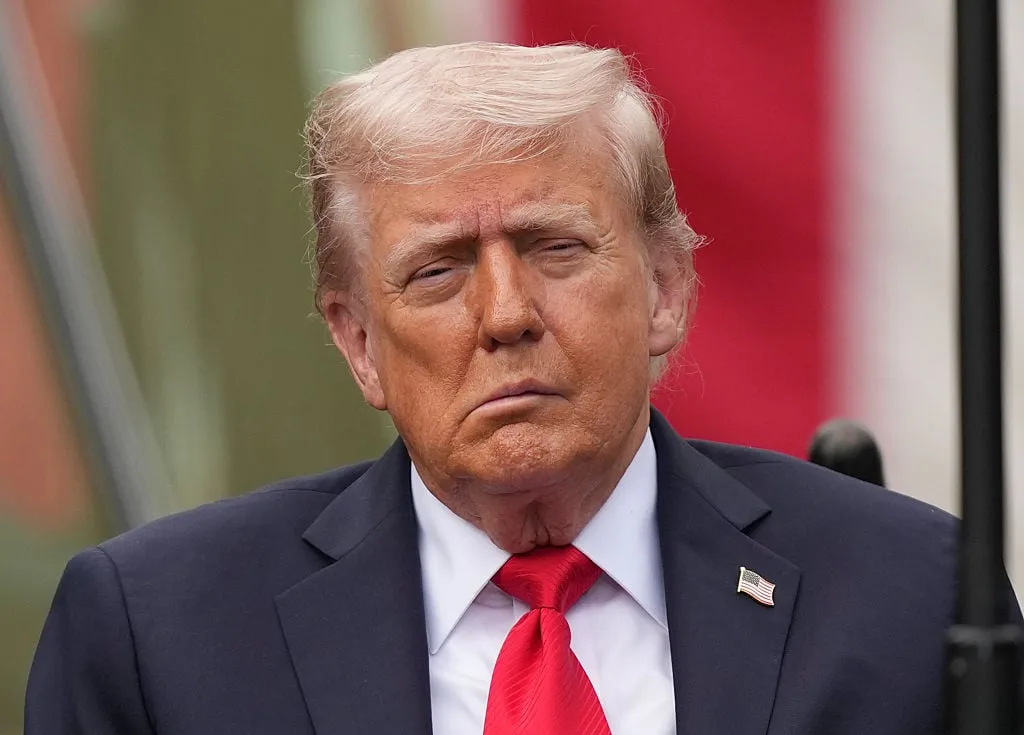
But now, questions about Trump’s own health and fitness for office are surfacing. In October, Trump revealed that he had undergone an MRI but offered few details about the procedure, claiming he didn’t know what the doctors were specifically looking for. He did, however, insist that the results were excellent: “Whatever they analyzed, they analyzed it well, and they said I had as good a result as they’ve ever seen.” Trump’s physician later clarified that the MRI was used to scan his heart and abdomen, labeling it as a “preventative” measure. However, experts noted that MRIs are not typically used for routine preventative screenings, suggesting that such scans are usually done to monitor existing conditions.
Trump also mentioned that he took a cognitive test and “aced it.”
While there’s no clear evidence of any specific health issue at this point, the speculation about his physical decline is impossible to ignore. At 79, Trump is not only facing the realities of aging but also the realization that his time in power—whether as president or as the dominant figure in the Republican Party—is nearing an end.
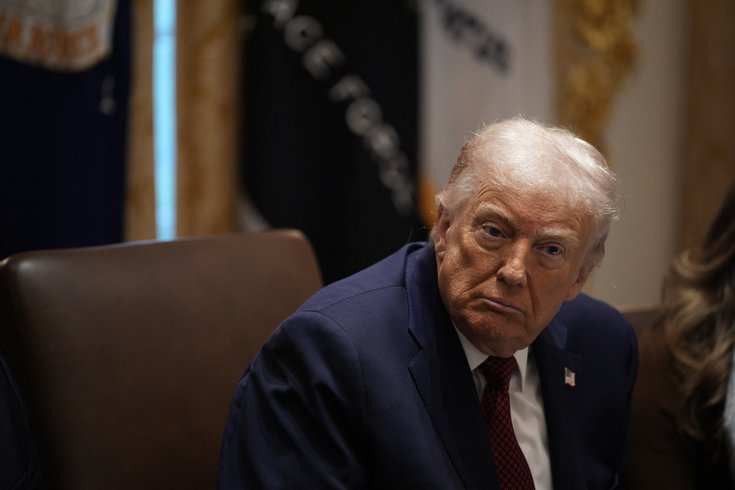
Some of this speculation about Trump’s health may be amplified by his declining public support. Polling has shown a significant drop in his approval ratings across the country, and he’s now underwater with most demographic groups. The bold first months of his second term, in which he made sweeping changes to federal agencies and used executive power to reshape cultural institutions, have given way to a more subdued period. Trump’s diminished influence is evident as it becomes clear that much of his support base is more fragile than it initially appeared. Public pushback against his policies has intensified as his popularity plummets, making him seem less invincible than before.
If Trump seems physically weaker, it might be due, in part, to his increasingly diminished political strength. The shifting tide of public opinion has quieted his once-ambitious efforts to secure a third term, an unconstitutional move that would have been politically unfeasible at this point. With much of the Republican establishment unwilling to risk backing him on such a dangerous legal and constitutional path, it seems less likely that Trump will attempt it.
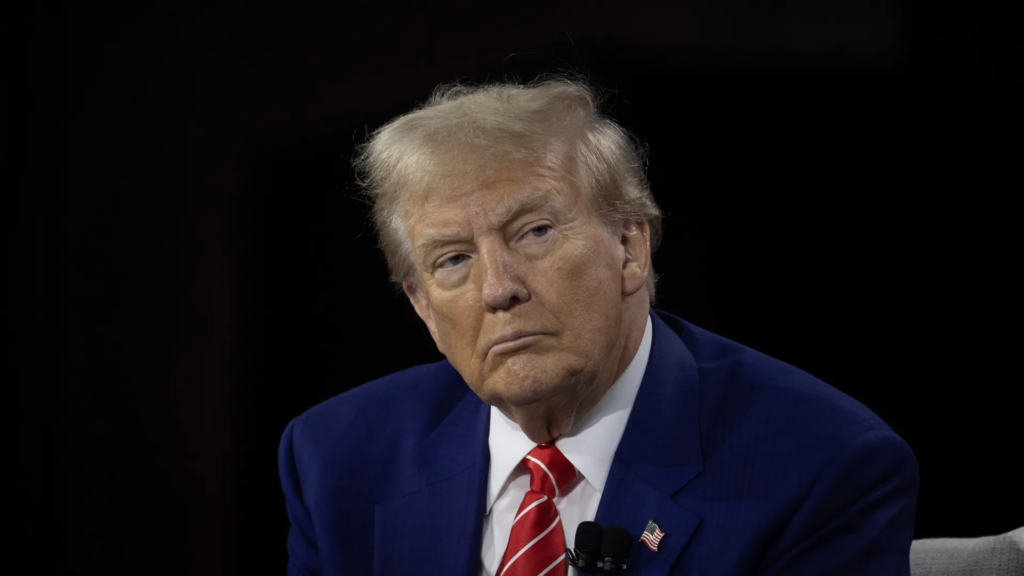
The reality is that U.S. democracy—whatever remains of it—remains vulnerable. But Trump’s apparent physical decline, coupled with his waning political power, is changing the dynamics. Even he seems to be reflecting more on the inevitable end of his political career. Recently, Trump has been more open about thoughts of mortality, remarking in October, “I think I’m not maybe heaven-bound. I’m not sure if I’m going to be able to make heaven.”
As he ages, the questions surrounding his health, both physical and cognitive, seem to be transforming from mere political gossip to a genuine consideration of his ability to continue leading the country.