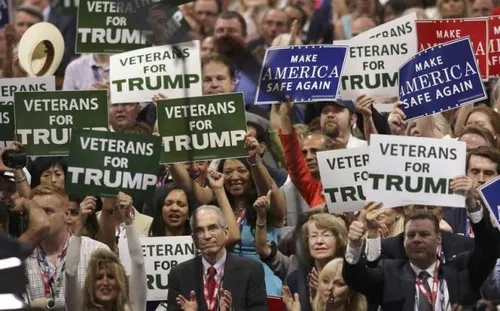
Just a year ago, Donald Trump seemed to believe he had secured a massive victory, boasting that the American people had delivered him a historic landslide.
He claimed, “America has given us an unprecedented and powerful mandate” shortly after Election Day in November. In his inauguration speech, he declared that his win demonstrated how “the entire nation is rapidly unifying behind our agenda.”
At the time, Trump’s assertions were clearly overstated. A year later, they have become nearly impossible to align with his current reality.
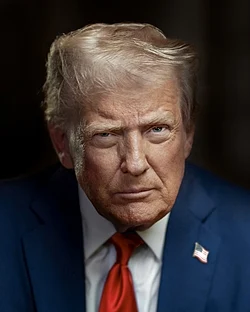
It’s clear that Trump’s support is weaker than ever.
While much attention has been paid to his declining approval ratings overall, a more telling indicator of his political power is the percentage of Americans who strongly approve of him. After all, Trump’s political strength has largely been based on his control over the Republican base, which helps him maintain dominance within the party.
Recent polling has shown this “strong approval” figure plummeting to around 1 in 5 Americans—a new low for his second term. Many of these polls even show it nearing the lowest numbers from his first term.
For example, the latest NBC News-SurveyMonkey poll, conducted over the weekend, revealed a drop from 26% approval in April to just 21%. The poll also showed a decrease in MAGA Republicans who strongly approve of Trump, falling from 78% to 70%.
This trend isn’t isolated. Other recent polls back up these findings:
- An AP-NORC poll this month showed strong approval at 18%, a historically low number for the survey (the only lower readings were in 2017, with 15% in December and 16% in June).
- A Reuters-Ipsos poll also found Trump’s strong approval at 19%, down from 29% earlier this year.
- A Fox News poll showed 22% strongly approved of him, his lowest rating in either of his terms, dropping from 25%.
- Marquette University Law School‘s poll showed 21% in strong approval, marking the lowest point of his second term.
Interestingly, a Marist University poll conducted for NPR and PBS News last month found slightly higher support, with 26% strongly approving of Trump. While this was a bit higher than most of his first-term numbers, it still represented a new low for his second term, and was similar to his approval rating after the January 6 Capitol riot, when his support reached its lowest levels.

This “strong approval” number is crucial to monitor moving forward.
Though Trump has often faced polling challenges, he has traditionally remained politically strong due to the loyalty and size of his base. This solid backing has largely prevented Republicans from challenging or criticizing him.
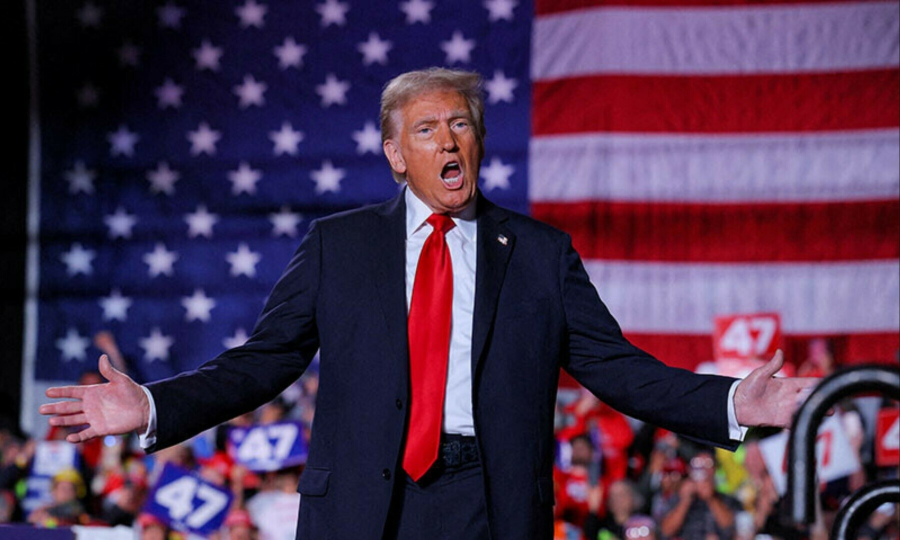
But now, with his base shrinking, Republicans seem to be increasingly willing to distance themselves from him. We’re starting to see more instances of GOP members challenging Trump, such as House Republicans who forced the release of the Jeffrey Epstein files, Rep. Marjorie Taylor Greene of Georgia, and the recent vote in the Indiana Senate, where many Republicans refused Trump’s pressure to redraw their congressional map.
Trump’s dwindling support among just 1 in 5 Americans doesn’t immediately translate into a wave of Republican defections, but it does suggest that his once-unshakable base is smaller and less loyal than ever before.
In short, his mandate is looking more fragile than ever.