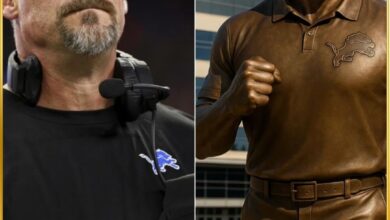
Son.As a child, he became one of the most recognizable faces in Shriners’ Children’s Hospital campaigns—not to beg for pity, but to show solidarity. Families facing the same diagnosis saw someone who didn’t shy away from the camera.

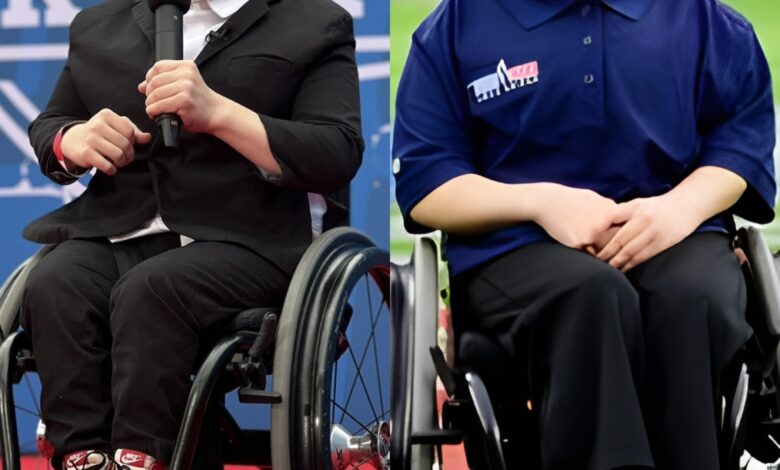
Doctors once warned that even a simple touch could break him.
For Alec Cabacungan, childhood did not begin with playground races or scraped knees, but with hospital corridors, surgical lights, and the constant calculation of how much movement his body could safely endure.
Before most children even learn to ride a bicycle, Alec had already experienced fractures that doctors said many adults would struggle to survive emotionally.
More than sixty broken bones before adulthood became part of his medical history, turning pain into something ordinary rather than exceptional.
To understand the intensity of that reality, imagine living in a body where something as routine as rolling over in bed or shifting weight in a chair could potentially cause a fracture.
For Alec, this was not a dramatic metaphor; it was simply daily life shaped by osteogenesis imperfecta, commonly known as brittle bone disease.
The condition weakens bones so severely that minor pressure can result in breaks, leaving patients in cycles of injury, recovery, and uncertainty that most people only witness during extreme accidents.
Yet the physical danger was only one part of the story.
The deeper challenge, according to families who share the same diagnosis, is the emotional weight that comes from growing up constantly aware of your own fragility.
It is the quiet fear that accompanies every movement and every moment of independence.
But somewhere inside that fragile body, Alec carried a determination that doctors, teachers, and even his own family admit they did not fully understand at first.
Because instead of shrinking from the spotlight, he eventually stepped directly into it.
Millions of Americans first encountered Alec not in a classroom or a sports stadium, but on television screens across the country through campaigns supporting Shriners Hospitals for Children.
In those ads, his presence felt different from what viewers expected from medical fundraising stories.
He did not appear as a symbol of pity.
He appeared as someone inviting the audience into a shared human experience.

That subtle difference would eventually transform him into one of the most recognizable patient ambassadors in nonprofit healthcare campaigns across the United States.
But recognition came with questions that still spark debate today.
Some critics argue that putting children with serious medical conditions in fundraising campaigns risks turning their struggles into emotional marketing.
Supporters counter that these stories give families facing rare diseases visibility, representation, and hope they might otherwise never receive.
Alec himself has rarely framed the conversation in those terms.
Instead, he has consistently described the experience as a chance to speak directly to other children who felt isolated by their diagnoses.
For families living with brittle bone disease, that visibility can change something subtle but powerful.
It replaces the terrifying sense of being alone with the possibility that someone else has already walked the same path.
Parents across the country began writing letters, sending messages, and even approaching Alec at events with tears in their eyes.
They said their children recognized themselves in his story.
One message repeated itself so often that it became almost a theme of Alec’s public journey.
“Because of you, my child believes anything is possible.”
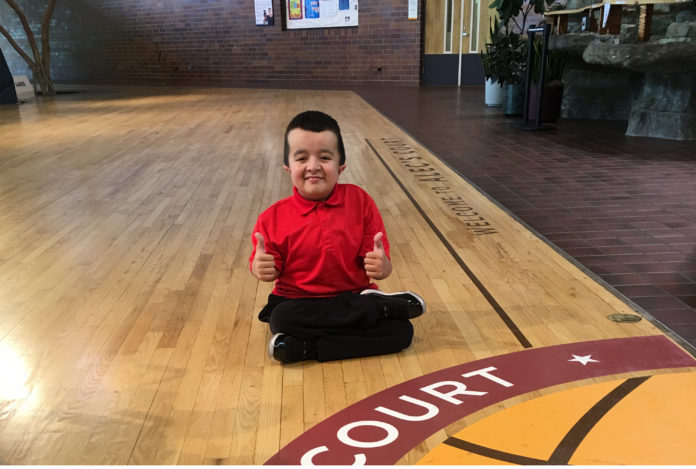
Statements like that sound inspirational, but they also carry enormous pressure.
When a young person becomes a symbol of resilience, the world sometimes expects them to be permanently strong, permanently optimistic, permanently inspiring.
Yet the reality of living with osteogenesis imperfecta is not inspirational every day.
It involves pain management, medical planning, and the constant awareness that the next fracture could happen without warning.
This tension between inspiration and reality is part of why Alec’s story generates such intense conversation online today.
People are drawn not only to what he has overcome, but to the question of what resilience actually means in a life shaped by chronic medical risk.
By the time Alec reached high school, it had already become clear that his ambitions were stretching far beyond hospital rooms and awareness campaigns.
He had developed a deep fascination with sports media and broadcasting.
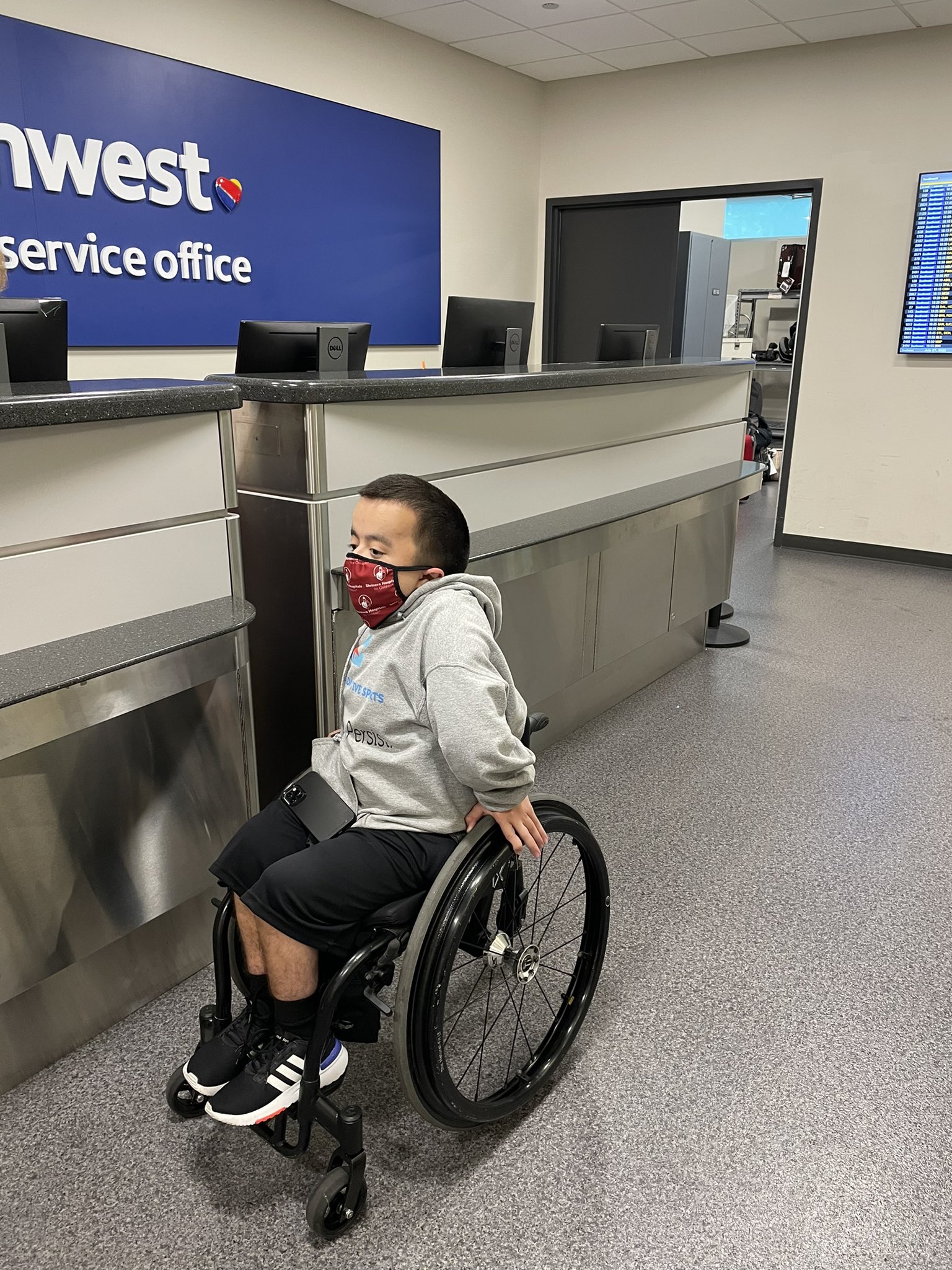
While many people associate athletics with physical performance, Alec saw something different.
He saw storytelling, analysis, and the powerful cultural role that sports journalism plays in shaping public conversation.
Friends recall that he studied sports broadcasts with almost scientific curiosity.
He listened to commentators, analyzed their pacing, and imagined himself behind the microphone describing the moments that bring fans to their feet.
For someone who had spent much of childhood in hospitals, sports became both an escape and a blueprint for the future.
Not as an athlete, but as the voice explaining the drama unfolding on the field.
That dream eventually led him to Northwestern University, one of the most respected journalism schools in the United States.
The decision itself sparked discussion among observers who questioned whether such an intense academic and professional environment would be sustainable given his medical condition.
But Alec did not frame the challenge in terms of limitations.
He framed it as preparation.
While balancing health management with academic demands, he pursued a degree in journalism and began building the foundation for a career in sports broadcasting.
Internships with major sports networks followed, bringing him closer to the world he had studied for years.
Inside media circles, colleagues often remark on something unexpected about his presence.
Despite the extraordinary story surrounding him, Alec rarely leads conversations with his medical history.
Instead, he talks about statistics, teams, athletes, and the mechanics of broadcasting.
He approaches sports journalism with the same seriousness as any other aspiring commentator.
That approach has helped shift the narrative around him in an important way.
He is not only a survivor or a symbol of resilience.
He is also a professional building a career.
Still, the emotional impact of his journey continues to ripple across social media platforms.
Clips of his interviews and speeches frequently circulate online, triggering waves of discussion about disability, ambition, and representation.
Some viewers celebrate the story as proof that determination can overcome nearly any obstacle.
Others push back against what they see as the “superhuman inspiration” narrative sometimes attached to people with disabilities.
This debate is not unique to Alec’s story.
Across disability advocacy communities, there is ongoing conversation about the difference between genuine empowerment and unrealistic expectations.
Yet even within that debate, Alec’s journey remains undeniably powerful.
Because he has never claimed to defeat pain or eliminate fear.
Instead, he speaks openly about building a life alongside those realities.
That distinction resonates with many people who live with chronic illness or long-term medical conditions.
They recognize the difference between conquering a struggle and learning how to move forward while it remains part of everyday life.
In interviews, Alec has often returned to one central idea.
Fragility does not automatically mean weakness.
A body can be fragile while a voice becomes stronger with every experience that shapes it.
And in his case, that voice is steadily moving toward a national sports audience.
Today, at twenty-two years old, Alec stands at the beginning of a career that once seemed almost impossible given the warnings doctors gave when he was a child.
Back then, the focus was on protecting his bones.
Now, the focus is on amplifying his voice.

The transformation from hospital patient to aspiring sports broadcaster has become a symbol that resonates far beyond the medical community.
It touches anyone who has ever been told their circumstances define their limits.
Yet perhaps the most surprising aspect of Alec’s journey is how quietly it continues to evolve.
He does not present himself as a finished success story.
He presents himself as someone still building a future.
And that may be why his story continues to spread so rapidly across social media.
In an era when viral content often lasts only a few hours, narratives rooted in authentic human struggle tend to travel much farther.
People share them not only because they are inspiring, but because they provoke questions about possibility.
What if the things we consider limitations are not the end of the story?
What if resilience is less about heroic moments and more about thousands of ordinary decisions to keep moving forward?
For Alec Cabacungan, those questions are not philosophical.
They are the foundation of a life that doctors once feared would be defined entirely by fragility.
Instead, the fractures became milestones in a much larger journey.
Hospital hallways once formed the backdrop of his childhood.
Now microphones and broadcast studios are slowly becoming the stage for his future.
And if his trajectory continues the way many supporters believe it will, the world may soon know Alec not only as the child who inspired millions through a hospital campaign.
But as a voice in sports media that refuses to be defined by the words “too fragile.”