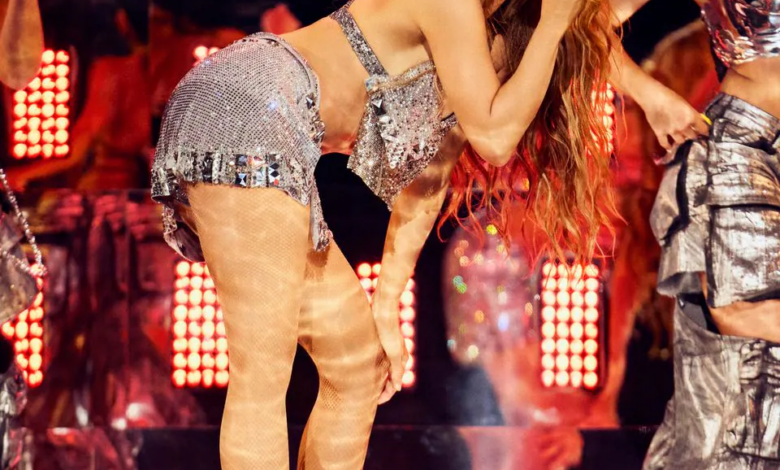
In an era where pop music often feels like a factory product—polished by algorithms, focus groups, and brand strategists—Shakira stands out like a live wire.
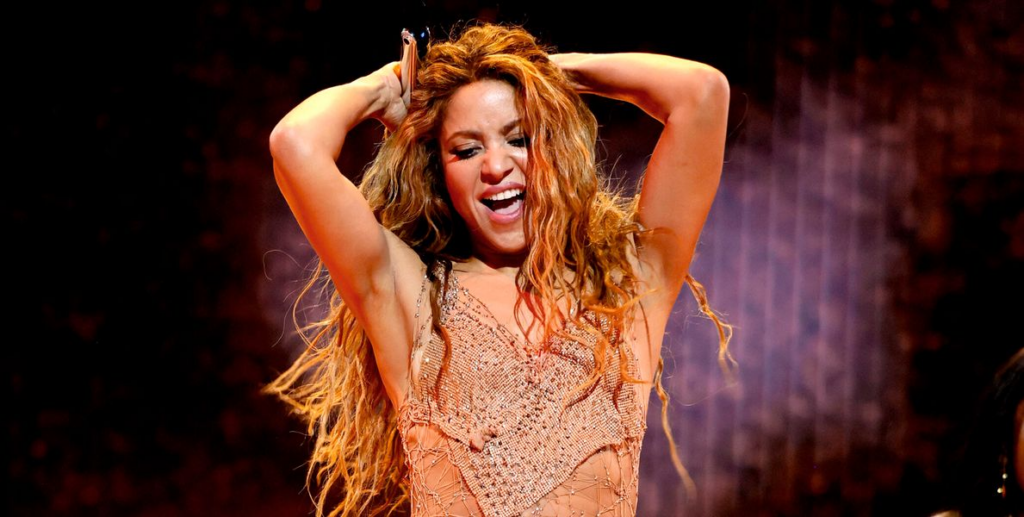
The reason her music hits differently from so much of what surrounds it isn’t the glossy production, the electrifying choreography, or any of the more obvious surface elements.
It’s the fact that you can hear in every song a person who actually wrote it, who actually meant it, and who wasn’t consulting a committee about whether the feeling being expressed was commercially appropriate for her demographic at this particular moment in her career trajectory.
That sounds like a low bar until you spend any time paying attention to how rarely it is actually cleared.
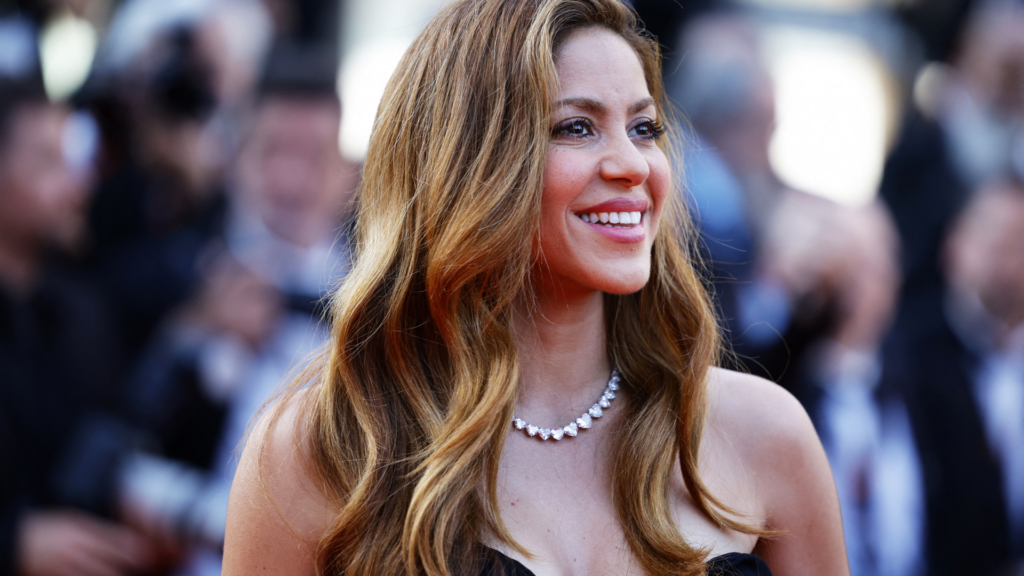
Then it starts to feel like the rarest and most valuable thing an artist can offer: the simple, radical act of being genuinely present in their own work instead of managing it from a careful and profitable distance.
Shakira’s authenticity isn’t a marketing gimmick; it’s woven into her DNA as an artist.
Born in Barranquilla, Colombia, she began writing songs at age eight, blending Spanish folk influences with rock and pop long before Latin crossover became a calculated trend.
Her breakthrough album Pies Descalzos (1995) was raw and confessional, tackling teenage angst, poverty, and unrequited love without a filter. Tracks like “Estoy Aquí” pulse with the urgency of a young woman pouring her heart out, not chasing radio play.
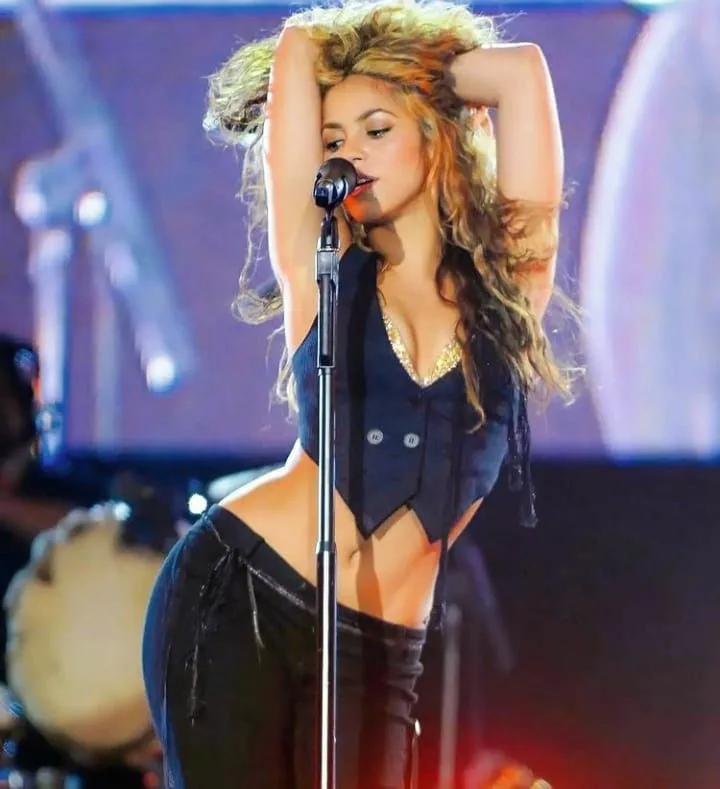
This DIY ethos carried into her global explosion with Laundry Service (2001), where “Whenever, Wherever” fused her hips-don’t-lie energy with vulnerable lyrics about fleeting romance.
She co-wrote nearly every song, infusing them with personal anecdotes that felt lived-in, not workshopped.
Contrast this with much of today’s pop landscape, where songs emerge from hit factories like songwriting camps in Stockholm or LA, churned out by teams of ghostwriters.
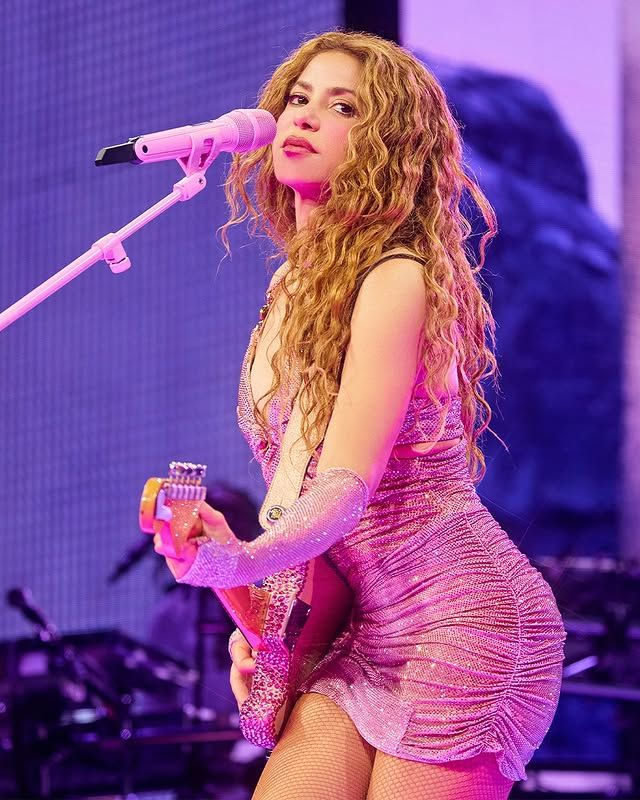
Artists like some of the biggest streaming stars deliver flawless vocals over beats engineered for TikTok virality, but the lyrics often ring hollow—generic heartbreak anthems or empowerment slogans that could apply to anyone.
Data from Billboard charts underscores the shift: in 2023, over 70% of top Hot 100 songs credited multiple writers, many unattached to the performer. It’s efficient, profitable, and safe, but it creates a sameness where emotion feels simulated, not sourced from the soul.
Shakira clears that low bar effortlessly, time and again. Her 2023 album Las Mujeres Ya No Lloran—her first in seven years—was a masterclass in presence amid personal turmoil.
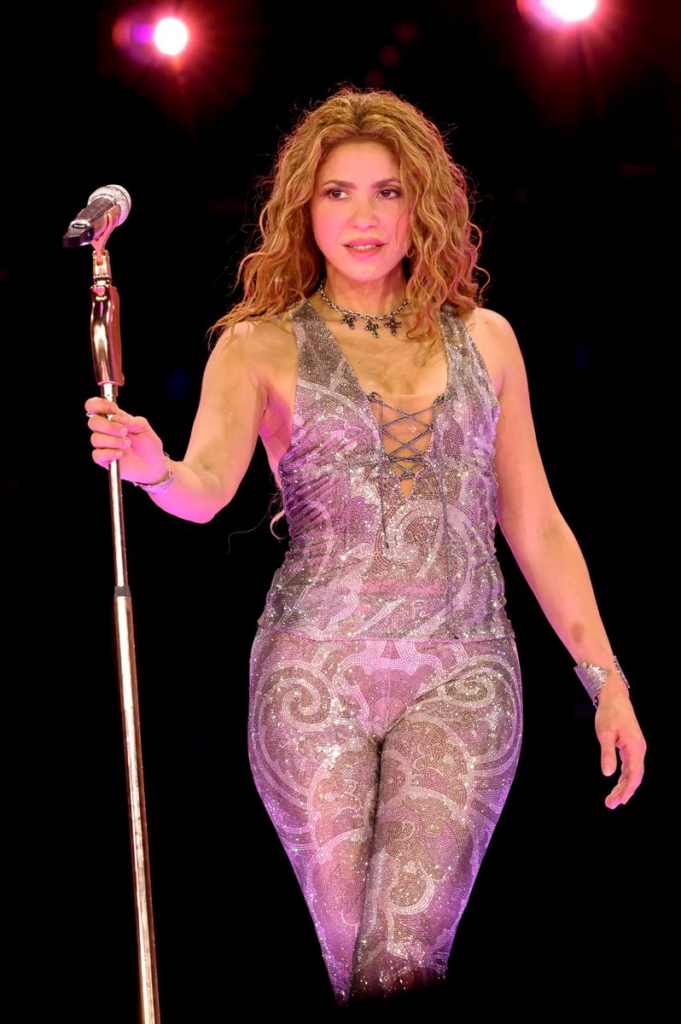
Fresh off her high-profile breakup with soccer star Gerard Piqué, she channeled raw pain into “BZRP Music Sessions #53,” a diss track that amassed over a billion streams.
Lines like “Women don’t cry anymore, they cash in” aren’t just catchy; they’re a middle finger to betrayal, delivered with Shakira’s signature growl and unapologetic Spanish flair.
She wrote or co-wrote every track, turning vulnerability into venom without pandering to English-only markets or softening edges for mass appeal.
This genuineness extends to her live performances, where she belts out decades-old hits with the same fire, often improvising based on the crowd’s energy. It’s why fans from Bogotá to Barcelona feel seen—Shakira isn’t performing a persona; she’s inhabiting it.
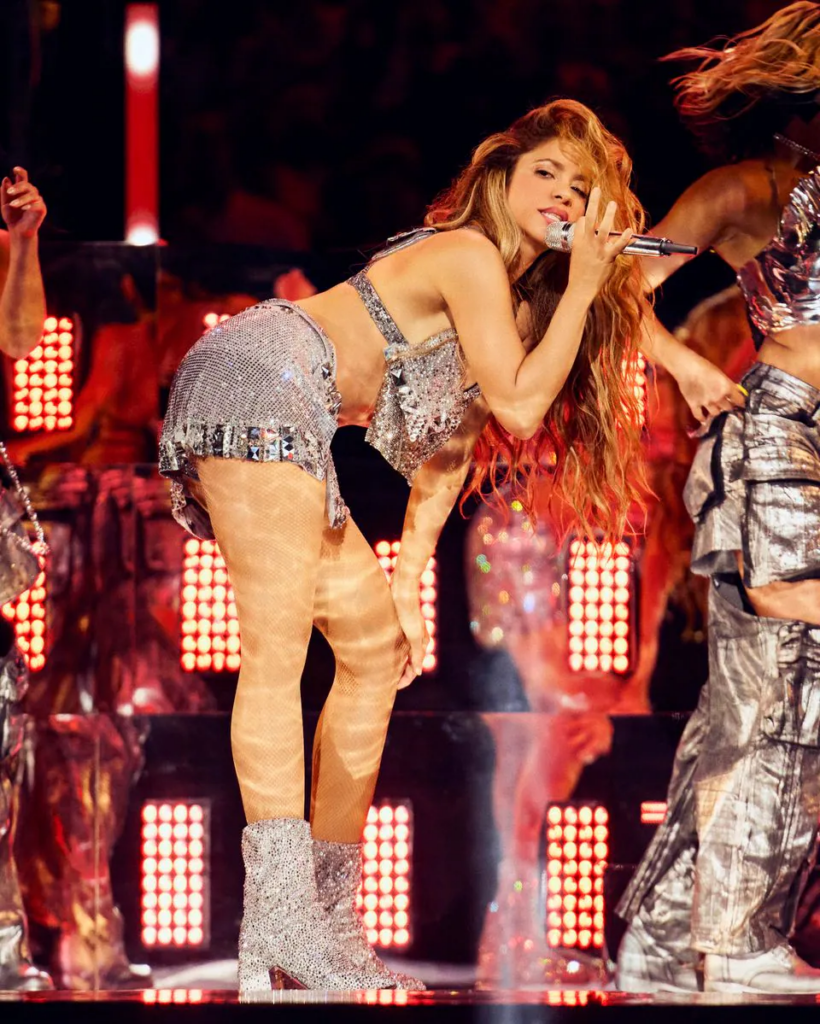
In a genre obsessed with reinvention for relevance, her refusal to outsource her voice keeps her timeless. Critics might point to her occasional missteps, like the polarizing “Clandestino” remix, but even those stem from bold, personal risks, not committee consensus.
Ultimately, Shakira’s edge lies in her refusal to distance herself from her art. While others manage careers like corporations, she dives in headfirst, consequences be damned.
In pop’s commodified chaos, that’s not just rare—it’s revolutionary. As streaming numbers climb and Grammys pile up, her lesson endures: true hits come from the gut, not the boardroom.